Last updated November 21, 2026
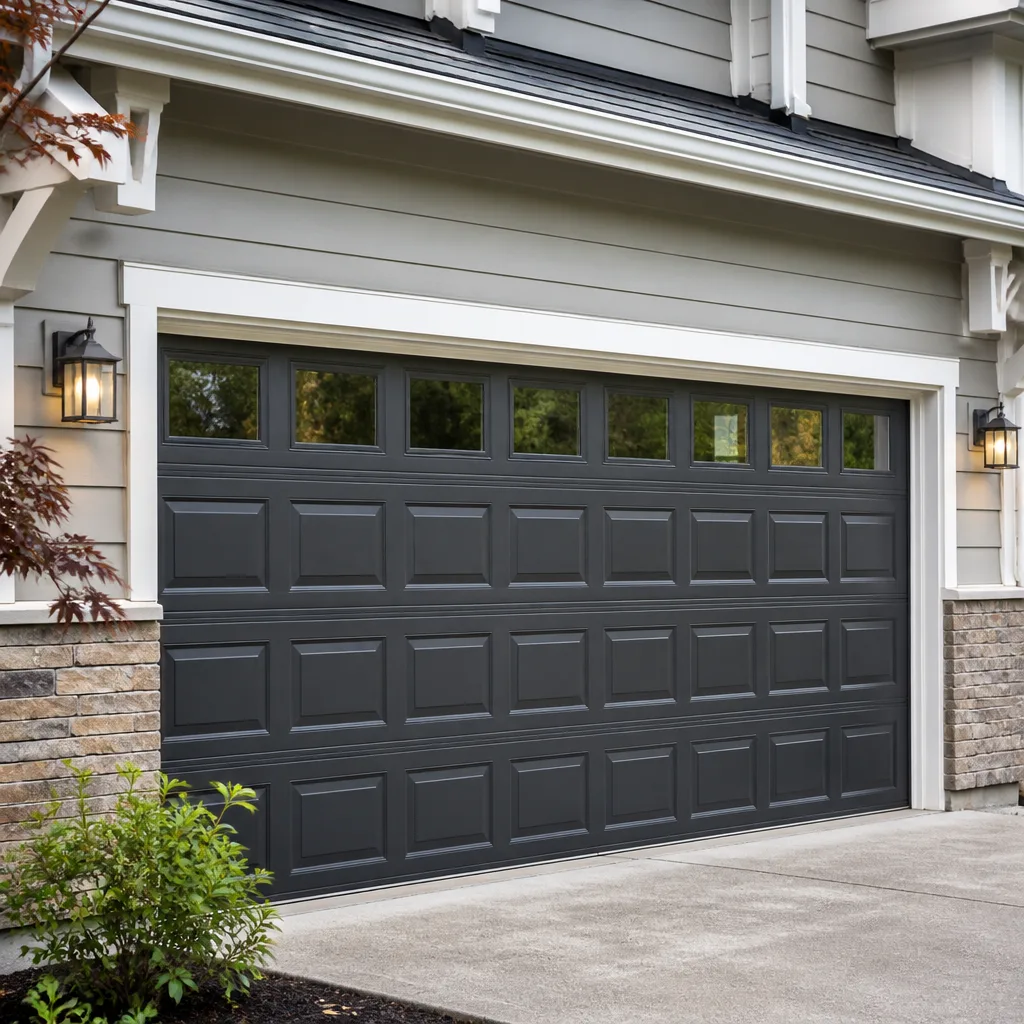 Raised-panel steel
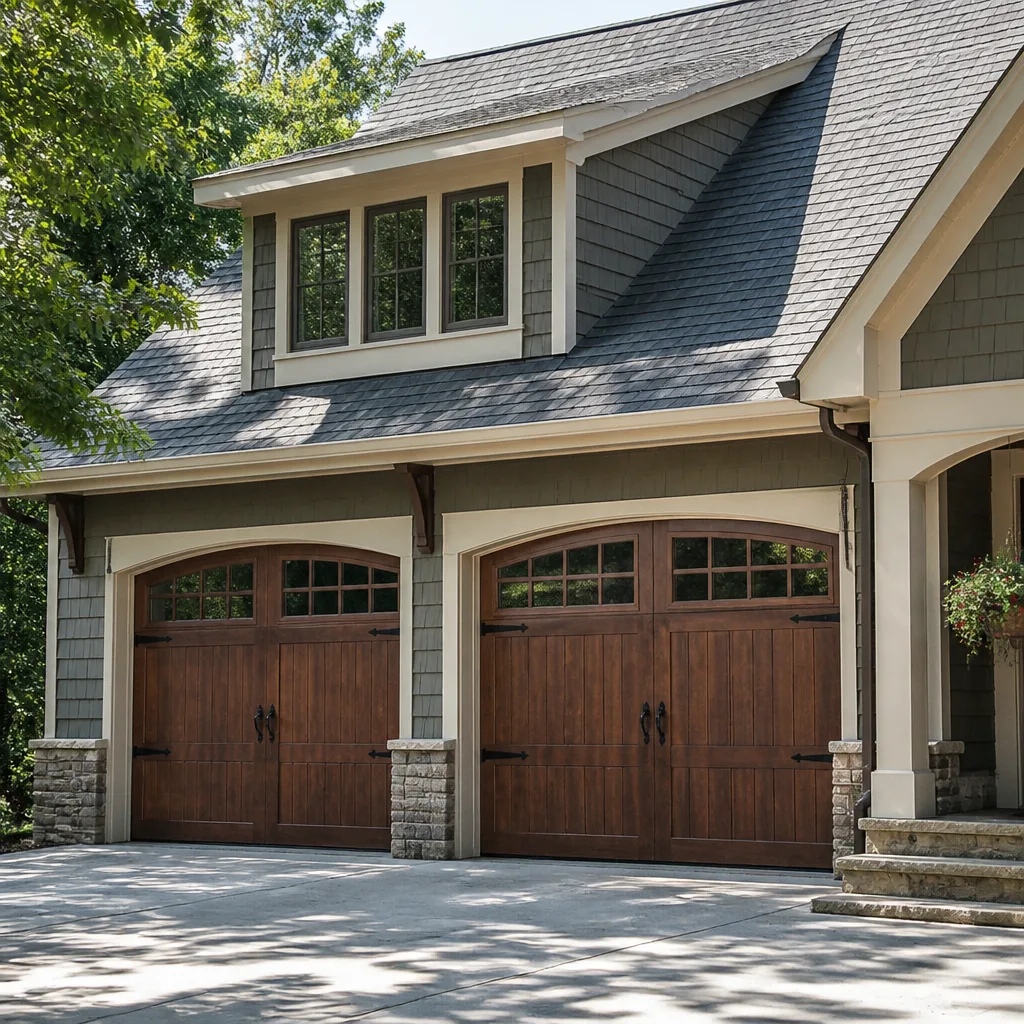 Carriage house
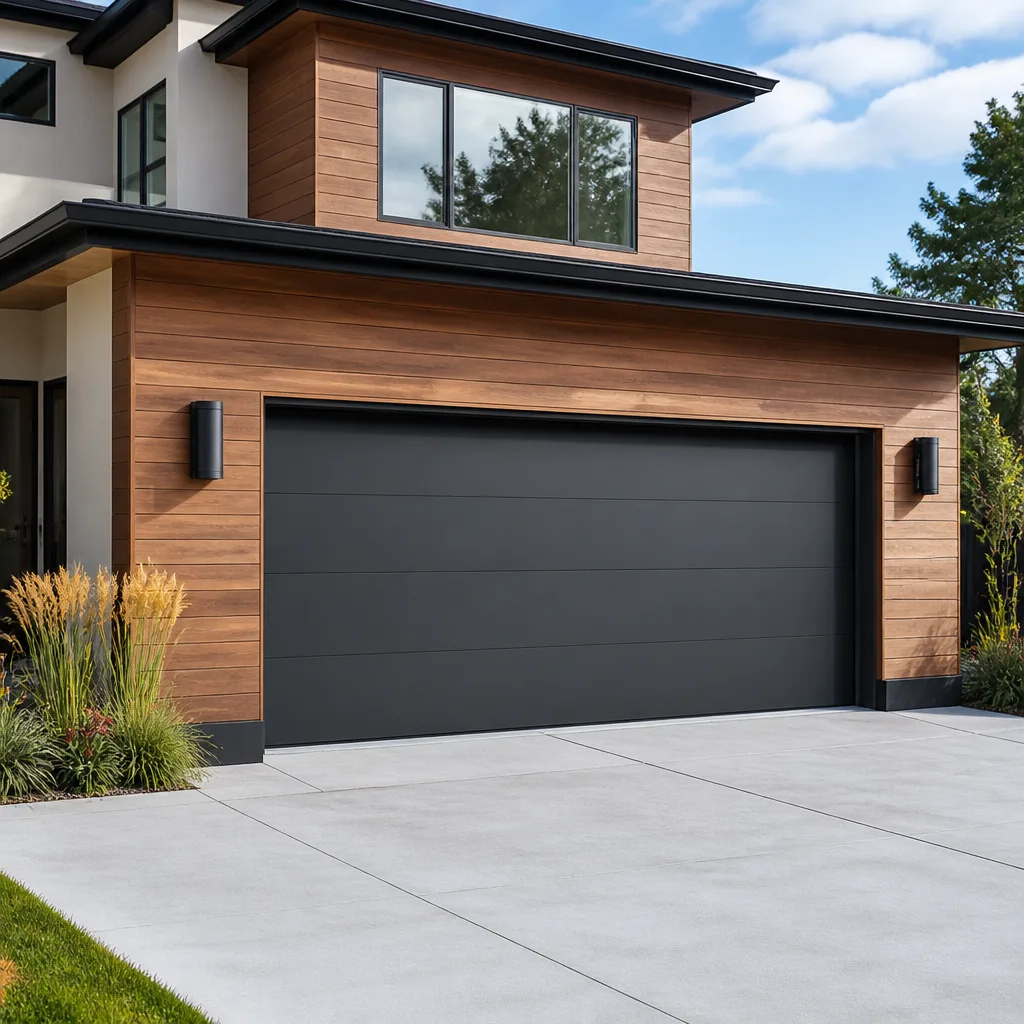 Modern flush
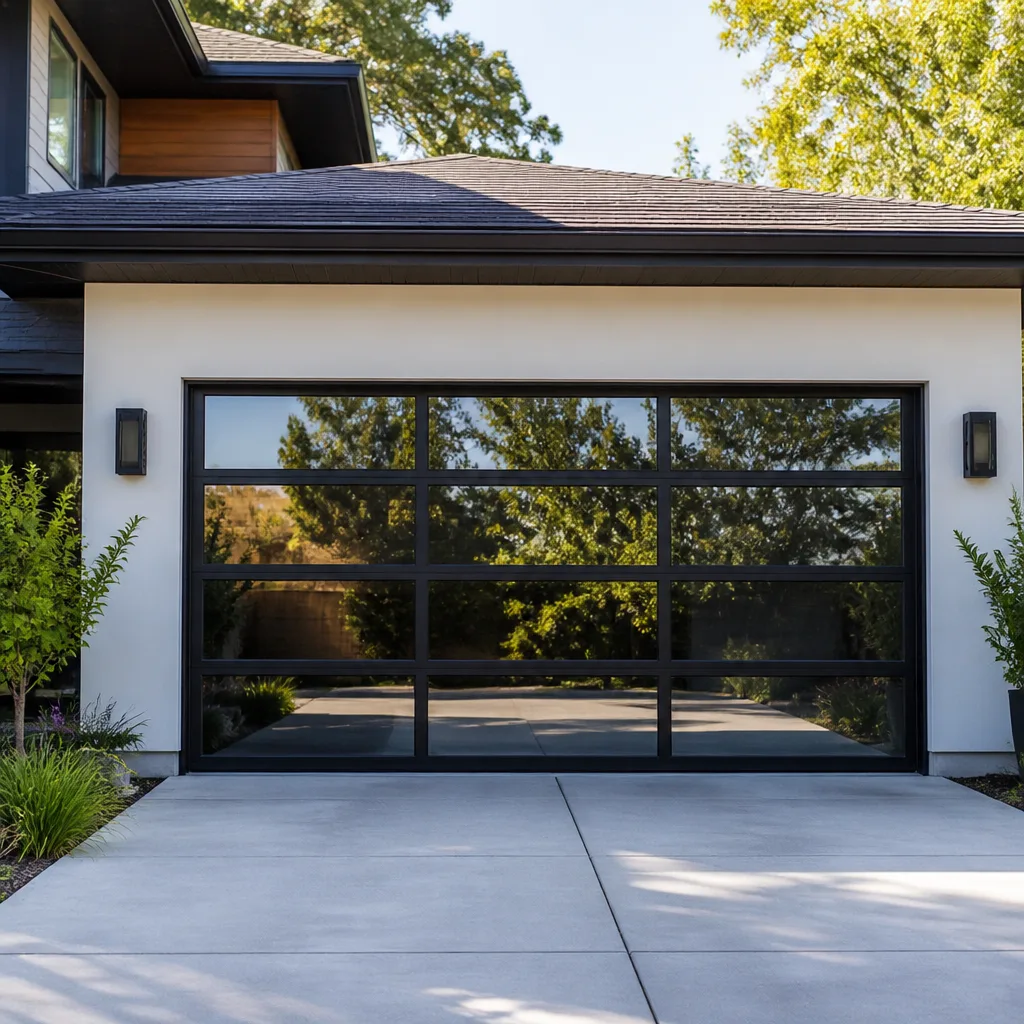 Full-view glass
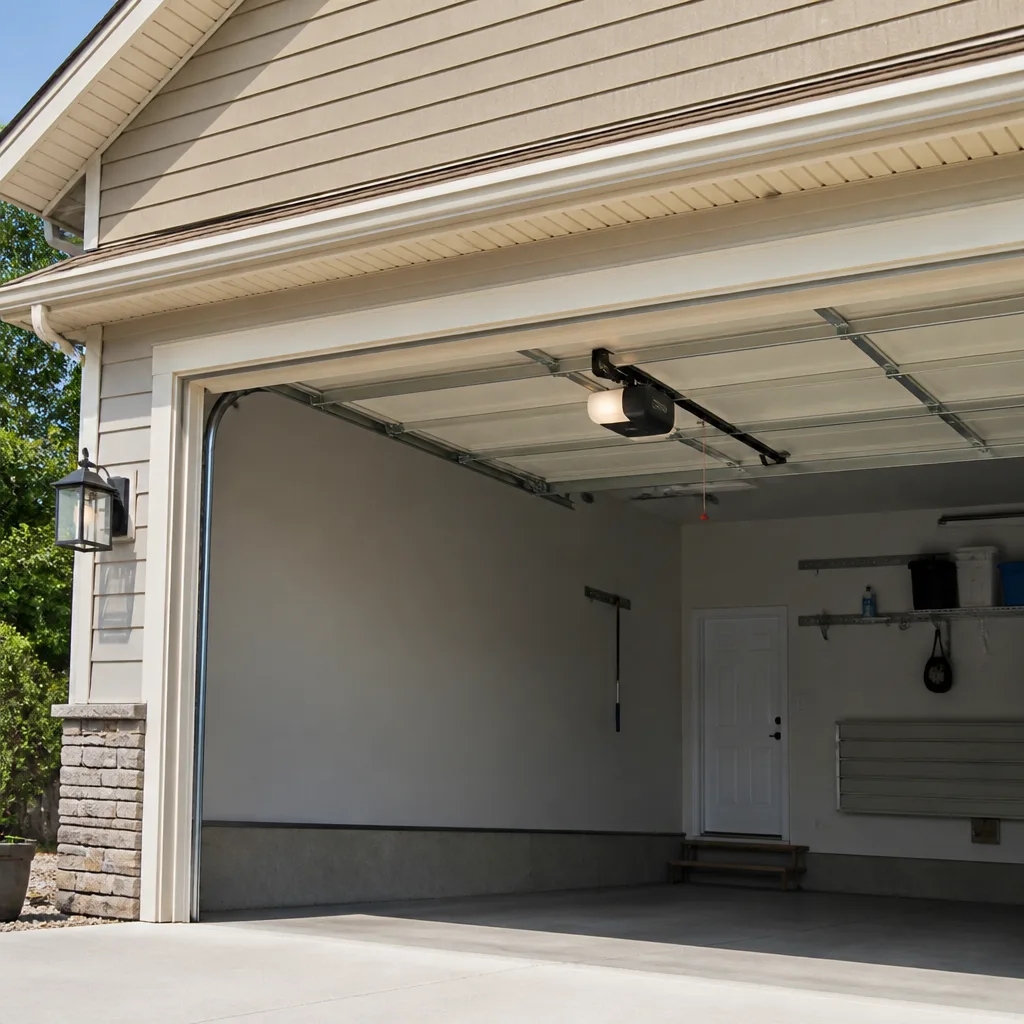 LiftMaster openers
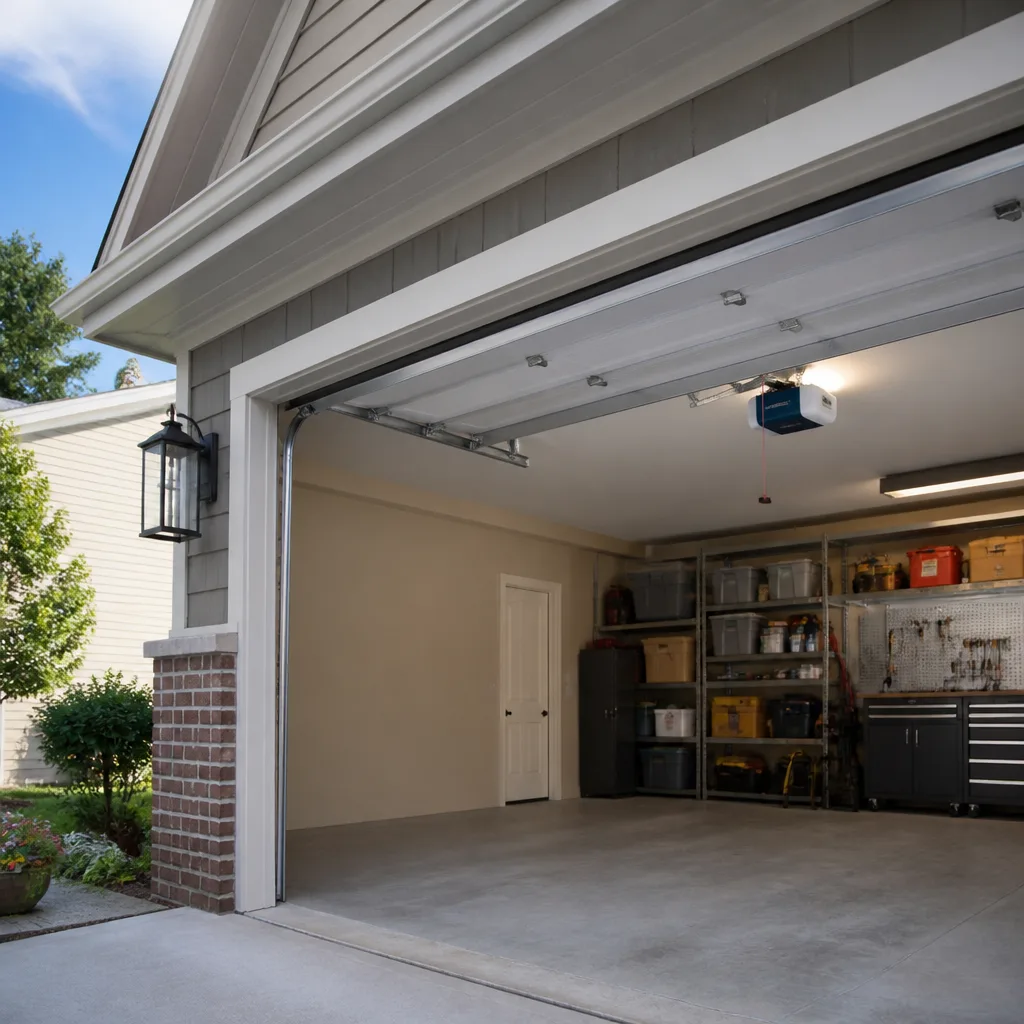 Chamberlain openers
Full 25-point door and opener safety check with every visit - springs, cables, rollers, tracks, and your LiftMaster or Chamberlain opener included
You get a price before we start. It does not change when the pro arrives.
Get your free estimateSeasonal Garage Door Care for Auburn: Year-Round Homeowner’s Guide
Most homeowners in Auburn treat garage door maintenance as a single annual chore, usually squeezed in before winter. That approach misses what’s actually happening to the door. Auburn doesn’t run on four equal seasons. It runs on a long wet stretch, a short dry summer, and two volatile shoulder periods that each stress the system in completely different ways. A door that sits perfectly aligned in August can be out of spec by the first cold morning in October, not because anything snapped, but because months of heat expansion have been quietly working on spring tension and track alignment. This guide walks through what each phase of the year does to your door, what to check after it passes, and when preventive work is worth scheduling. Everything here is written for Auburn homes and Auburn weather.
Styles & brands we work with
- Raised-panel steel
- Carriage house
- Modern flush
- Full-view glass
- LiftMaster openers
- Chamberlain openers
Quick Answer
Seasonal garage door care in Auburn means matching maintenance to the actual climate pattern: re-tension and inspect springs before the cold, protect bottom and threshold seals through the wet freeze cycles, check for rust and wood rot after the rainy season, and use the dry summer for lubrication, painting, and hardware replacement. The single most important timing is fall, when thermal contraction exposes spring tension that was already marginal. A door that gets attention at each transition lasts longer and fails less often at the worst possible moment.
Table of Contents
- Why Auburn’s Climate Doesn’t Treat Garage Doors Fairly
- Fall Prep: Why Spring Tension Needs Attention Before the Cold
- Winter: How Standing Water and Freeze Cycles Attack Your Seals
- Spring Recovery: What to Check After a Long Wet Season
- Summer: The One Season to Schedule Non-Emergency Work
- Managing Door Gaps Caused by Concrete Slab Heave
- Opener Care Through the Seasons
- A Simple Seasonal Calendar for Auburn Homeowners
- Common Mistakes to Avoid
- When to Call a Professional
- Frequently Asked Questions
- The Bottom Line
Why Auburn’s Climate Doesn’t Treat Garage Doors Fairly
Auburn sits in a pattern that’s hard on mechanical systems: wet for most of the year, then abruptly dry, with temperature swings at the edges that do more damage than steady cold ever would. A garage door is a tensioned system, which means every material in it – steel panels, torsion springs, cables, hinges, weather seals – responds to temperature at a slightly different rate. When those materials expand and contract at different rates, fasteners loosen, tracks shift a fraction of an inch, and springs that were set correctly in mild weather end up carrying more or less load than intended.
The wet season adds a second layer. Water that pools at the threshold, splashes up the bottom panel, or wicks into the wood at the base of older doors has months to work. Rust starts at fasteners and hinge plates long before it’s visible on the face of a panel. Wood bottom rails on Auburn doors that have seen multiple wet seasons can soften from the inside out, and the damage is often hidden until the seal pulls away or the panel starts to sag.
The dry summer is the one stretch where the door is under the least stress. That’s not a reason to ignore it. It’s the reason to use it. Preventive work done in the dry months holds through the wet ones far better than work done in the rain.
What actually breaks first in Auburn
- Torsion springs – the most common failure point, and the most dangerous to touch. Tension set in warm weather runs high when the first cold morning contracts the spring.
- Bottom and threshold seals – the first line of defense against standing water, and the first thing to fail when freeze cycles harden the rubber.
- Track alignment – expansion and contraction move the track brackets a little each season; over time the rollers bind.
- Hinge plates and fasteners – rust starts here, quietly.
- Bottom panel wood rails – on older doors, the rot starts where you can’t see it.
- Opener motors – months of cold-morning strain add up, especially on older chain-drive units.
If you want a broader service overview before diving into the seasonal detail, our Auburn Garage Door Repair Pros page covers the full scope of what we handle. But for the seasonal rhythm specifically, keep reading.
Fall Prep: Why Spring Tension Needs Attention Before the Cold
October in Auburn is when garage door calls spike, and it’s rarely because something snapped out of nowhere. It’s because summer heat expansion has been slowly throwing spring tension and track alignment out of spec all season, and the first genuinely cold morning is when the system finally says so. Thermal contraction does one very specific thing to a torsion spring: it makes an already-marginal spring carry more load than it was set for. A spring that was fine in August can be visibly out of balance in October.
This is why fall is the season that matters most in Auburn. The work done ahead of the cold is what carries the door through it.
What fall prep actually involves
- Balance test – disconnect the opener and lift the door by hand to about halfway. If it won’t stay put, the spring tension is off.
- Spring inspection – look for gaps in the coil, rust at the ends, or a spring that looks stretched compared to the other. Don’t touch it; this is a visual check only.
- Track and roller check – run the door and watch for wobble, listen for grinding, look for rollers that have worn flat.
- Weather seal inspection – check the bottom seal for cracks, hardness, or separation from the panel. Replace before the wet season, not after.
- Lubrication – a proper garage door lubricant on hinges, rollers, and springs (if the manufacturer calls for it) reduces cold-weather binding.
The re-tensioning question is where we stop short of DIY advice. Torsion springs are under enough stored energy to cause serious injury, and the adjustment window is unforgiving. If the balance test tells you something is off, that’s the point to bring in a trained professional. Our garage door spring repair service exists because this is the single most mechanically dangerous job on the door.
Winter: How Standing Water and Freeze Cycles Attack Your Seals
Auburn’s winter is wet, but the freeze cycles are the part that does the damage. Water that sits at the threshold, in the channel at the bottom of the door, or under the bottom seal becomes ice when temperatures drop. Ice expands. When it expands under a rubber seal, it pushes the seal away from the panel. When it expands in the gap between the door and the frame, it forces the gap wider. Do that repeatedly over a winter and a seal that was tight in October is loose and cracked by March.
Bottom seals and threshold seals are the two parts most affected, and both are relatively inexpensive to replace. The failure mode isn’t dramatic. The seal hardens, cracks, pulls loose at the edges, or thins out where the ice pressure was highest. The result is a door that doesn’t seal, water that gets in, and a garage that stays damp through the wet season – which accelerates rust on every metal part inside.
What to watch for through winter
- Water pooling at the threshold – check after heavy rain. Standing water means the threshold seal is compromised.
- Visible gaps at the bottom corners – often the first sign of seal separation.
- Hard or brittle rubber – a seal that’s lost its flexibility won’t do its job.
- Frost or condensation inside the garage – usually a seal or threshold issue, not a door issue.
- Slow or strained opener operation – cold mornings are when a struggling motor shows its limits.
If your opener starts straining on cold mornings, that’s a signal worth acting on rather than waiting out. Our garage door opener repair covers everything from LiftMaster and Chamberlain units to older Craftsman and Genie systems, including the Wi-Fi-enabled openers that most general repair crews won’t touch.
Spring Recovery: What to Check After a Long Wet Season
The wet season leaves marks, and spring is when you find them. A door that came through winter without obvious problems still needs a full pass once the rain eases. This is the inspection that catches the slow damage – the rust that started in November, the wood that softened, the motor that took more strain than it should have.
In Auburn, the spring inspection matters more than it would in a drier climate because the wet season runs longer and the drying-out process is slower. A hinge plate that got wet in December is still working on its rust in April.
The spring inspection checklist
- Rust spots on hardware – look at every hinge, roller bracket, and fastener. Surface rust on the face of a panel is cosmetic; rust at the hinge plate is the start of a failure.
- Wood rot on the bottom rail – probe gently at the bottom panel where wood meets weather seal. Soft wood is a replace-now item, not a repaint.
- Bottom seal condition – once the wet season ends, check whether the seal survived the freeze cycles intact.
- Panel alignment – look down the closed door from one side. Any panel that’s out of plane is a sign that the track or hinges have shifted.
- Opener performance – run the door a few times and listen. A motor that ran quietly in fall and now sounds laboured has been working harder than it should.
- Spring condition – visual inspection for gaps, rust, or visible stretching. If the balance test from fall is now failing, the spring has lost tension.
Spring is also a good time to catch up on any garage door repair items that got deferred through the wet months. Small fixes in April are cheaper than the same fixes in October, when the door is about to face another cold season.
Summer: The One Season to Schedule Non-Emergency Work
Summer in Auburn is short and dry, and that’s precisely what makes it the right window for preventive work. Paint adheres better to dry panels. Lubrication stays put instead of washing off. Hardware replacement happens in comfortable weather without water getting into the mechanism. And there’s no urgency pressure, which means you can plan the work instead of reacting to a failure.
This is the season when we see homeowners do the things that pay off later – not because summer itself protects the door, but because the work done in summer holds through the wet months that follow.
What to schedule in summer
- Full lubrication – hinges, rollers, and any manufacturer-approved spring lubrication. Dry weather keeps the lubricant where it belongs.
- Panel repainting or touch-up – catches cosmetic rust before it becomes structural. Paint on a dry panel cures properly.
- Hardware replacement – hinges, rollers, and brackets are all easier to replace in the dry season, and the new parts won’t get immediately wet.
- Weather seal replacement – counterintuitive but useful: put a fresh seal in before the wet season rather than after.
- Opener service or upgrade – if the motor struggled through the last cold season, summer is when to address it without urgency.
If your door is reaching the point where repairs are adding up faster than they should, summer is also the season to consider whether a garage door repair path still makes sense or whether a new door – in Clopay, Amarr, Wayne Dalton, or Raynor – is the better move. That decision is easier to make when you’re not standing in the rain.
Managing Door Gaps Caused by Concrete Slab Heave
Concrete slab heave is common on older Auburn properties after multiple freeze cycles, and it produces one of the most frustrating garage door problems: a gap at the bottom of the door that appears or widens over time even though nothing on the door itself has failed. The door is fine. The slab under it has moved. When the concrete lifts, the door’s bottom seal no longer makes contact with the floor, and the gap lets in water, cold air, and pests.
The first thing to understand is that slab heave isn’t a door problem to solve with door parts. Adjusting the bottom seal to close a gap caused by the slab will work for a while, but if the slab continues to move, the gap returns. The durable fix depends on how much the slab has shifted.
What to check before assuming it’s a door issue
- Measure the gap along the length of the door – if it’s wider at one end than the other, the slab has tilted.
- Check where the gap appears – a gap that shows up seasonally (wider after freeze cycles) points to slab movement, not door failure.
- Look at the threshold line – if the concrete at the threshold is cracked or uneven, the slab has moved.
- Test the door balance – if the door balances correctly and the gap remains, the slab is the likely cause.
Small seasonal gaps can often be handled with a heavier bottom seal or a threshold seal that bridges the gap. Larger movements may call for slab repair or a door adjustment that accounts for the new floor line. This is a case where getting a proper look at the whole system – door, track, and floor – saves you from fixing the wrong thing.
Opener Care Through the Seasons
Your opener is doing more work than most homeowners realize. Every cold morning in Auburn adds a little more strain to the motor, and every seasonal swing adds a little more wear to the gears and belt. A motor that runs quietly in August is a motor that’s been coasting; the same motor in January is fighting cold grease, contracted tracks, and a spring that’s carrying more load than it was set for.
The good news is that opener care is straightforward if you match it to the seasons.
Season-by-season opener checks
- Fall – test the safety reverse (the door should reverse when it meets an obstruction), check the force settings, and listen for new noises on cold starts.
- Winter – if the motor strains, disconnect the door and run the opener by itself. If it runs freely unloaded, the strain is coming from the door, not the opener.
- Spring – check the belt or chain for wear, look at the logic board for any error codes, and test the remote range.
- Summer – clean and lubricate the rail, check the battery backup if your unit has one, and confirm the Wi-Fi connection if the opener is app-controlled.
Brand matters here. LiftMaster and Chamberlain units have specific force-setting procedures, and Genie and Craftsman models differ in how they report faults. If your opener needs real attention, bringing in someone who works on these systems regularly is faster than a generalist learning on the job.
A Simple Seasonal Calendar for Auburn Homeowners
Here’s the whole year in one place. This is the rhythm that fits Auburn’s actual climate, not a generic four-season schedule.
Fall (October – November): prepare for cold
- Balance test the door by hand
- Visual inspection of springs (do not adjust them yourself)
- Check and replace weather seals
- Lubricate hinges and rollers
- Book a professional spring and track inspection if anything looks off
Winter (December – February): protect against water and freeze
- Check for standing water at the threshold after heavy rain
- Watch for seal separation at the bottom corners
- Listen to the opener on cold starts
- Clear any debris from the threshold channel
Spring (March – May): recover from the wet season
- Inspect for rust on hinges and fasteners
- Check wood bottom rails for rot
- Test opener performance after months of cold-morning strain
- Check panel alignment
- Plan any repairs for early summer
Summer (June – September): preventive work
- Full lubrication
- Panel painting or rust touch-up
- Hardware replacement
- Opener service or upgrade
- Assess whether the door needs repair or replacement
Common Mistakes to Avoid
- Treating maintenance as a single annual task. Auburn’s climate has distinct phases, and each one stresses the door differently. A once-a-year check misses the transitions where most problems start.
- Adjusting torsion springs yourself. This is the single most dangerous part of a garage door, and the failure mode is serious injury. If the balance test fails, call a professional.
- Ignoring the bottom seal until it fails. The seal is cheap to replace and expensive to ignore. Water that gets past it damages everything inside the garage.
- Assuming a gap at the bottom is a door problem. On older Auburn properties, slab heave is often the real cause, and adjusting the door won’t fix it.
- Skipping spring inspection after a wet season. Rust and wood rot are slow, and they’re easy to miss until the failure is expensive.
- Letting a struggling opener run through winter. A motor that strains on cold starts is telling you something. Waiting for it to fail means it fails when you need it most.
- Using the wrong lubricant. Standard oil attracts dirt and gums up the track. Garage door lubricant is formulated for the job.
When to Call a Professional
Some seasonal checks are homeowner work: watching for water, listening to the opener, checking the balance by hand, looking for rust. But several of the most important items on this list genuinely need a trained eye. Call a professional if your balance test fails, if you see gaps or rust on the torsion springs, if the door has started binding or grinding, if a seal or bottom rail needs replacement, if the opener is straining or reporting errors, or if a gap has opened at the bottom that you suspect is slab-related. And call immediately if a spring has snapped – that’s not a “next week” problem, and it’s not a job to attempt yourself. Auburn Garage Door Repair Pros offers free estimates in Auburn – call (877) 792-5887.
Frequently Asked Questions
Twice a year fits Auburn’s climate best – once in fall before the cold sets in, and once in spring after the wet season. A single annual service will catch obvious problems, but it misses the transitions where most seasonal damage actually happens. Our technicians have up to 10 years of experience and can tell you quickly whether your door needs attention at either check.
Cold weather contracts the spring and increases the load it’s carrying, which is why a spring that was already marginal tends to fail on a cold morning rather than in mild weather. In Auburn, the fall thermal contraction is what exposes tension that was set too high over the summer. Call (877) 792-5887 for a spring inspection before the cold hits.
Bottom seals are generally a reasonable homeowner task and most hardware stores stock replacements. But if the bottom rail itself is rotted, or if the gap is caused by slab movement rather than a worn seal, replacing the seal won’t solve the problem. Getting that assessed once is worth it.
If the gap at the bottom of the door is wider at one end, appears seasonally, or grows after freeze cycles, the slab has likely moved rather than the door being out of adjustment. A door balance test that passes while the gap remains is the giveaway. We can assess this alongside a standard service call.
Only if your door’s manufacturer specifies it, and only with the correct product. Torsion springs are under enormous tension and should not be handled by anyone without proper training. Annual lubrication of hinges and rollers is a normal homeowner task; spring lubrication is best left to a professional during a service visit.
Summer, because the dry weather keeps installation clean and the panel paint cures properly. It’s also when you’re least likely to be dealing with an urgent repair, which means you can plan the installation around your schedule. A free measure and written estimate is the right first step – call (877) 792-5887.
The Bottom Line
Auburn’s seasonal pattern is what makes garage door care here different from a generic annual service schedule. The long wet season, the short dry summer, and the two volatile transition periods each hit the system in a specific way, and the work that pays off most is the work timed to those transitions. Fall is the priority: springs, seals, and tracks need to be right before the cold exposes any weakness. Winter is about watching for water and freeze damage. Spring is the recovery inspection. Summer is the one window for preventive work that will hold through the next wet season. Handle each phase and your door stays aligned, sealed, and reliable year after year. Skip them, and you’re relying on luck.
If any part of this guide has you wondering about your own door, pick up the phone. Auburn Garage Door Repair Pros handles repairs, opener service, spring work, and full installation on LiftMaster, Chamberlain, Genie, Clopay, Amarr, Wayne Dalton, Craftsman, and Raynor systems. Every price is agreed before any work starts, and estimates are free. Call (877) 792-5887 to book a seasonal inspection or get a written quote tailored to your door.
Written by the team at Auburn Garage Door Repair Pros.
See the difference
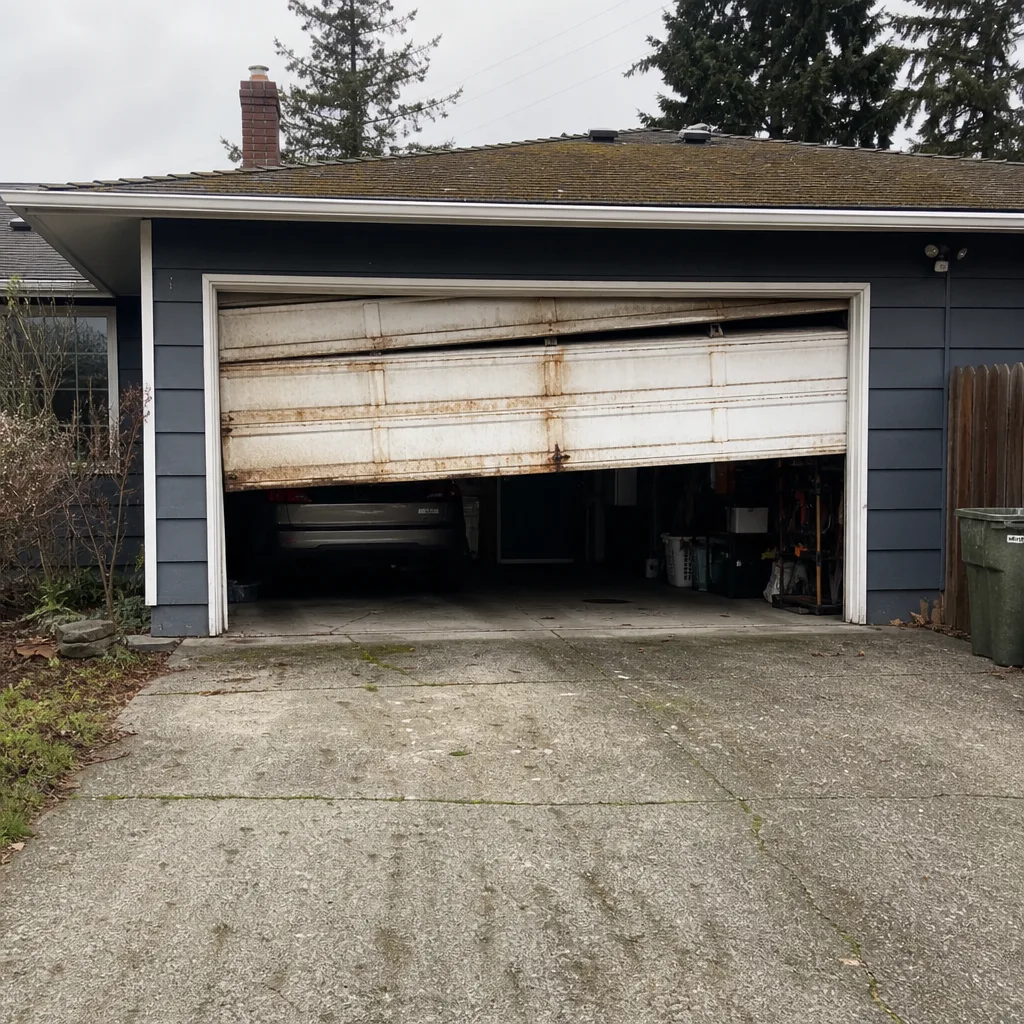 Before
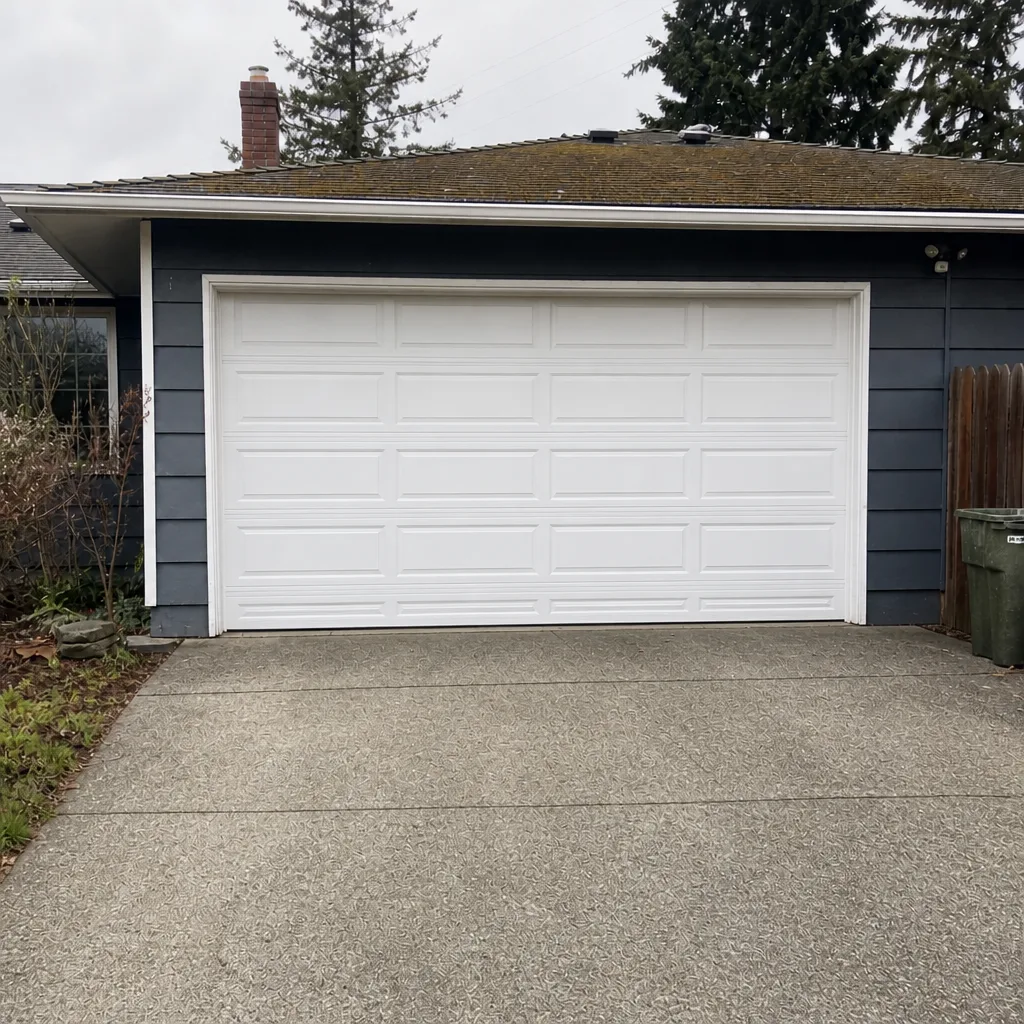 After
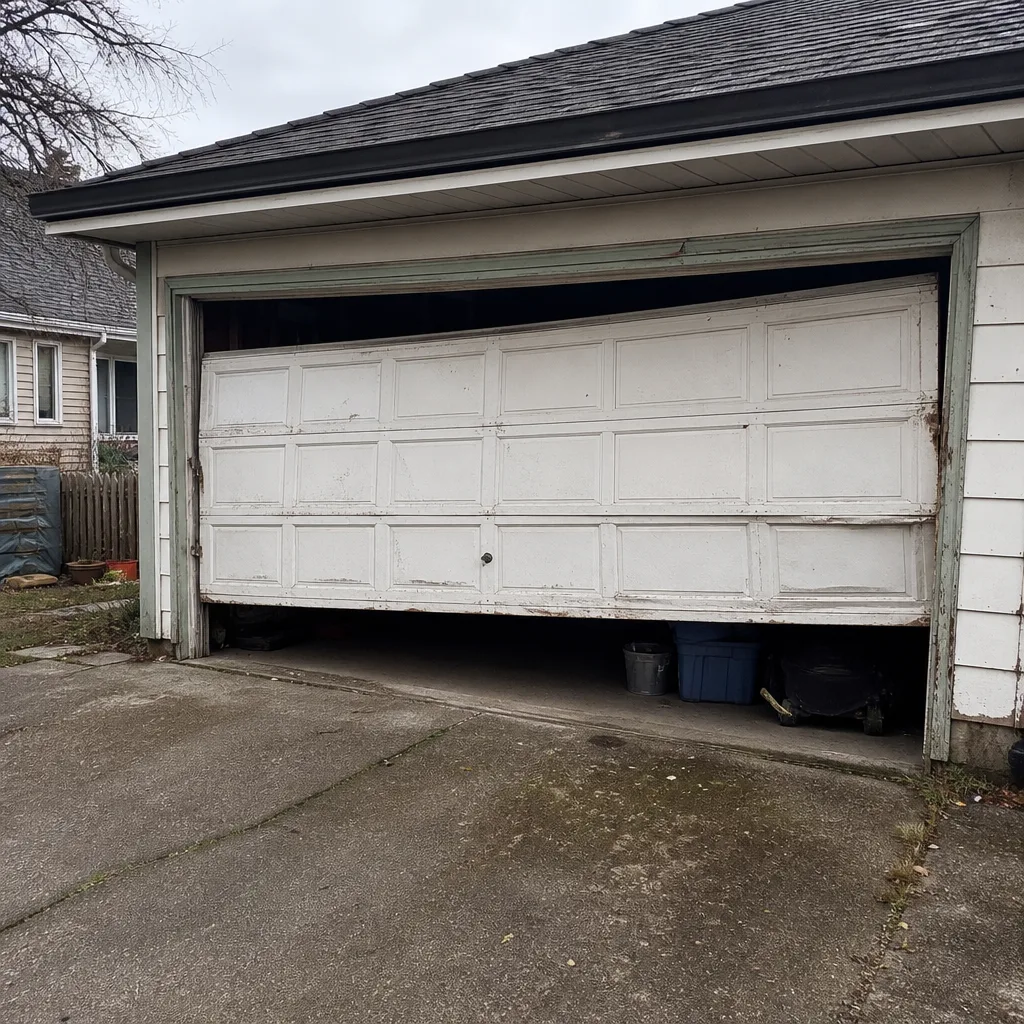 Before
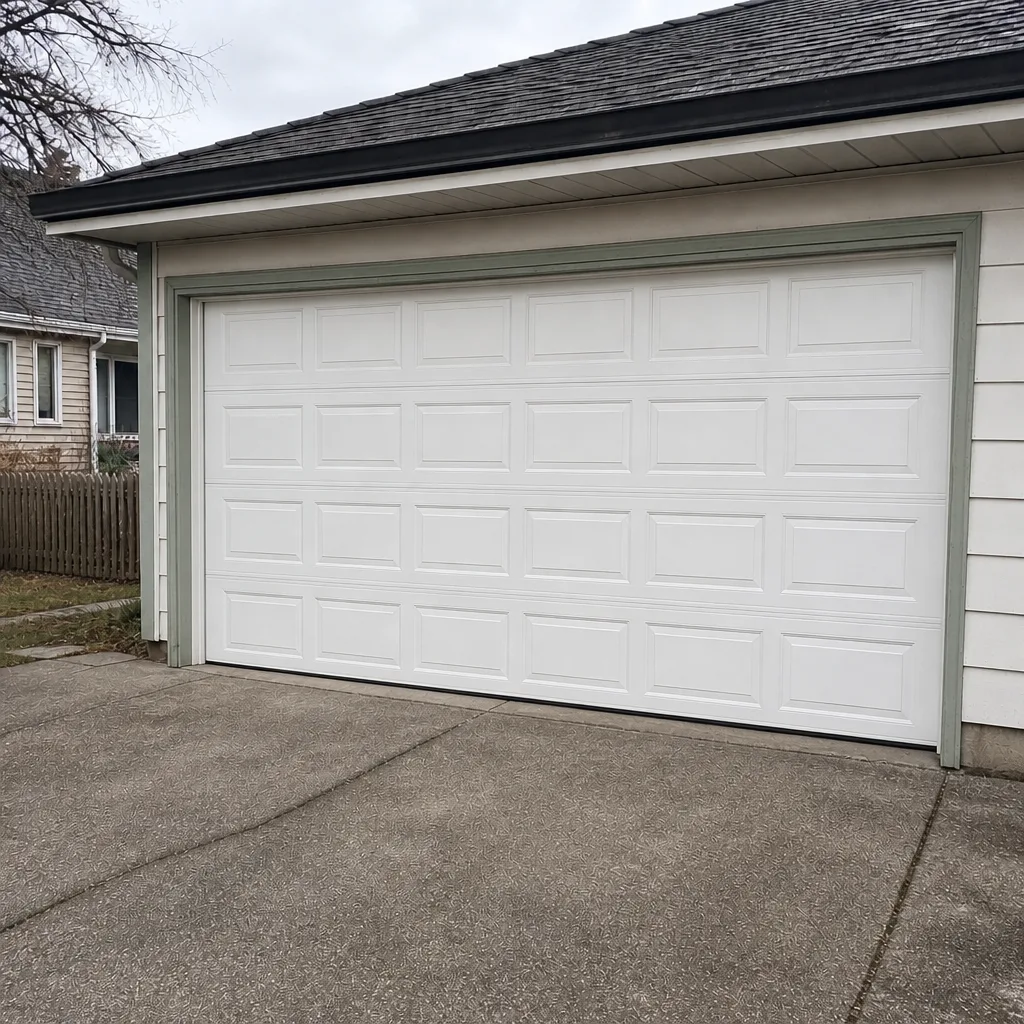 After
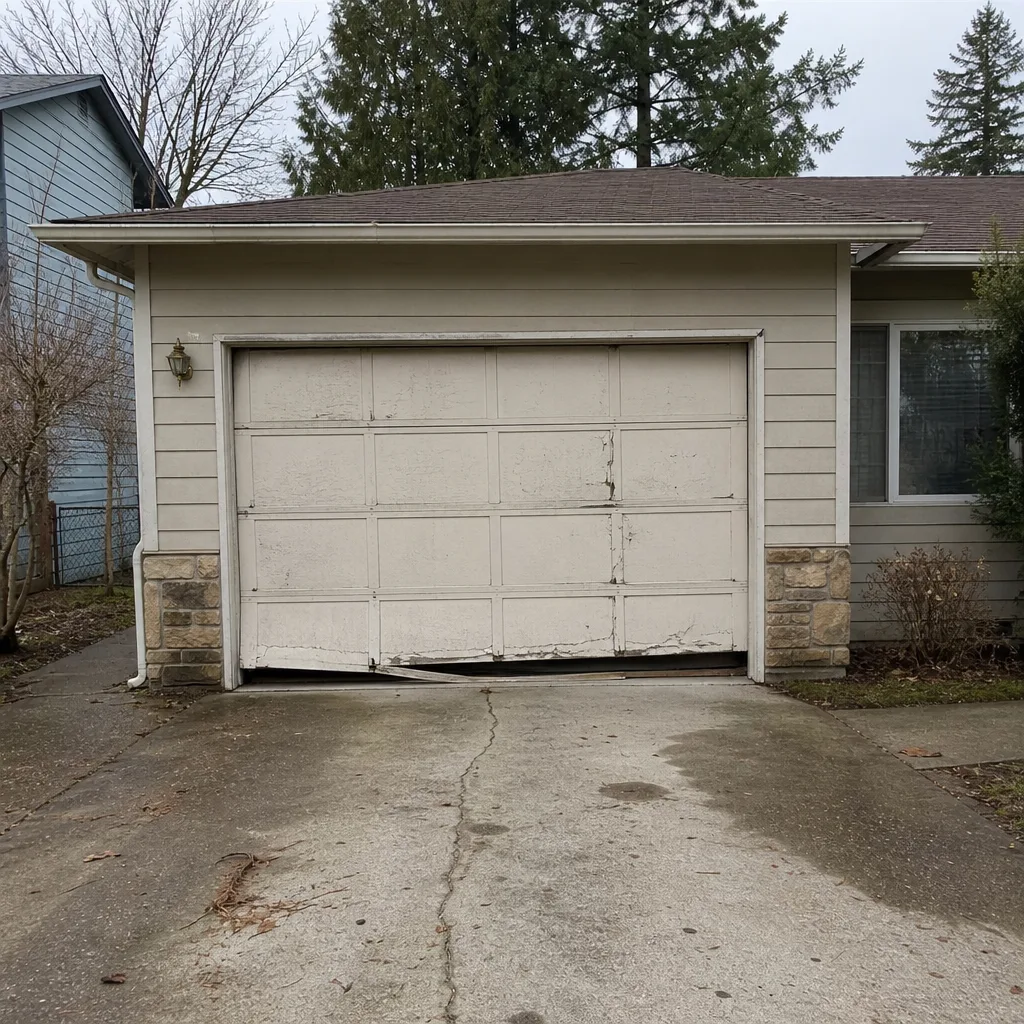 Before
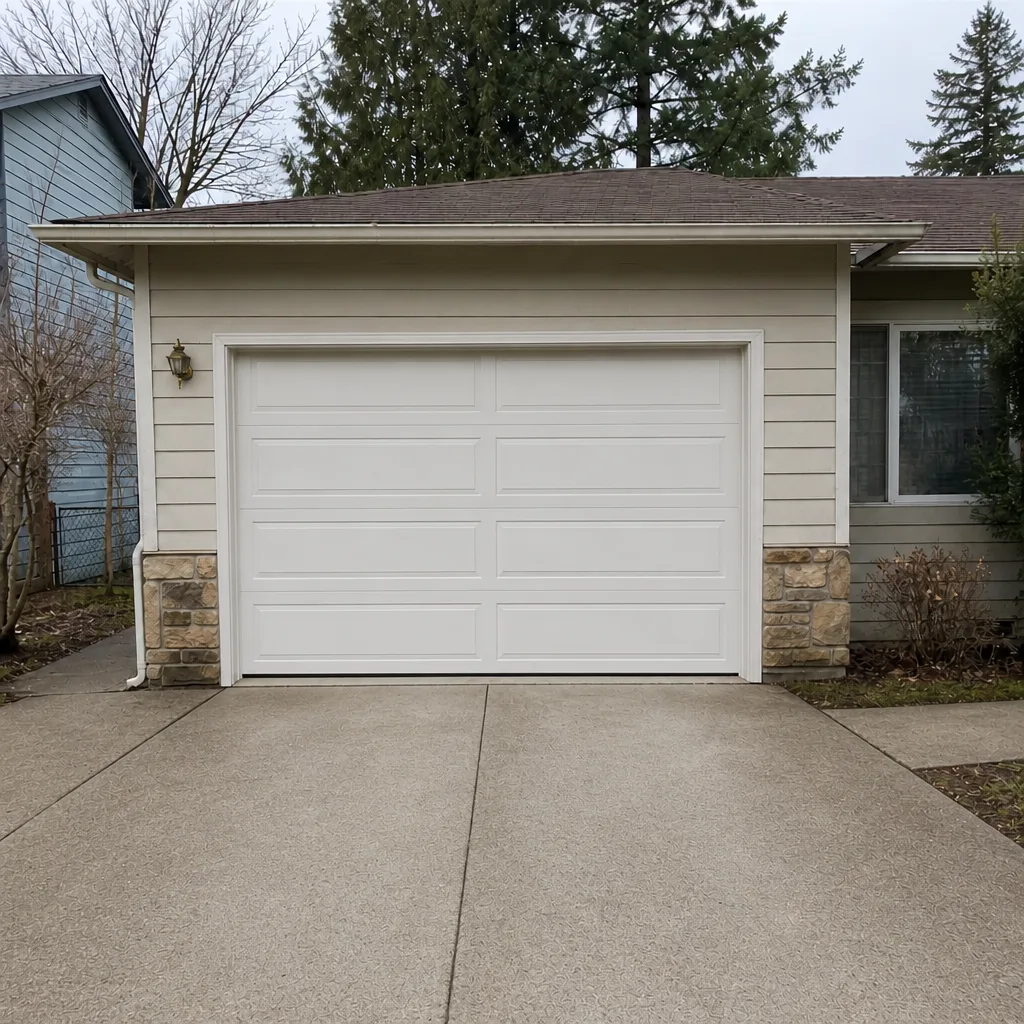 After