Last updated November 21, 2026
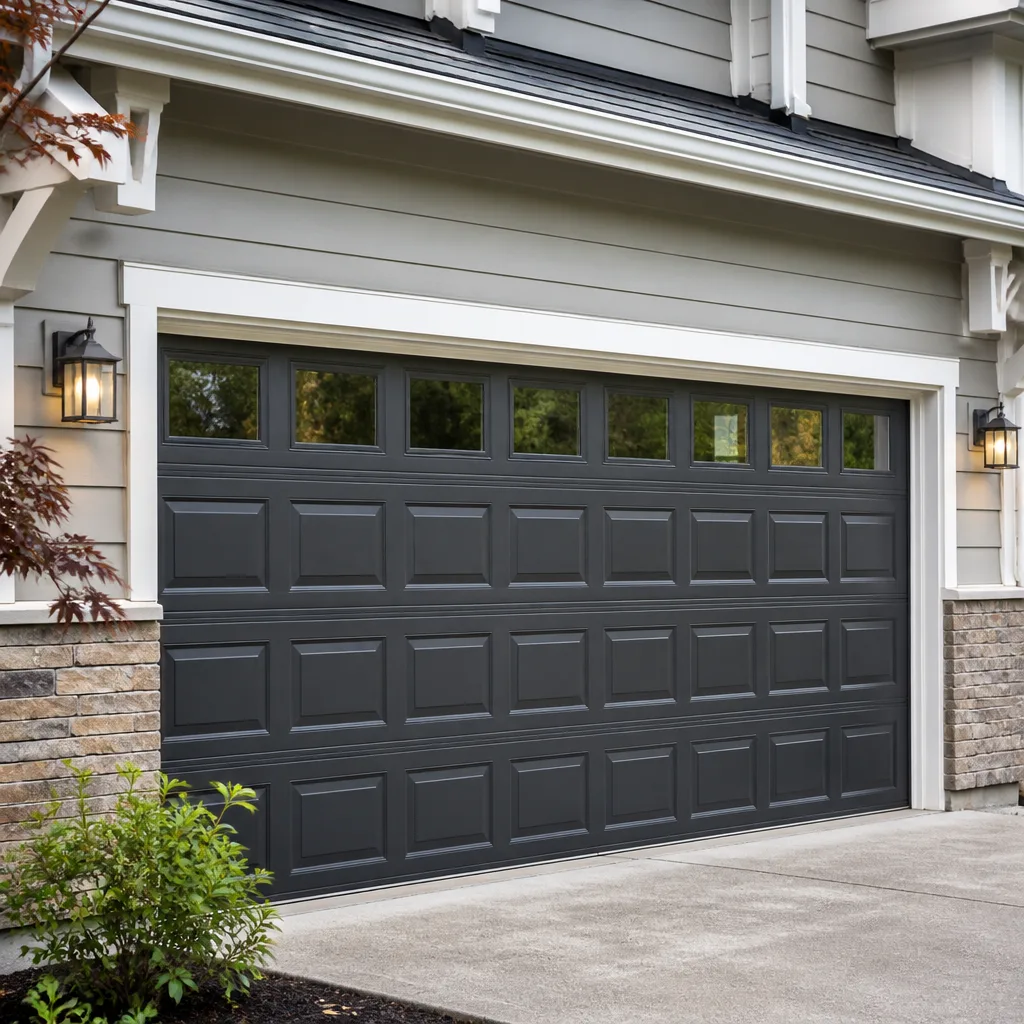 Raised-panel steel
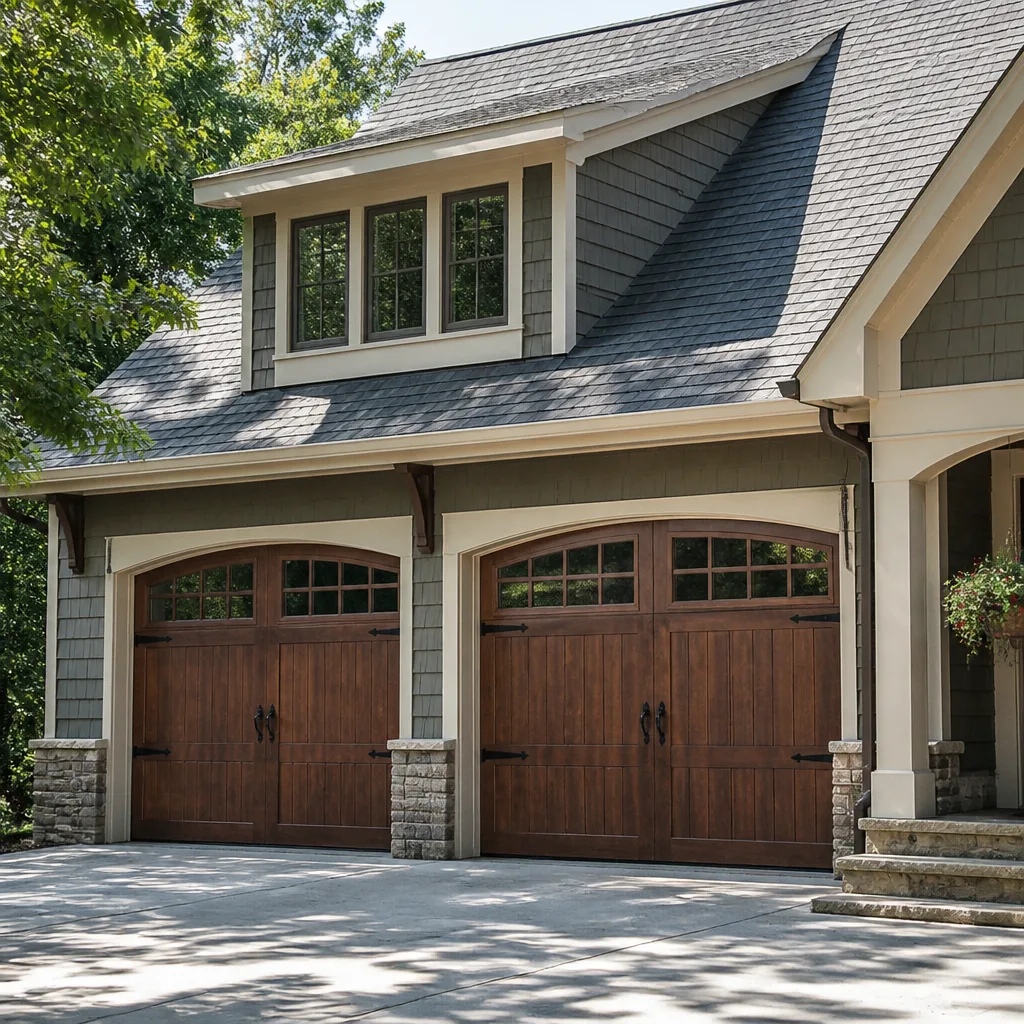 Carriage house
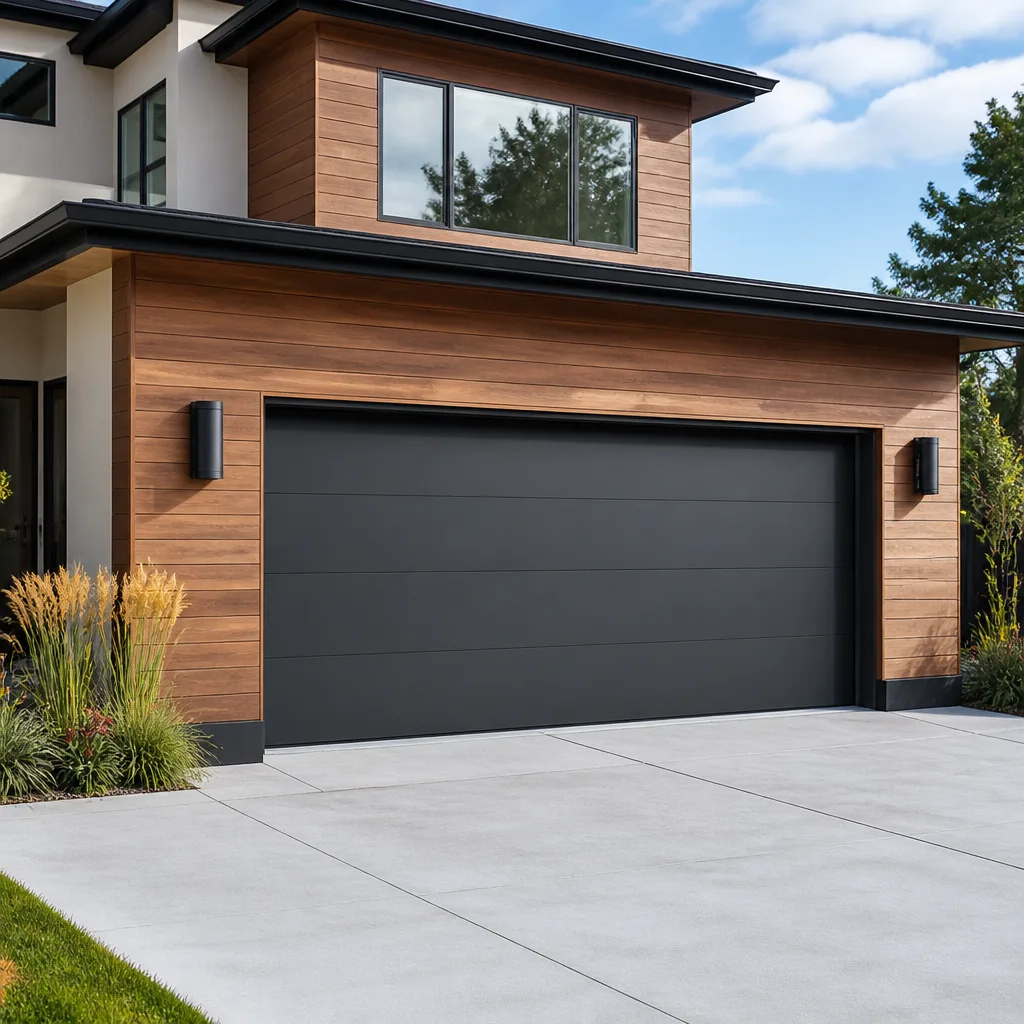 Modern flush
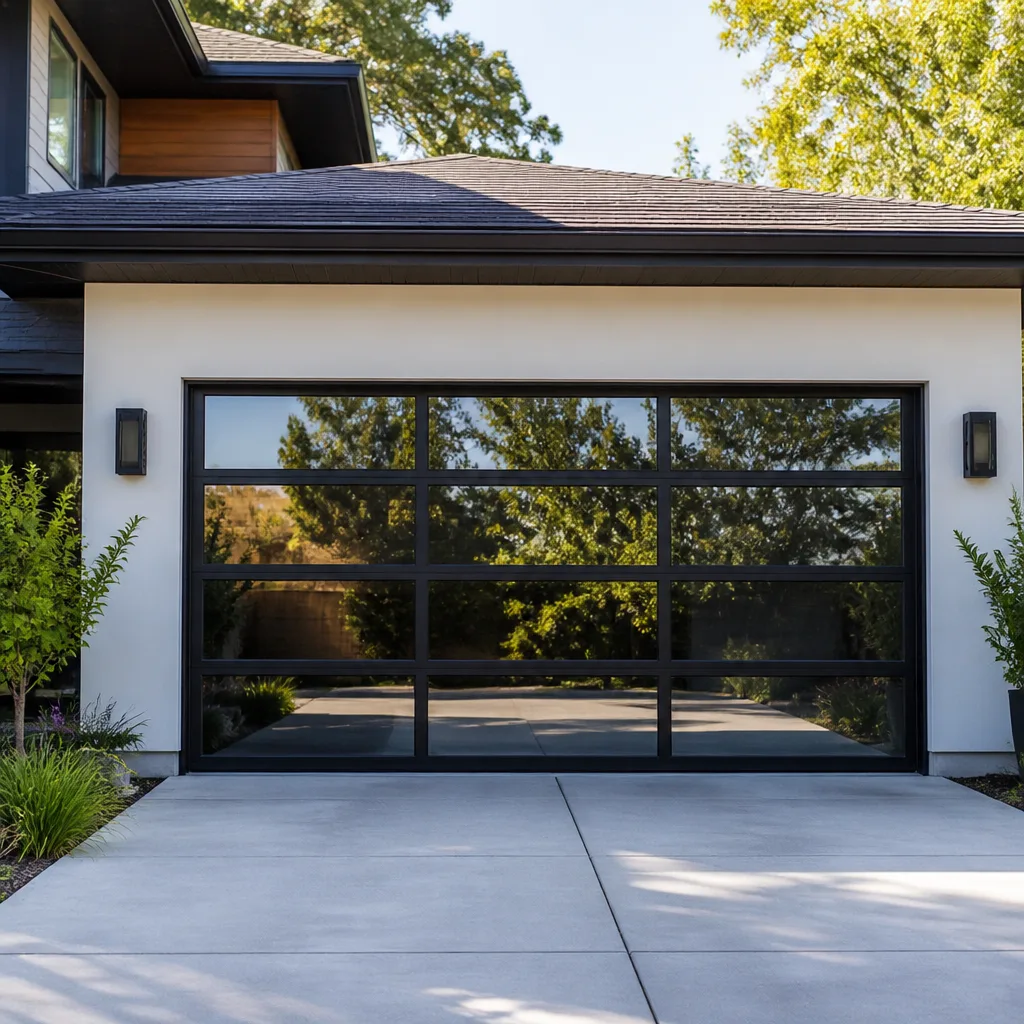 Full-view glass
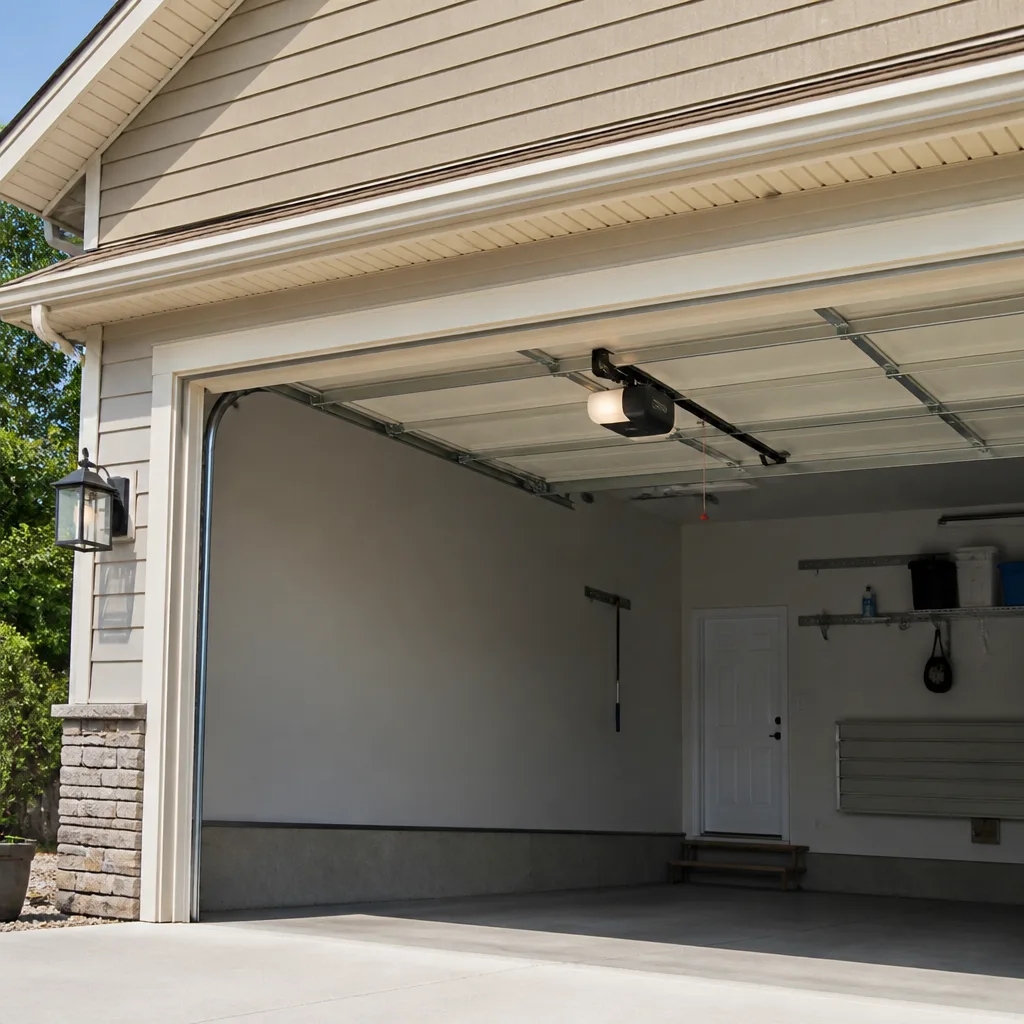 LiftMaster openers
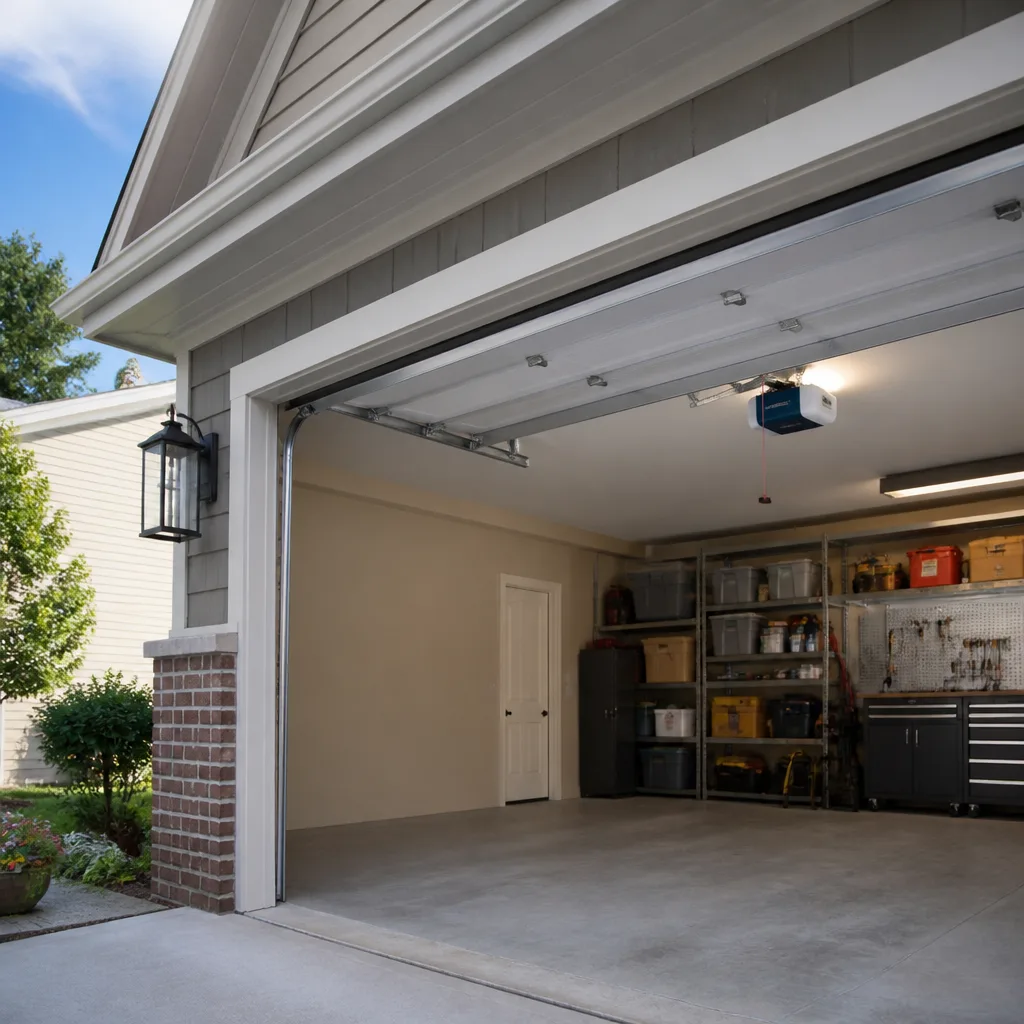 Chamberlain openers
Full 25-point door and opener safety check with every visit - springs, cables, rollers, tracks, and your LiftMaster or Chamberlain opener included
You get a price before we start. It does not change when the pro arrives.
Get your free estimateThe Complete Guide to Garage Doors in Auburn
Most garage door advice you’ll find online was written for a climate that doesn’t exist here. It talks about rust from salt air and damage from hail, neither of which is a real factor in Auburn. What actually wears out garage doors in this city is quieter: nine months of rain, a freeze-thaw cycle that works spring metal harder than dry cold does, and housing stock that’s now old enough to be hitting its first major replacement wave. If your home went up between 1990 and 2010, the original springs on your door are either already past their rated cycle life or will reach it soon. This guide covers what that means for your door, your opener, and your wallet, with the local detail national guides leave out.
Quick Answer
A garage door in Auburn typically lasts 20 to 30 years for the door itself, 7 to 12 years for torsion springs, and 10 to 15 years for a quality opener, but the wet, freeze-thaw climate here can shorten spring and seal life compared to drier parts of Washington. The single most important maintenance step is keeping the bottom seal and hinges dry and lubricated through the rainy season, and the most dangerous repair is anything involving springs or cables, which should always go to a trained specialist.
Styles & brands we work with
- Raised-panel steel
- Carriage house
- Modern flush
- Full-view glass
- LiftMaster openers
- Chamberlain openers
Table of Contents
- How Auburn’s Climate Affects Your Garage Door
- Which Door Materials Hold Up in Auburn
- A Realistic Lifespan Breakdown by Component
- Hillside Lots, Sloped Driveways, and Track Pitch
- Choosing and Maintaining an Opener in Auburn
- Local Parts, Big-Box Stores, and Winter Lead Times
- A Seasonal Maintenance Checklist for Auburn Homes
- Repair or Replace? How to Decide
How Auburn’s Climate Affects Your Garage Door
Auburn sits in a wet, temperate pocket of Washington where the door spends most of the year damp and a few weeks a year frozen. That combination is harder on the mechanical parts than either condition alone. Wet metal that freezes and thaws repeatedly fatigues faster than metal that stays dry and cold, because the expansion and contraction works at the grain of the steel every time the temperature crosses the freezing line. Torsion springs, which are under constant tension, are where this shows up first.
The rain does its own damage lower down. Bottom seals and the weatherstripping around the frame take the brunt of it. A seal that stays wet for weeks at a time gets soft, then brittle, then cracks. Once it cracks, water reaches the door’s bottom section and the threshold, and that’s where you start seeing rust bleed and rot on wood doors. Homeowners in wetter neighborhoods around Auburn often replace bottom seals every few years, while the same seal might last much longer in a drier climate.
The practical upshot for Auburn homeowners:
- Expect springs to reach the end of their life on the shorter end of the typical range, especially on doors that cycle several times a day.
- Check the bottom seal every fall before the wet season, not in spring after the damage is done.
- Keep hinges, rollers, and the torsion bar lubricated so moisture doesn’t sit in the moving joints.
- Watch the paint or finish on steel doors along the bottom edge, since that’s where moisture collects first.
If you’re already hearing a sharp bang from the door or seeing a gap at the bottom, those are the two earliest signals the climate has caught up with your hardware. Our garage door spring repair team handles both.
Which Door Materials Hold Up in Auburn
Material choice matters more here than in a dry climate because the door is wet for a large part of the year. The right material for an Auburn home is one that either resists moisture outright or dries quickly when it gets wet.
- Steel: The most common choice for Auburn homes and a solid one, provided the finish holds. Steel doors with a good factory finish resist rain well, but any chip or scratch along the bottom edge needs touching up quickly, because bare steel will rust in this climate. Insulated steel is the middle ground most homeowners land on.
- Aluminum: Won’t rust, which is a real advantage in a wet climate, but it dents more easily than steel. A good fit for low-traffic doors and homes where weight matters.
- Wood and wood composite: Beautiful, but wood needs annual sealing in Auburn’s climate to keep from absorbing moisture and warping. A wood door that isn’t maintained will show swelling and finish failure within a few seasons.
- Fiberglass and vinyl: These resist moisture well and don’t rust, but they can fade and become brittle with age. Good for homeowners who want low maintenance and don’t mind a narrower range of styles.
Brand choice is secondary to material and installation quality, but it does matter. We work on Clopay, Amarr, Wayne Dalton, and Raynor doors regularly, and those manufacturers each build to slightly different specs in their bottom sections and hardware, which is why knowing the brand saves time on parts.
One more local factor: doors on the shady side of a house or under heavy tree cover around Auburn stay damp longer after rain, which accelerates finish failure and seal rot. If your door faces north or sits in shade most of the day, plan on more frequent inspection.
A Realistic Lifespan Breakdown by Component
Garage doors fail one component at a time. Knowing the typical lifespan of each part tells you what to expect and when, so you’re not surprised by a failure you could have seen coming.
- Torsion springs: Typically 7 to 12 years, shorter in Auburn’s wet and freeze-thaw conditions. Springs are rated in cycles, not years, so a door that opens and closes six times a day wears them out faster than one used twice daily.
- Extension springs: Similar range, though the failure mode is different and can be more dangerous because they run along the track.
- Opener: A quality opener lasts 10 to 15 years. Belt-drive units tend to run quieter and longer than chain-drive, and modern Wi-Fi and app-controlled openers add convenience but not lifespan.
- Rollers: 5 to 10 years. Nylon rollers last longer and run quieter than steel. In a wet climate, steel rollers can develop flat spots and rust.
- Hinges and bearings: 5 to 10 years with lubrication. Skipping lubrication in Auburn’s damp climate shortens this considerably.
- Bottom seal and weatherstripping: 3 to 7 years. The most frequently replaced part in this climate.
- Cables: 10 to 15 years. Cables fray over time and should be inspected at every service visit.
- Door panels and frame: 20 to 30 years for steel and aluminum, longer for well-maintained wood.
If your Auburn home still has its original hardware from a 2000-era build, several of these components are likely already past their rated life at the same time. That’s the point where a full assessment makes more sense than replacing parts one at a time. A garage door repair visit can tell you which parts are near failure and which have years left.
Hillside Lots, Sloped Driveways, and Track Pitch
Auburn has more hillside lots than a flat-suburb guide would suggest, and a sloped driveway changes how a garage door needs to be set up. Track pitch, bottom seal contact, and opener torque all have to account for the grade, and a door that’s fine on a flat street can misbehave on a slope if the installation wasn’t adjusted properly.
Here’s what we look at on a sloped driveway:
- Track pitch: The vertical track has to be plumb and the horizontal track has a slight backward slope toward the back of the garage. On a hill, the door’s own weight distribution shifts, so the pitch needs to be set to match.
- Bottom seal contact: If the floor rises toward the door, the seal can gap on one side and compress too hard on the other. A proper seal sits flush across the full width, with no daylight and no crushed section.
- Opener torque: A door on a steep drive can be heavier to lift at the start of travel. The opener’s force settings and spring tension need to be tuned to the actual door weight, not the default out of the box.
- Cable tension: Slopes put uneven load on the two sides. The cables need to be evenly tensioned or the door will track crooked and wear the bottom seal unevenly.
If your door has started to drift to one side, rub against the frame, or leave a gap at the bottom on one corner, it’s worth having the track and seal checked before it gets worse. A door that’s out of alignment wears faster across every other component too.
Choosing and Maintaining an Opener in Auburn
An opener is only as good as its match to the door it’s lifting. In Auburn’s climate, the opener also has to work reliably in damp, cold conditions, so the smart-home features matter less than build quality and correct installation. We work on the four brands that dominate residential garages across Auburn: LiftMaster, Chamberlain, Craftsman, and Genie.
When you’re choosing an opener, the questions that actually matter are:
- Drive type: Belt-drive is quieter and a better fit for bedrooms over the garage. Chain-drive is louder but durable. Screw-drive is a good middle option.
- Lift capacity: Match the opener to the door weight, factoring in insulation. A heavier insulated door needs a stronger opener.
- Smart-home compatibility: LiftMaster and Chamberlain have strong Wi-Fi and app options. If remote monitoring matters to you, check the specific model rather than assuming all smart openers are equal.
- Battery backup: Worth having in a region where winter storms can knock out power. A backed-up opener keeps the door working when the grid doesn’t.
- Safety sensors: Every opener needs functioning photo-eye sensors at the bottom of the track. Test them monthly by blocking the beam and confirming the door reverses.
If your opener is unresponsive, the light flashes but the door doesn’t move, or the remotes stop working, the problem is often a sensor, a capacitor, or a logic board rather than the whole unit. Our garage door opener repair service handles brand-specific diagnosis rather than swapping parts until something works.
One maintenance habit that pays off in this climate: keep the opener’s rail clean and lightly lubricated, and don’t let leaves or debris collect around the motor housing where moisture can sit.
Local Parts, Big-Box Stores, and Winter Lead Times
There’s a real difference between what a specialized garage door company carries and what a big-box home improvement store sells. A store carries the most common generic parts, sized to fit a broad range. A specialist carries brand-specific parts matched to the actual system on your door, and knows the torque and tension specs for that brand.
This gap matters most in winter, when a failure can leave your car trapped and your home unsecured. Here’s why:
- Generic springs vs. rated springs: A store spring may fit the diameter but not the cycle rating your door needs. A spring with the wrong winding count or wire gauge will fail early or strain the opener.
- Brand-specific hardware: LiftMaster openers use specific gear and sprocket assemblies. A generic substitute may work briefly but won’t hold up, and the opener’s warranty may not cover mismatched parts.
- Lead times in freezing weather: A part that has to be ordered can leave your door stuck for days during a cold snap. When you need the door working now, having the right part on hand matters more than the sticker price.
- Diagnosis vs. guesswork: A store can sell you a part. It can’t tell you whether that part is what’s actually failing.
For Auburn homeowners, the practical takeaway is to have the common wear items checked before winter sets in. A garage door specialist can look at your springs, cables, and seals and tell you what’s likely to fail first, so you’re not scrambling in January.
A Seasonal Maintenance Checklist for Auburn Homes
Maintenance in Auburn’s climate has to account for the wet season. The checklist below is built around that: check the moisture-sensitive parts before the rain comes, and check the mechanical parts before the cold.
Before the wet season (early fall):
- Inspect the bottom seal for cracks, gaps, or soft spots. Replace if it doesn’t sit flush and dry.
- Check the door’s finish, especially along the bottom edge and any panel seams. Touch up chips and scratches on steel doors.
- Clear gutters and downspouts so water isn’t draining toward the garage door opening.
- Trim back vegetation that keeps the door shaded and damp.
Before the cold snaps (late fall):
- Lubricate hinges, rollers, and the torsion bar with a garage door lubricant, not general-purpose oil.
- Test the door’s balance manually: disconnect the opener and lift the door halfway. It should stay in place with minimal effort.
- Inspect springs and cables visually. Don’t touch or adjust them yourself; look for gaps in the coil, fraying on the cables, or visible sagging.
- Test the opener’s safety reverse and photo-eye sensors.
- Check the track alignment and listen for new noises during operation.
Springs and cables are the one part of this checklist you should never adjust or repair yourself. Torsion springs are under extreme tension and can cause serious injury if they let go. If anything looks wrong with them, call a trained professional rather than attempting a fix.
Repair or Replace? How to Decide
Repair makes sense when a single component fails and the rest of the system still has life in it. Replacement makes sense when multiple components are near the end of their life, or when the door itself is failing in ways that parts can’t fix. In Auburn’s climate, doors that have reached 20 or more years often hit the replacement point because the bottom section, the springs, and the opener are all aging out together.
Here’s a simple decision guide:
- One part failed, the rest is under 10 years old: Repair. A spring replacement or opener repair gets you years more service.
- Two or more major parts near the end of life: Compare the cost of replacing each against a new door. Replacement often makes more sense than a rolling series of repairs.
- The door panels are rusted, warped, or dented beyond repair: Replace the door. New panels on a failing frame are money that doesn’t last.
- Your door is older than about 20 years and noisy, uneven, or leaking: Get a full assessment. Modern insulated doors are much quieter and better sealed than 1990s models.
- The opener is over 15 years old and failing: A new smart-compatible opener is often the better call than repairing an aging chain unit.
One note on replacement in Auburn: this isn’t an emergency repair, so it follows a different path. A new door is measured, ordered, and scheduled, which means a free measure and a written price rather than same-day service. Call for that assessment early if you’re heading toward a failure you can see coming.
Common Mistakes to Avoid
- Assuming salt air is the culprit. Auburn isn’t a coastal town, and rust here comes from rain and trapped moisture, not sea air. Look at the bottom seal and the threshold, not the hardware, when you see corrosion starting.
- Skipping the bottom seal check until spring. In this climate, a cracked seal lets water in all winter. Check it in fall, before the wet season, and replace it if it’s failing.
- Buying a generic spring at a big-box store. A spring that fits the diameter may have the wrong cycle rating or wire gauge. It’ll fail early and put strain on the opener. Match the spring to the door’s actual weight and cycle needs.
- Tightening or adjusting springs yourself. This is the one garage door repair that can genuinely hurt you. Torsion springs are under serious tension. Leave them to a trained specialist.
- Ignoring track pitch on a sloped driveway. Auburn’s hillside lots need the track set for the grade. A door that runs fine on a flat street can drift, rub, and leak if the track isn’t set up for the slope.
- Replacing an opener without checking the door’s balance. A door that’s binding or out of balance will wear out a new opener. Fix the door first, then the opener.
- Letting a wet-season failure wait. A door stuck open in January leaves your home unsecured and lets water in. If it fails, call for emergency service rather than waiting for a scheduled visit.
See the difference
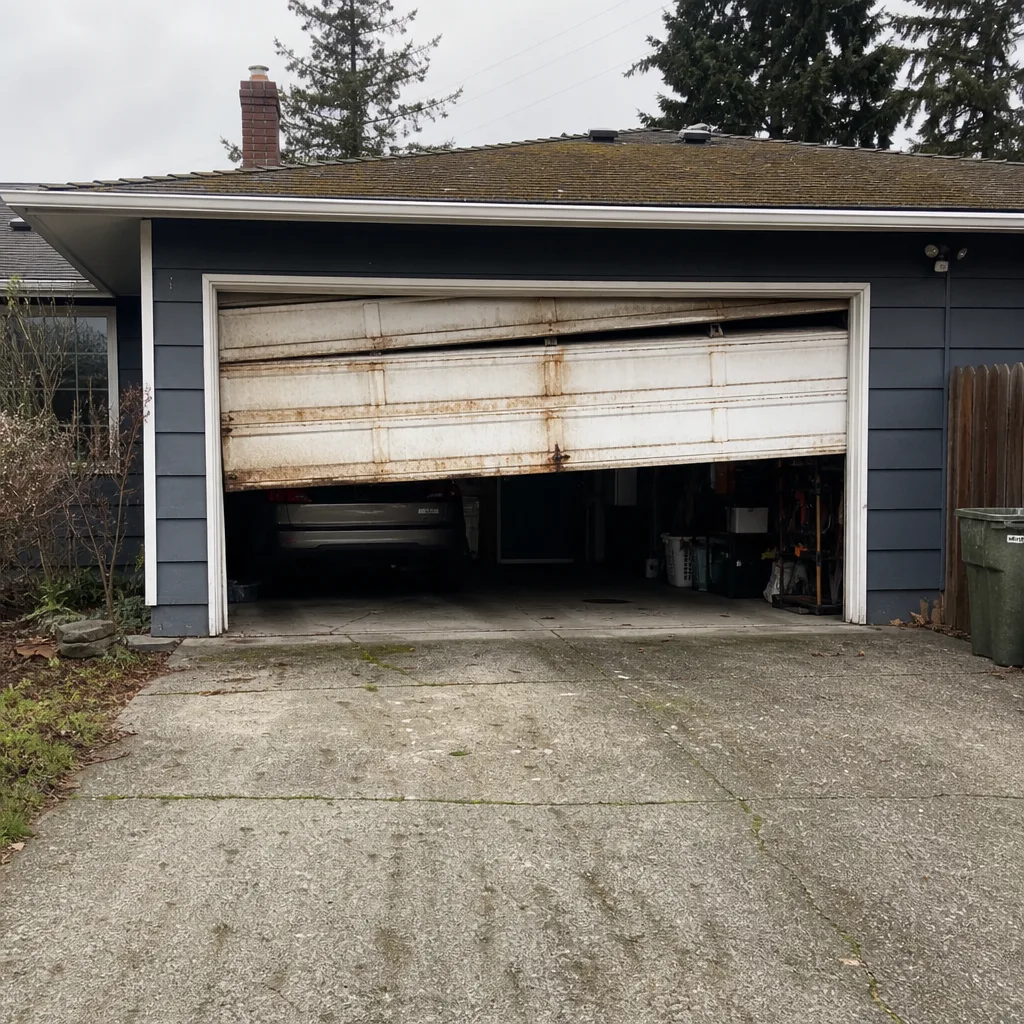 Before
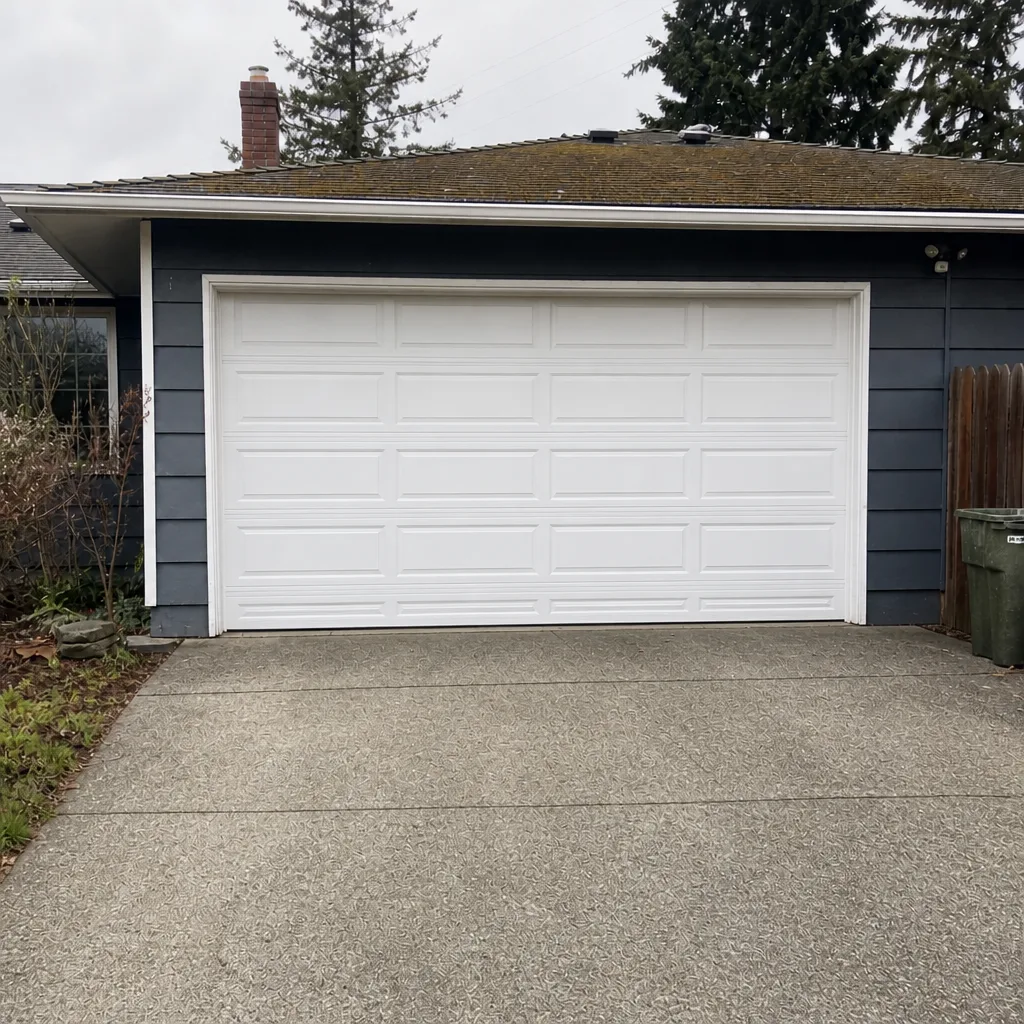 After
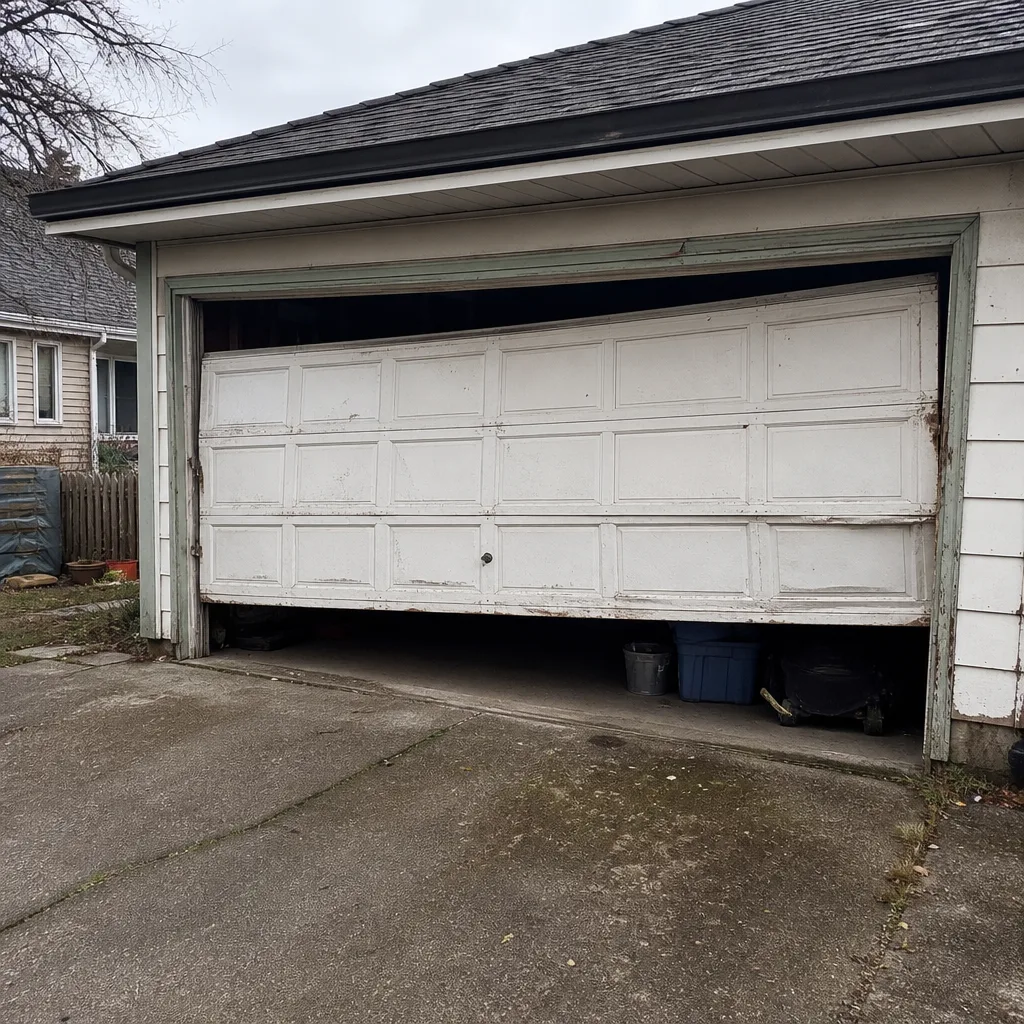 Before
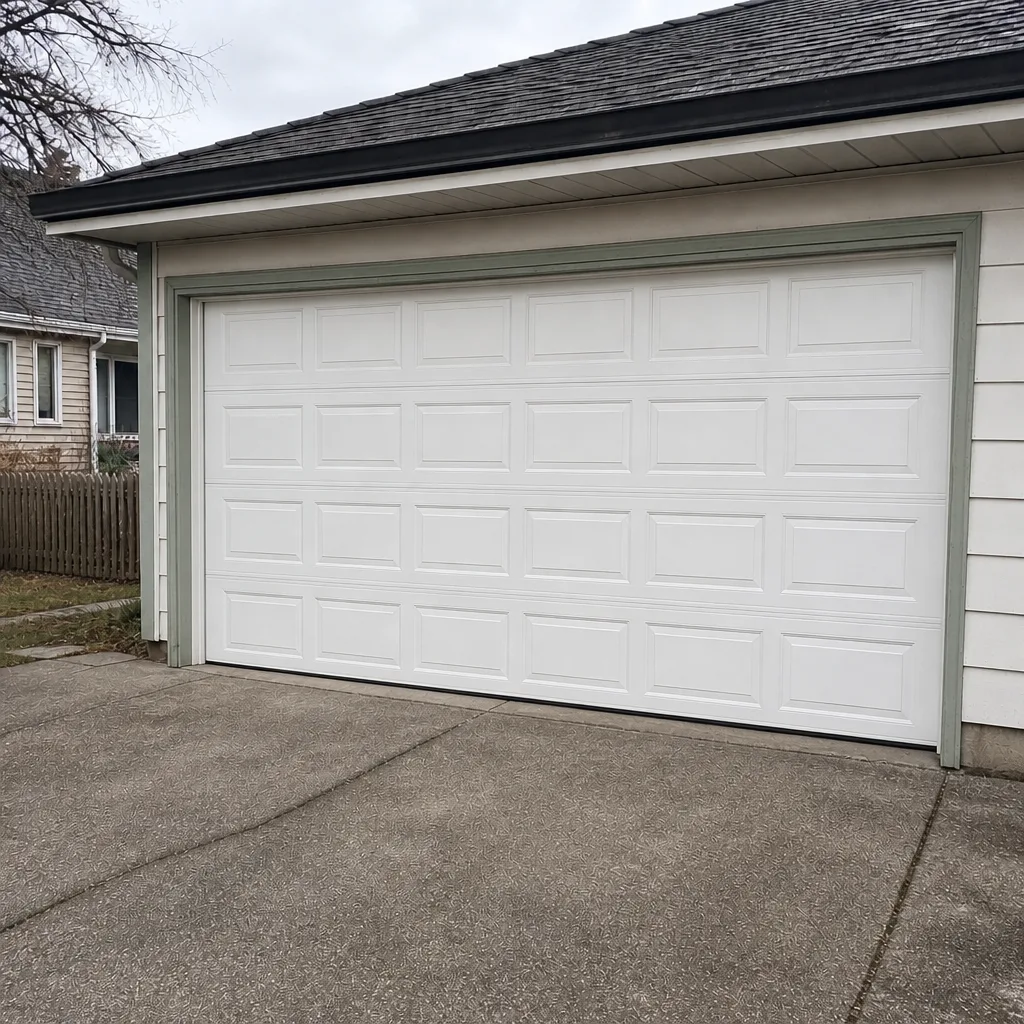 After
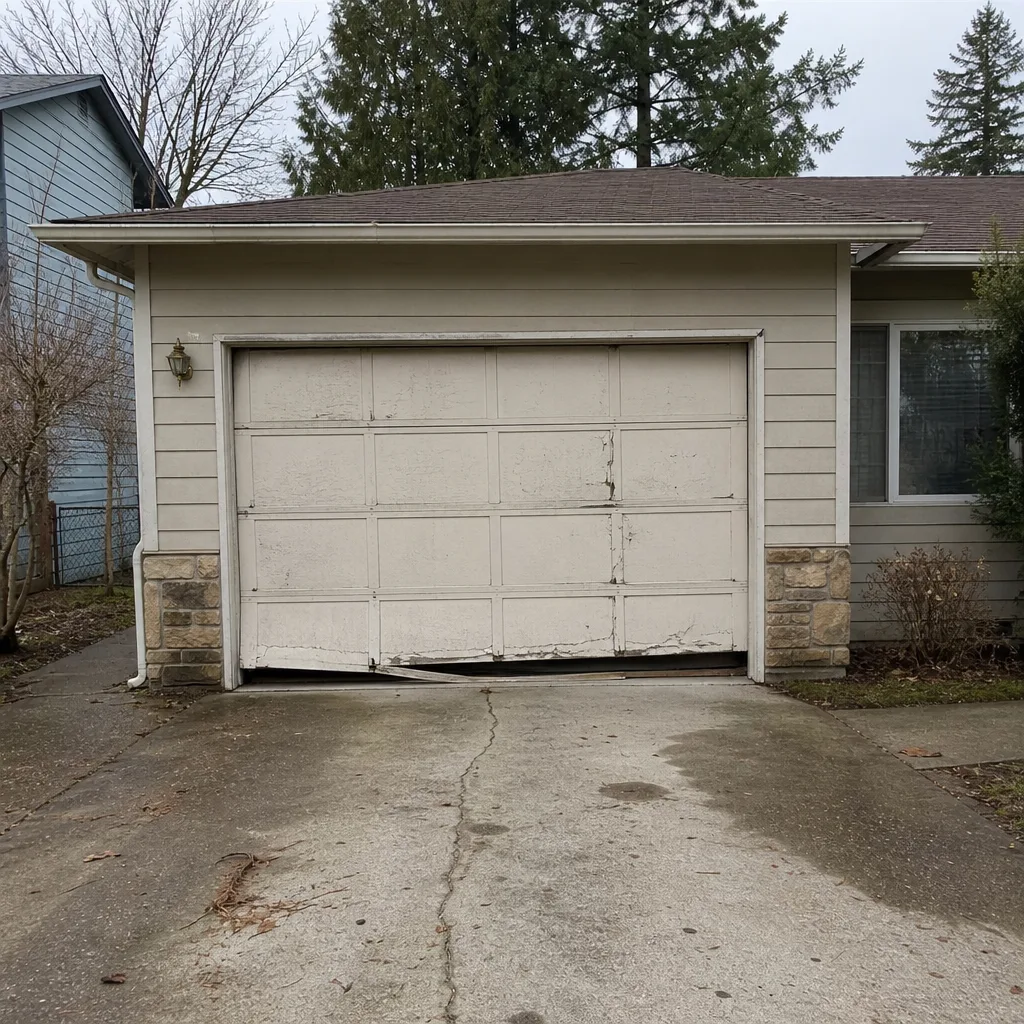 Before
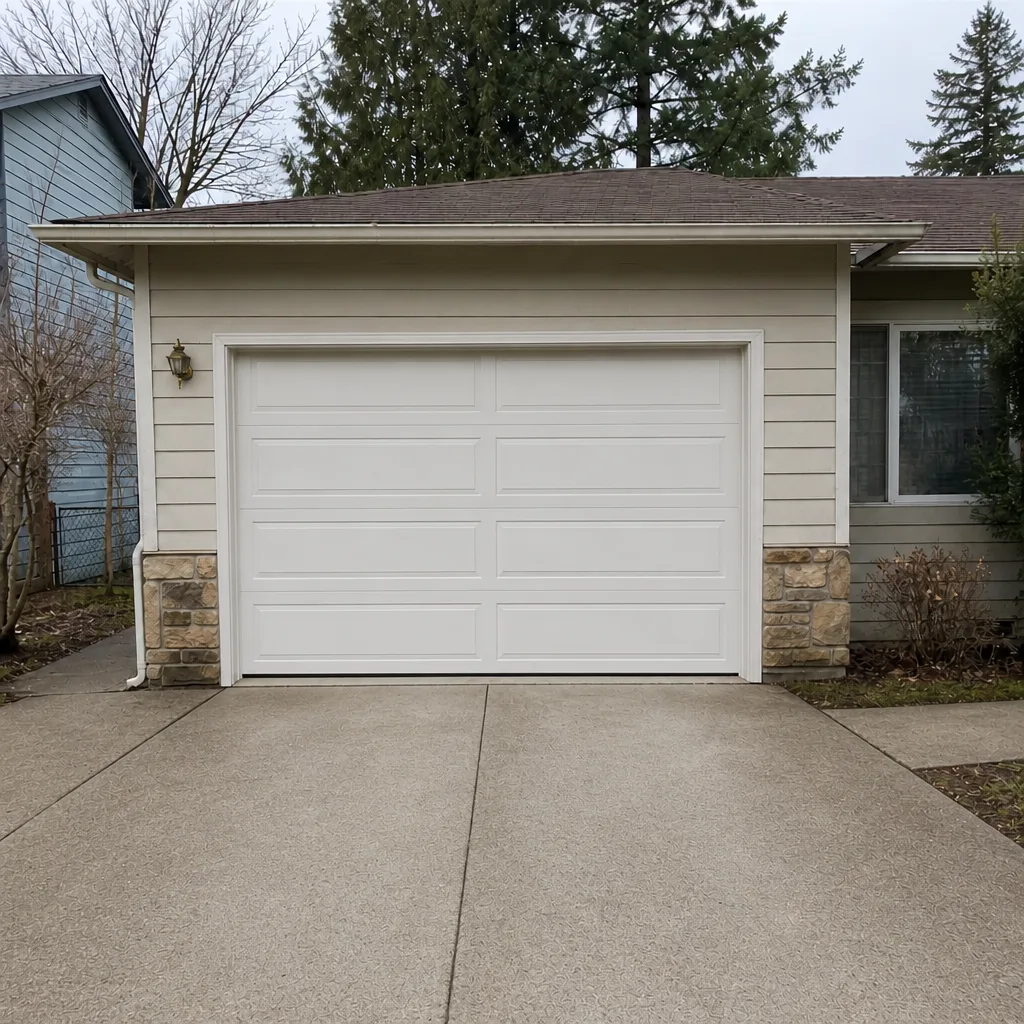 After
When to Call a Professional
Some jobs call for a trained specialist rather than a DIY attempt. Call for a professional when a spring breaks or looks damaged, when the door is hanging on one cable, when the opener won’t move the door but the remotes still work, or when the door comes off its track. Those situations can be genuinely dangerous to handle without the right tools and training. Also call when you’re unsure what’s failing. A diagnosis saves you from buying the wrong part.
Auburn Garage Door Repair Pros offers free estimates in Auburn – call (877) 792-5887. Our technicians have up to 10 years of experience, we work on LiftMaster, Chamberlain, Genie, and the major door brands, and we handle spring repair, opener repair, and installation as one company rather than referring you out. Emergency service is a core part of what we do, so if your door fails and can’t wait, get in touch.
Frequently Asked Questions
Springs typically last 7 to 12 years, but Auburn’s wet, freeze-thaw conditions can shorten that. Springs are rated in cycles rather than years, so a door used several times a day will wear them out faster. If your door was built in the 1990s or 2000s and the springs haven’t been replaced, they’re likely due. Call (877) 792-5887 for a free estimate.
Minor tasks like lubricating hinges, checking the bottom seal, and testing the safety sensors are fine to handle yourself. Spring, cable, and track repairs are not. Torsion springs are under extreme tension and can cause serious injury, so those should always go to a trained specialist. Call us if you’re unsure which category a problem falls into.
Insulated steel is the most common choice and works well if the finish stays intact. Aluminum resists rust but dents more easily. Wood looks great but needs annual sealing in this climate to prevent warping. Fiberglass and vinyl resist moisture but can fade over time. If your door is on a shaded side of the house, plan on more frequent maintenance regardless of material.
Sloped driveways change how the door’s weight sits on the track, so the track pitch, cable tension, and opener force settings all need to be adjusted for the grade. A door installed for a flat driveway will drift, rub, or gap on a slope. We set up tracks and openers specifically for Auburn’s hillside lots. Call (877) 792-5887 to have yours checked.
In many cases, yes. Spring failures and opener problems are often same-day repairs, and we offer emergency service for doors that are stuck and can’t wait. New door installations and full replacements are different: those are measured, ordered, and scheduled. Call for a free estimate and we’ll tell you what’s realistic for your situation.
Yes. We work on LiftMaster, Chamberlain, Genie, Clopay, Amarr, Wayne Dalton, Craftsman, and Raynor systems. Knowing the brand matters because each one uses different hardware specs and spring ratings. Matching parts to the brand you have, rather than swapping in whatever fits, is how the repair lasts. Call (877) 792-5887 for brand-specific service.
The Bottom Line
Auburn isn’t a generic garage door market. The wet, freeze-thaw climate shortens spring and seal life, hillside lots change how doors need to be set up, and the 1990s-to-2010s housing stock means a lot of doors are due for their first major service. The takeaways: check your bottom seal in fall, lubricate the moving parts, never adjust springs yourself, and get a specialist assessment if your door is aging out on multiple components at once. Repair when one part fails and the rest has life; replace when several do. And when you’re stuck, call for emergency service rather than living with a door that won’t close. Call (877) 792-5887 for a free estimate – the price is quoted and agreed before any work starts.
Written by the team at Auburn Garage Door Repair Pros.