Last updated November 21, 2026
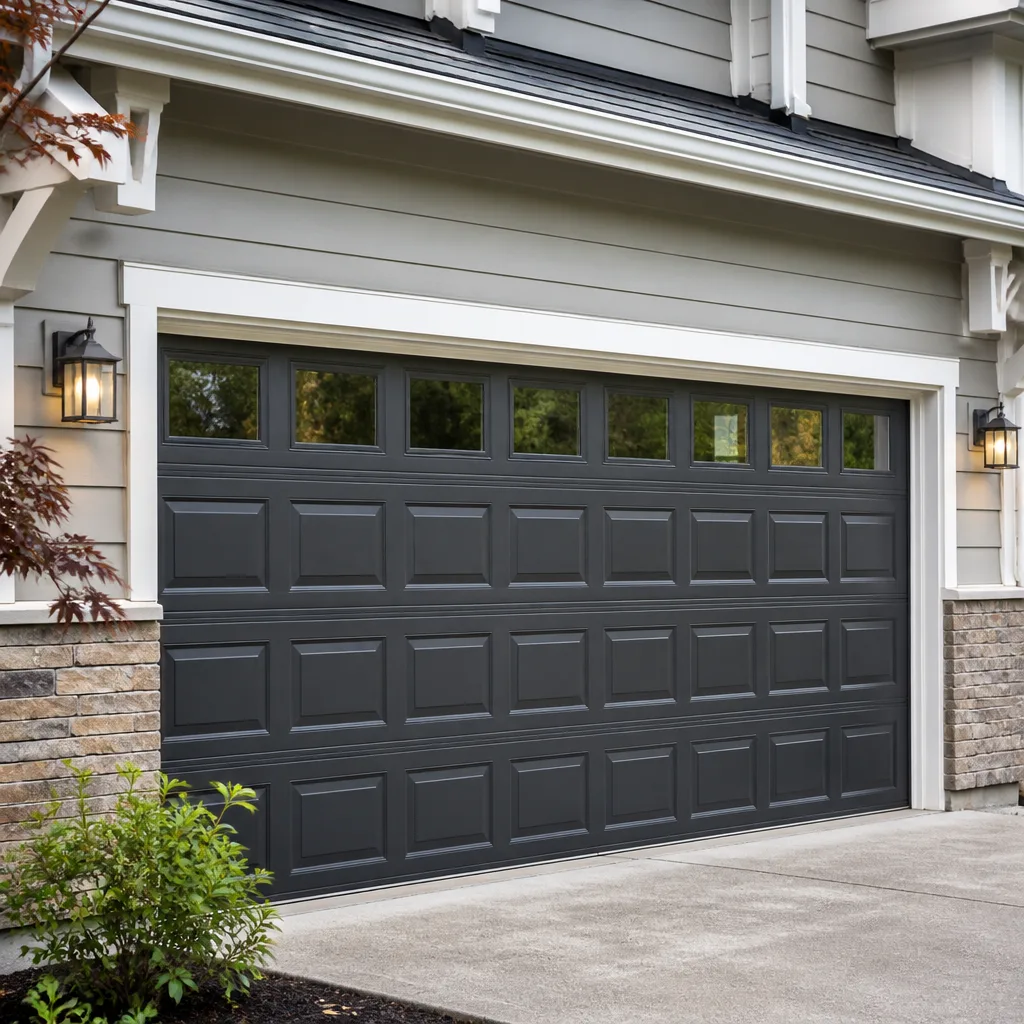 Raised-panel steel
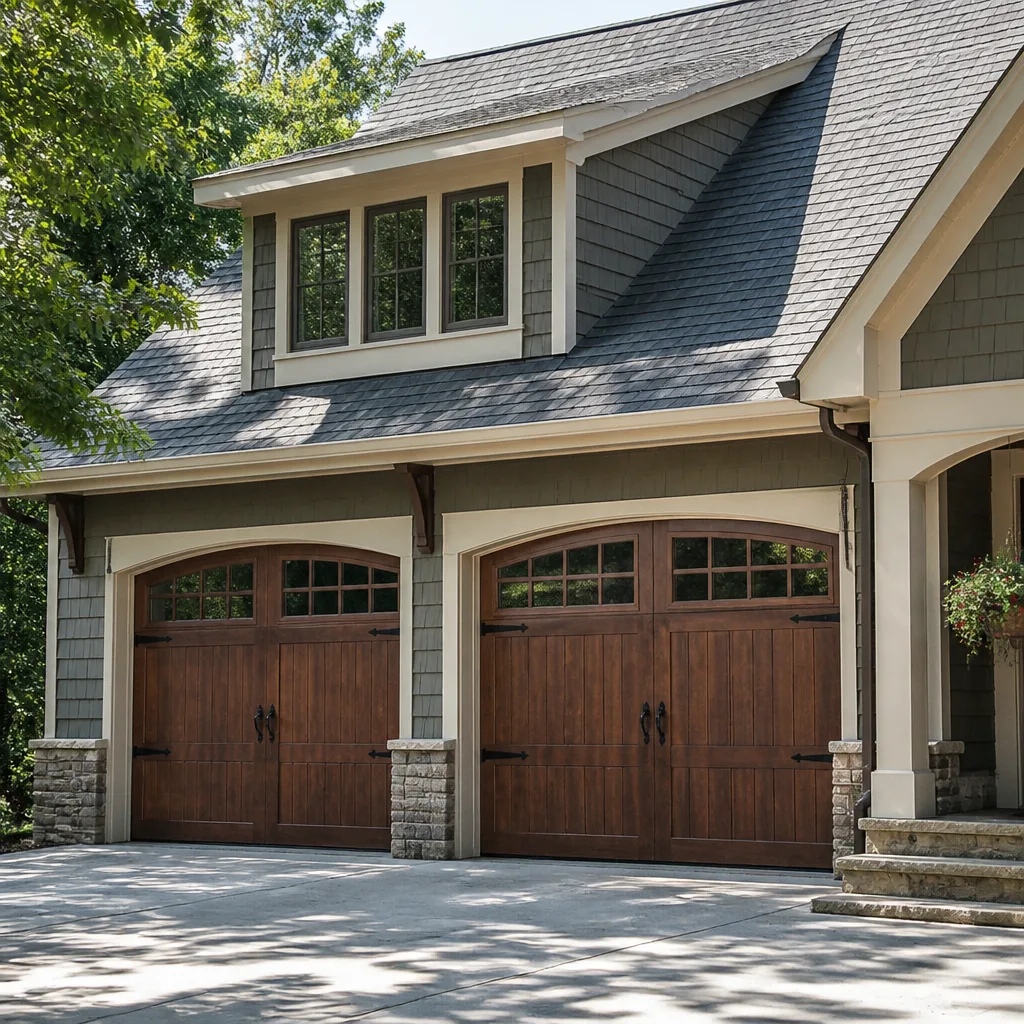 Carriage house
 Modern flush
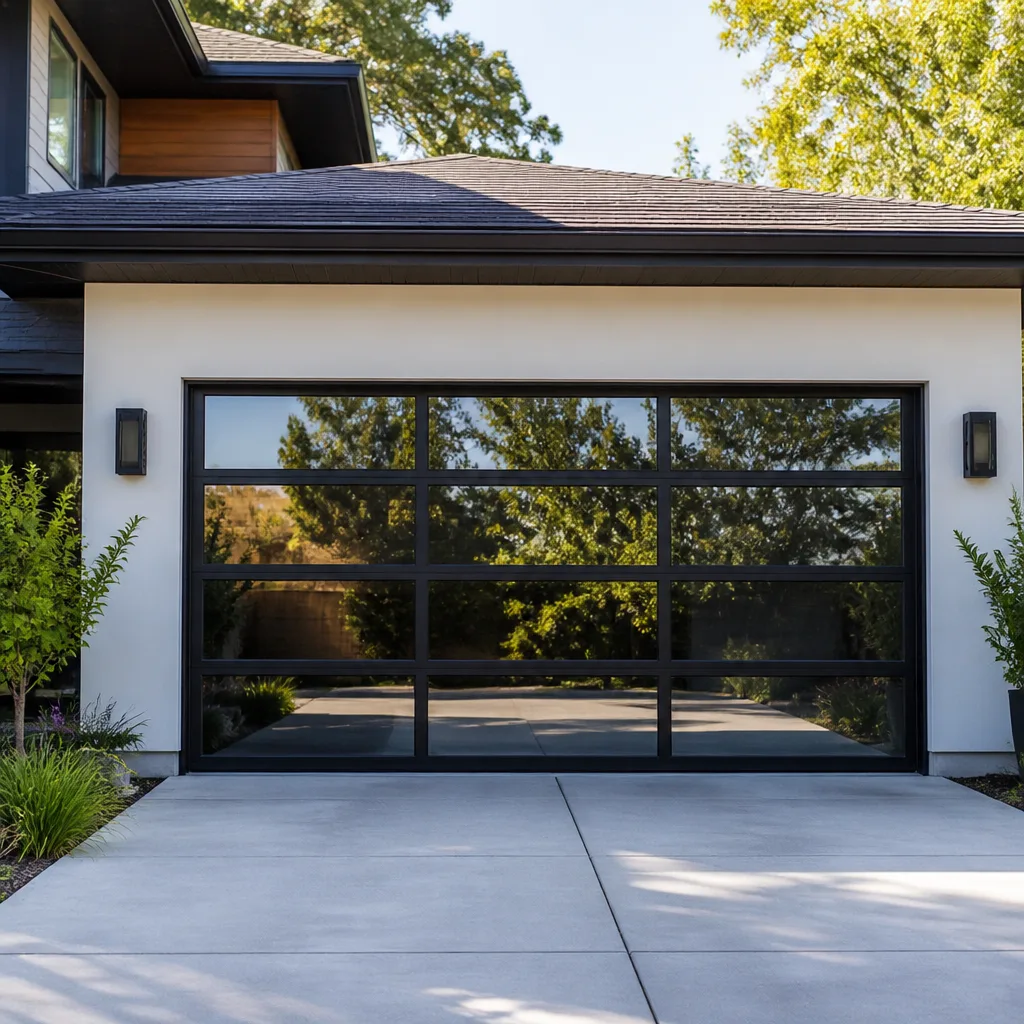 Full-view glass
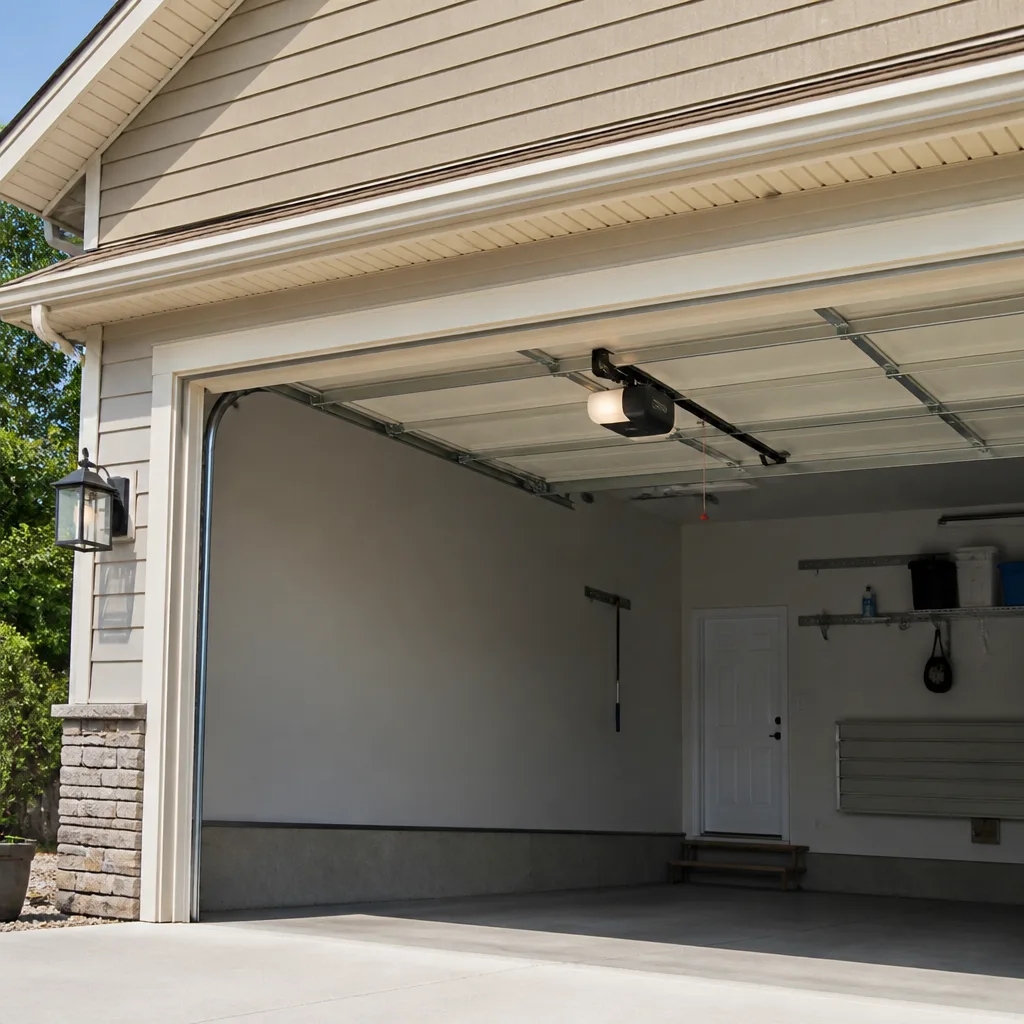 LiftMaster openers
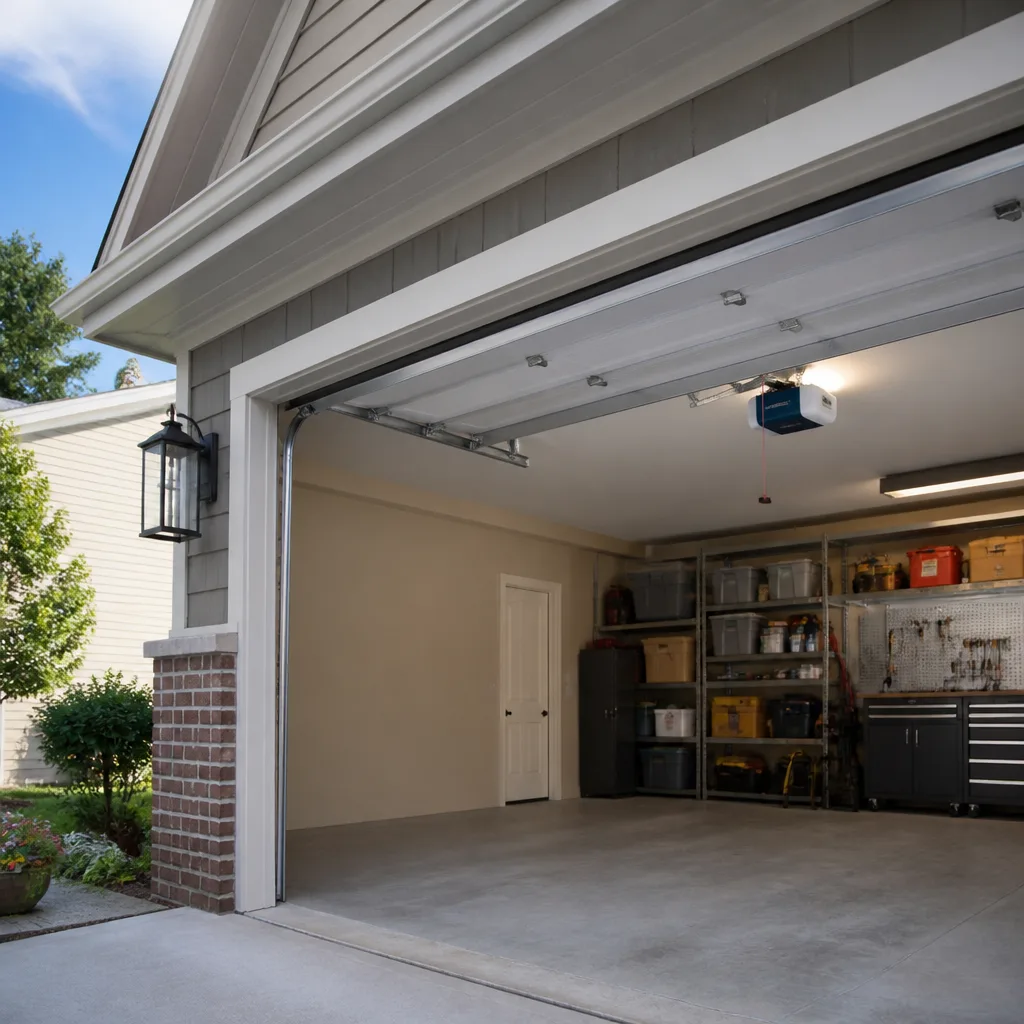 Chamberlain openers
Full 25-point door and opener safety check with every visit - springs, cables, rollers, tracks, and your LiftMaster or Chamberlain opener included
You get a price before we start. It does not change when the pro arrives.
Get your free estimateGarage Door Permits, Codes & Inspections in Auburn, WA: What You Need to Know
Most homeowners assume a garage door is a simple mechanical replacement – a trade contractor swaps the panels, the door goes up and down, and the city never needs to hear about it. That assumption is where resale trouble starts. In Auburn, a new overhead door or a structural change to the opening sits inside Washington State building code requirements, and work done without the right permit can follow the house to the closing table. If a buyer’s inspector flags an unpermitted installation, you can be required to bring the entire opening into current UL 325 and IRC compliance before you sell, at your expense. This guide walks through exactly when Auburn requires a permit, what UL 325 entrapment protection actually demands, how the IRC fire-rating rules touch an attached garage, what a city inspector looks for, and how to permit older work retroactively before you list.
Quick Answer
In Auburn, WA, replacing a garage door with a like-for-like door of the same size and material is generally treated as a minor repair, while installing a new door opening, changing the door size, altering the framing, or adding a new automatic opener typically falls under Washington State building code permit requirements reviewed by the City of Auburn. Any opener installation must meet UL 325 entrapment protection rules, and a door on an attached garage must satisfy IRC Section R302 fire-separation requirements. When in doubt, call the City of Auburn building department before work starts – the answer depends on the scope of your specific job.
Styles & brands we work with
- Raised-panel steel
- Carriage house
- Modern flush
- Full-view glass
- LiftMaster openers
- Chamberlain openers
Table of Contents
- When does Auburn require a permit for garage door work?
- When is garage door work truly exempt?
- What does UL 325 compliance mean for opener installation?
- How does IRC Section R302 affect a door on an attached garage?
- What does a city inspector actually check?
- How do you permit unpermitted work before selling?
- How do you choose a contractor who handles the paperwork?
When Does Auburn Require a Permit for Garage Door Work?
Auburn requires a building permit when the work changes the structure or the opening itself, and generally does not for a straight swap of the same door. The dividing line is scope, not brand. A Clopay door going back into the exact opening it came out of is a repair. Cutting a wider opening, reframing a header, adding a door to a wall that never had one, or converting a carport into an enclosed garage are construction projects that need a permit and an inspection.
The City of Auburn building department reviews residential permits under the Washington State adopted building code, which incorporates the International Residential Code for one- and two-family homes. Because the city adopts the state code with local amendments, the fastest path to a definite answer is a phone call or a permit counter visit with your address and the scope of work written down. Bring the door size, the wall construction, and whether you’re changing the opening.
In our experience, the jobs that surprise homeowners most often are:
- A new door in a new opening. Adding a garage door where a solid wall or a window used to be changes the structural load and always needs review.
- A size change. Going from a single door to a double, or raising the header height, alters framing and requires a permit.
- Framing repairs during a swap. If rot or a cracked header means new lumber, you’ve moved from repair into structural work.
- Opener replacement on an older door. Often no permit is required for the opener alone, but the installation still has to meet UL 325 – more on that below.
If your project is a straight garage door repair of the existing door – a snapped cable, a bent track, a worn roller – the work is a repair and typically needs no permit. The moment the door, its opening, or the framing changes, call the city.
When Is Garage Door Work Truly Exempt?
Maintenance and repair on an existing door are exempt from permitting in Auburn. A spring replacement, a new opener motor on the same rail, a roller and hinge refresh, or a panel swap of the same size and material are all maintenance. None of them change the structure or the opening, so none of them trigger a building permit.
This is where a specialist matters. An honest contractor will tell you when your job does not need a permit and save you the fee, and will pull one when it does. A generalist who never pulls permits is telling you something about how they work, not about the code.
The clear line between exempt repair and permitted installation:
- Exempt: Spring replacement, cable replacement, roller and hinge service, track realignment, opener motor swap on existing hardware, weather seal replacement.
- Exempt: Replacing the door with an identical-size door in the same opening, same material, same operation.
- Permitted: New opening, door size change, header or framing alteration, conversion of a carport or wall to an enclosed garage.
- Check with the city: Structural repair discovered mid-install, a change in how the door operates (manual to automatic, or vice versa), or a change to the fire separation between garage and living space.
For a spring job specifically, know that a matched pair is usually replaced together, so the labor and the part cost roughly double a single spring. That’s a maintenance repair, not a permitted project, but it’s a safety-critical one – our technicians treat garage door spring repair as the most dangerous work in the trade, and we never hand a homeowner a DIY plan for it.
What Does UL 325 Compliance Mean for Opener Installation?
UL 325 is the safety standard every automatic garage door opener sold in the US must meet, and it governs entrapment protection. In plain terms: the opener must be able to detect an obstruction and reverse or stop, and the installation must include the safety features the standard requires for that door’s type. A DIY opener install or an unlicensed contractor who skips the safety beam wiring has installed a door that does not meet current code, even if it opens and closes fine.
The entrapment protection requirements revolve around:
- Photoelectric safety sensors mounted at the door opening, aligned and wired to the opener so the door reverses if the beam is broken.
- Reversal on contact – the door must reverse when it hits an obstruction while closing, with the sensitivity set to detect a reasonable force.
- Constant-pressure or monitored-edge protection depending on the installation type and whether the door is a one-piece or sectional design.
- Monitored safety devices on newer openers – LiftMaster and Chamberlain units in particular now require the sensors to report back to the opener, so a sensor that isn’t wired correctly will simply stop the door from closing.
We work on LiftMaster, Chamberlain, Genie, and Craftsman opener systems and know how each brand handles its safety device wiring and app setup. A Genie installed without the safety beam is a Genie that won’t pass an inspection if one is ever requested. A modern Chamberlain with a missing sensor reports a fault and refuses to close, which is the standard working the way it should.
If your opener is failing or the safety sensors are giving trouble, our garage door opener repair specialists can bring the installation back to spec. The danger here is real: a misaligned safety beam and a door that closes on a child is a documented failure mode of an improper install. This is not a job to guess at.
How Does IRC Section R302 Affect a Door on an Attached Garage?
IRC Section R302 addresses fire separation between a garage and the living space it’s attached to. The requirement in one- and two-family homes is that the wall and ceiling between an attached garage and the house provide a fire-rated separation, typically achieved with specified wall construction, and that any door between the garage and the house (the man-door, not the overhead door) is a proper fire-rated assembly. A garage door on an attached garage that separates the garage from the living space – or a change to the wall assembly that holds it – can touch these requirements, which is why a permit review looks at the whole opening, not just the door.
Most homeowners have never heard of R302, and it’s a common gap in work done without a permit. When the overhead door’s framing or the garage/house separation wall is altered, an inspector will check that the fire-rated assembly wasn’t compromised. On an Auburn home with an attached garage, that means the framing and drywall around the door matter as much as the door itself.
A quick way to prepare:
- Identify the wall assembly between the garage and the house. Note if it’s drywall, its thickness, and whether it’s continuous to the ceiling.
- Check the man-door between garage and house. It should be a fire-rated door, not a hollow interior door.
- Note any penetrations – wiring, plumbing, or ductwork that runs through the separation wall – and flag them to the inspector.
- Keep the door’s framing intact during a swap. If you’re replacing the overhead door and the framing is sound, the separation wall is usually untouched.
When in doubt about whether your project touches the fire separation, ask the City of Auburn building department. The wrong answer here can require rework after the drywall is already up.
What Does a City Inspector Actually Check?
An inspector checks that the work matches the approved plan and that the installed assembly meets the adopted code. They are looking for structural, safety, and fire-separation compliance, not whether the door matches your paint. A clean inspection is mostly about documentation and preparation.
The parts of the installation an inspector will focus on:
- The opening and framing – header size, jamb construction, and that the wall assembly matches the approved drawing.
- The door and its attachment – that the door is mounted to sound framing and the tracks are plumb and level.
- The opener and safety devices – that the opener is UL 325 compliant and the photoelectric sensors are installed and wired to reverse at the opening.
- Fire separation (attached garage) – the R302 wall and any door between garage and house.
- Permit and documents – the posted permit and the final sign-off sheet.
To prepare for a city of Auburn garage door inspection in Auburn:
- Post the permit at the job site before work starts, and keep a copy of the approved plan on hand.
- Confirm the opener’s safety sensors are aligned and the door reverses on contact before the inspector arrives.
- Leave the framing and any fire-separation wall exposed until the rough inspection passes, if your permit requires one.
- Have the installer’s contact and the door and opener model information available.
- Ask for the inspection to be scheduled only when the work is complete and tested.
Our own installers walk a door through these checks before we call for inspection, so there’s no second trip. A copy of the final sign-off should go in your home records, not a drawer – buyers ask for it.
How Do You Permit Unpermitted Work Before Selling a Home?
You can permit unpermitted garage door work before selling by applying to the City of Auburn for the appropriate permit as if the work were new, then having the completed installation inspected for code compliance. The city will review the work against the current adopted code, and if it’s compliant, you get a permit and a sign-off that satisfies a buyer’s inspector. If it isn’t, the city will tell you what has to change.
The steps for a retrofit:
- Document what exists. Take photos of the door, the opening, the framing, the opener, and any safety sensors. Note the door size and material, and the opener brand and model.
- Call the City of Auburn building department. Explain that you have existing, unpermitted garage door work and want to permit it. Ask what they require for an as-built review.
- Get an inspection. The city will send an inspector to compare the installation to current code – structure, opener safety devices, and fire separation on an attached garage.
- Fix what doesn’t comply. A UL 325-compliant opener with wired safety sensors is often the biggest gap in a DIY install. A contractor can bring it to spec.
- Collect the sign-off. Keep the permit and the inspection record with the home’s documents. Disclose the permitted status if your listing requires it.
It’s easier to fix this before you list than during a closing. In our experience, the delay belongs to the unpermitted job, not the retrofit itself – once an inspector sees compliant work, the paperwork follows.
How Do You Choose a Contractor Who Handles the Paperwork?
Choose a contractor who pulls the permit as part of the job and who can show you a finished installation. A contractor who resists permits because “it’s just a door” isn’t doing the work the code requires, and you’ll own that risk at resale. The right specialist brings the paperwork, the inspection coordination, and a written price – before a screwdriver comes out.
What to look for:
- They ask the scope question first. A specialist wants to know what’s changing, not just what’s broken, because that determines the permit.
- They name the brands they know. Clopay, Amarr, Wayne Dalton, Raynor, and the LiftMaster, Chamberlain, Genie, and Craftsman opener lines are the installations most Auburn homes have, and a contractor fluent in them won’t be learning on your door.
- They put the price in writing. The written estimate sets the final price, and the price is quoted and agreed before any work starts.
- They handle the inspection. A specialist schedules and meets the inspector, and you get the sign-off record.
- They’re upfront about what’s excluded. Framing repairs, drywall, or fire-separation work discovered mid-install may be a separate scope item – ask.
Our full-service capability – repair, opener repair, spring repair, and full new-door installation – means one company handles the whole job, from the diagnosis to the final inspection. That’s fewer handoffs and clearer accountability when a permit is involved. If you’re sizing up a new door, start with the Auburn Garage Door Repair Pros team to get a scope and a price before you call the city.
Common Mistakes to Avoid
- Assuming every door swap is exempt. A like-for-like replacement usually is, but the moment the opening, the framing, or the door size changes, the project is a permitted installation. Confirm the scope with the City of Auburn before cutting anything.
- Skipping the permit and “getting to it later.” Unpermitted work surfaces at inspection during a sale, and retroactive permitting is far easier before a closing deadline is on you. Do it while you still own the house and can schedule the work on your terms.
- Installing an opener without the safety sensors wired. A UL 325 compliant install means the photoelectric sensors work and the door reverses on contact. A door that closes fine but never stops is a code violation and a genuine hazard around kids and pets.
- Ignoring IRC R302 on an attached garage. Homeowners rarely know this, and contractors who don’t pull permits never mention it. If the separation wall or its door has been compromised, an inspector will find it.
- Handing the opener to a generalist who is guessing. Modern openers from LiftMaster and Chamberlain require the safety devices to report back to the unit, and a general handyman who wires them wrong leaves you with a door that won’t close or, worse, one that closes on an obstruction.
- Not keeping the inspection record. A final sign-off tucked in a drawer is lost when you list. Keep the permit and the inspection sheet with your home records and disclose the work.
- Trusting a contractor who says the city “doesn’t check.” Auburn does review residential work, and the buyer’s inspector works for the buyer, not for the contractor who skipped the permit. Ask for the permit number before the work begins.
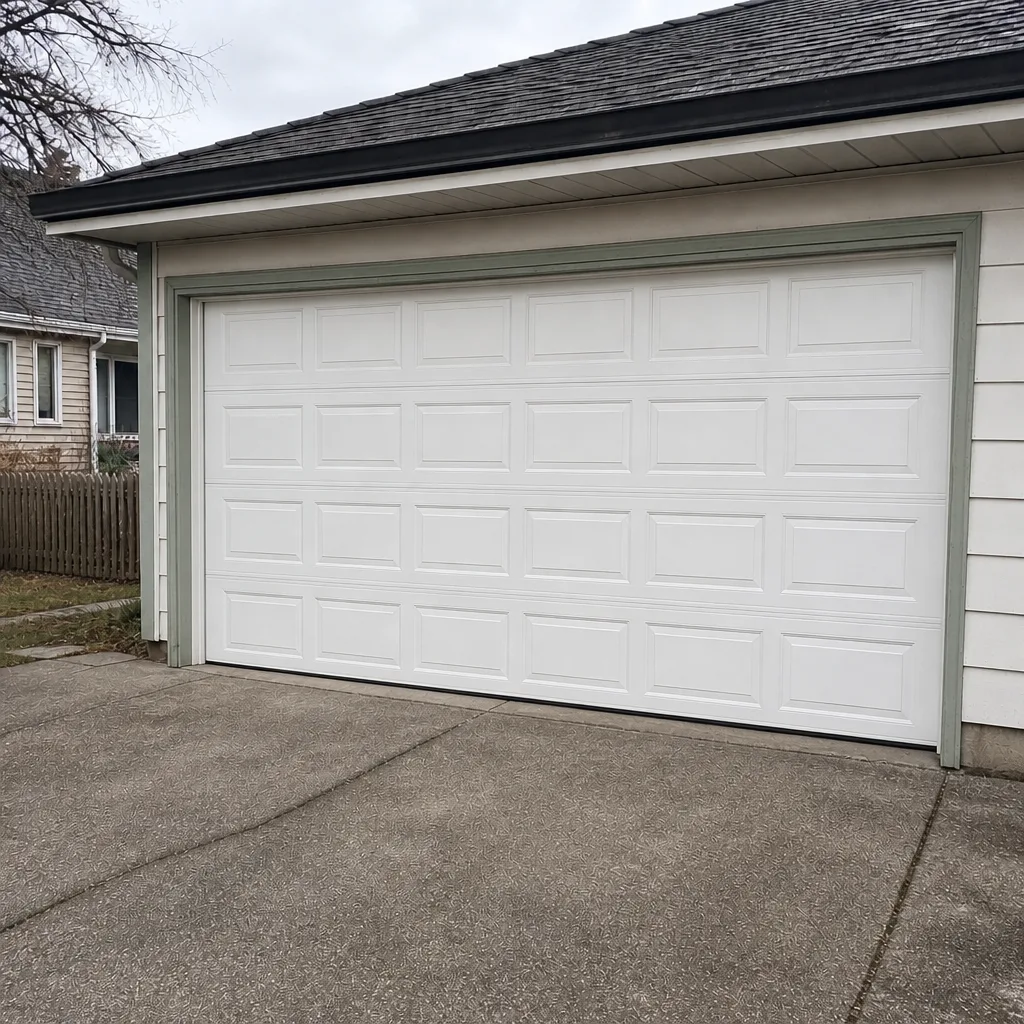
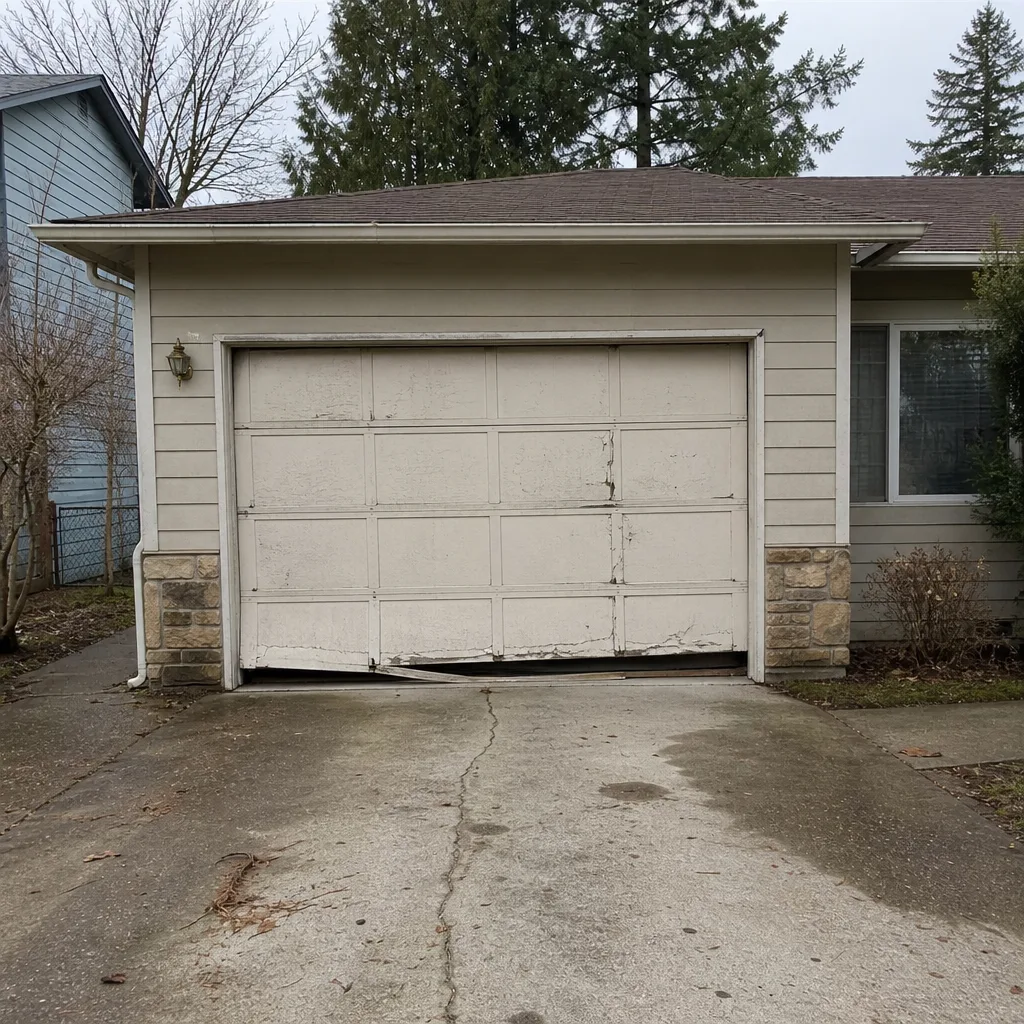
See the difference
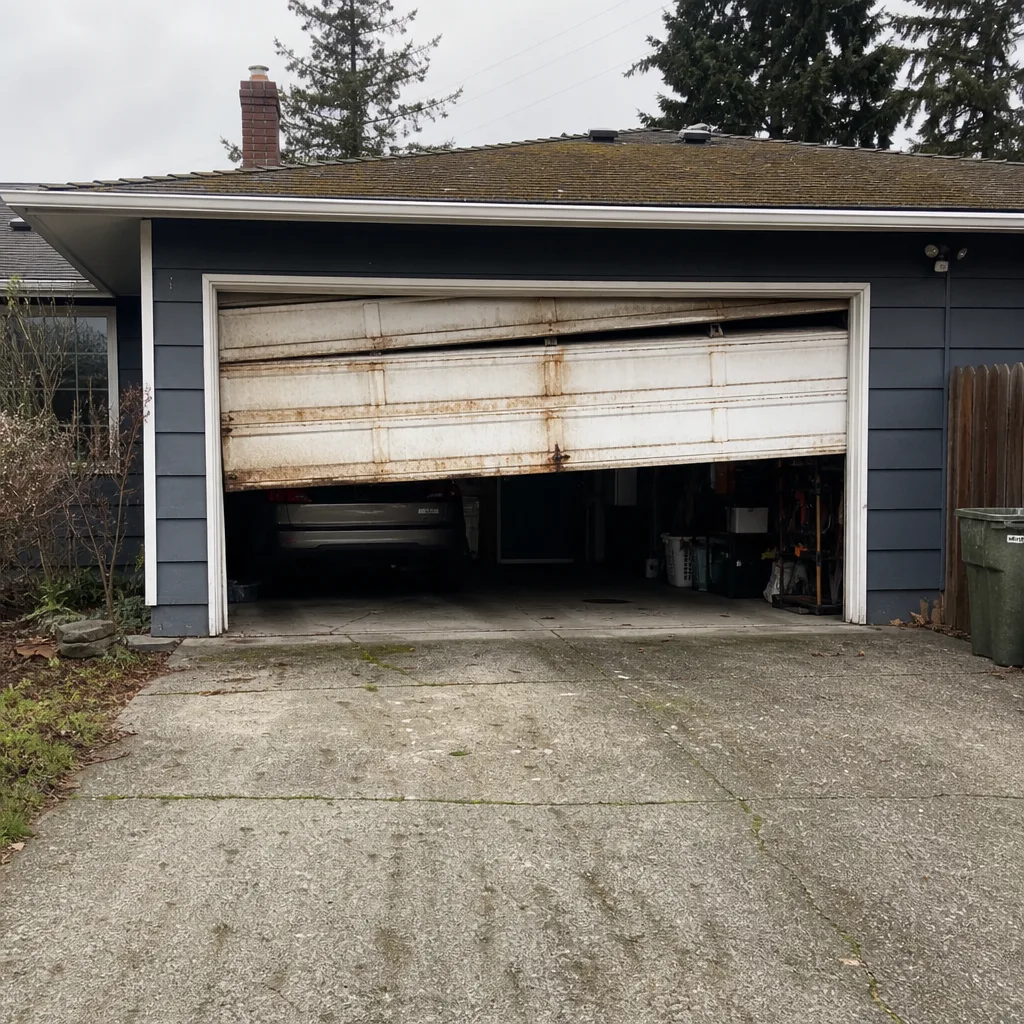 Before
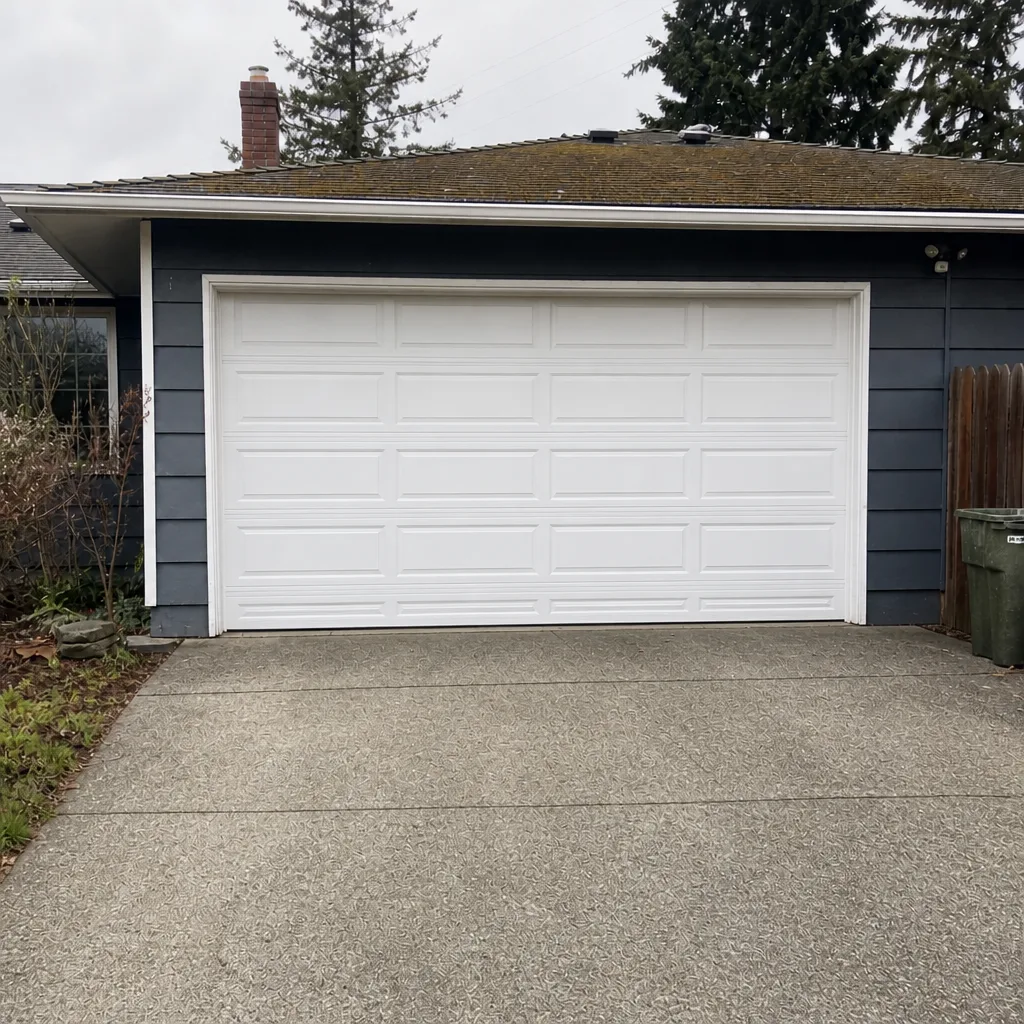 After
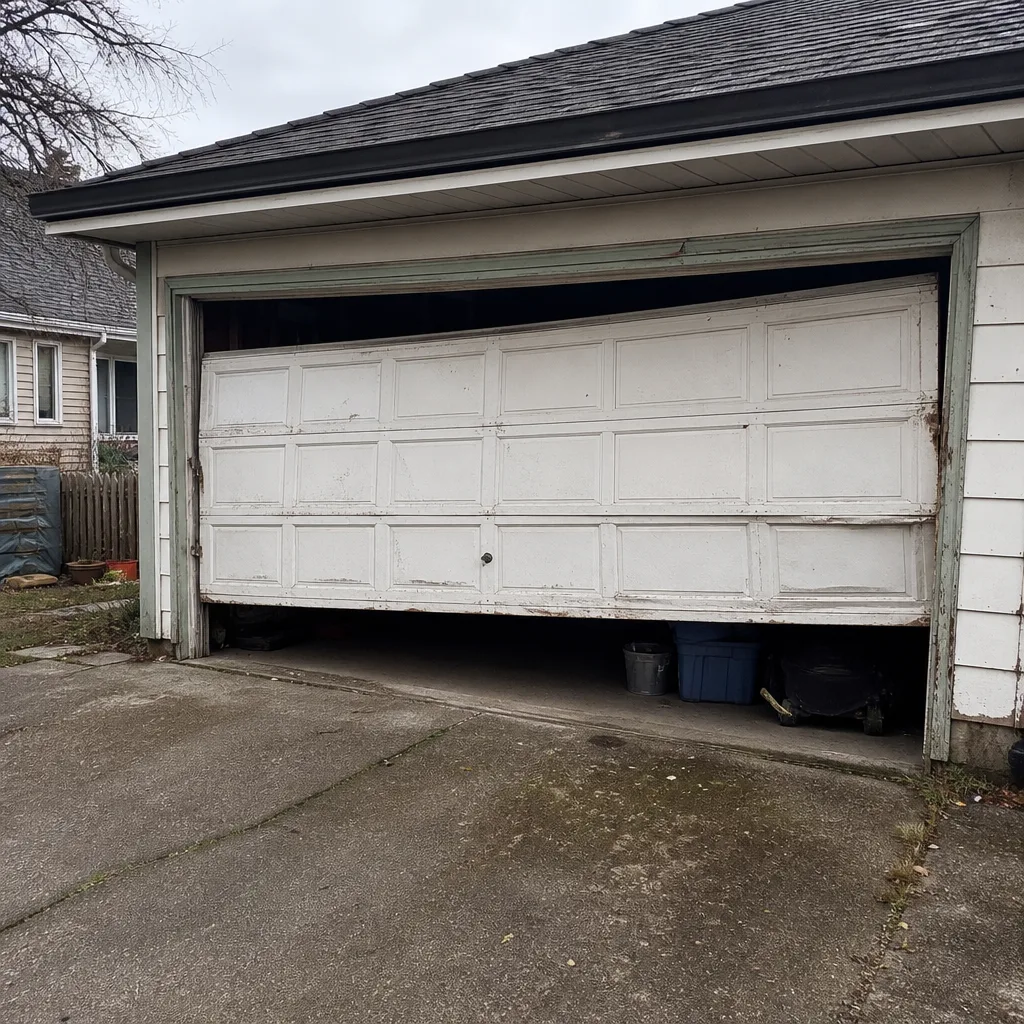 Before
 After
 Before
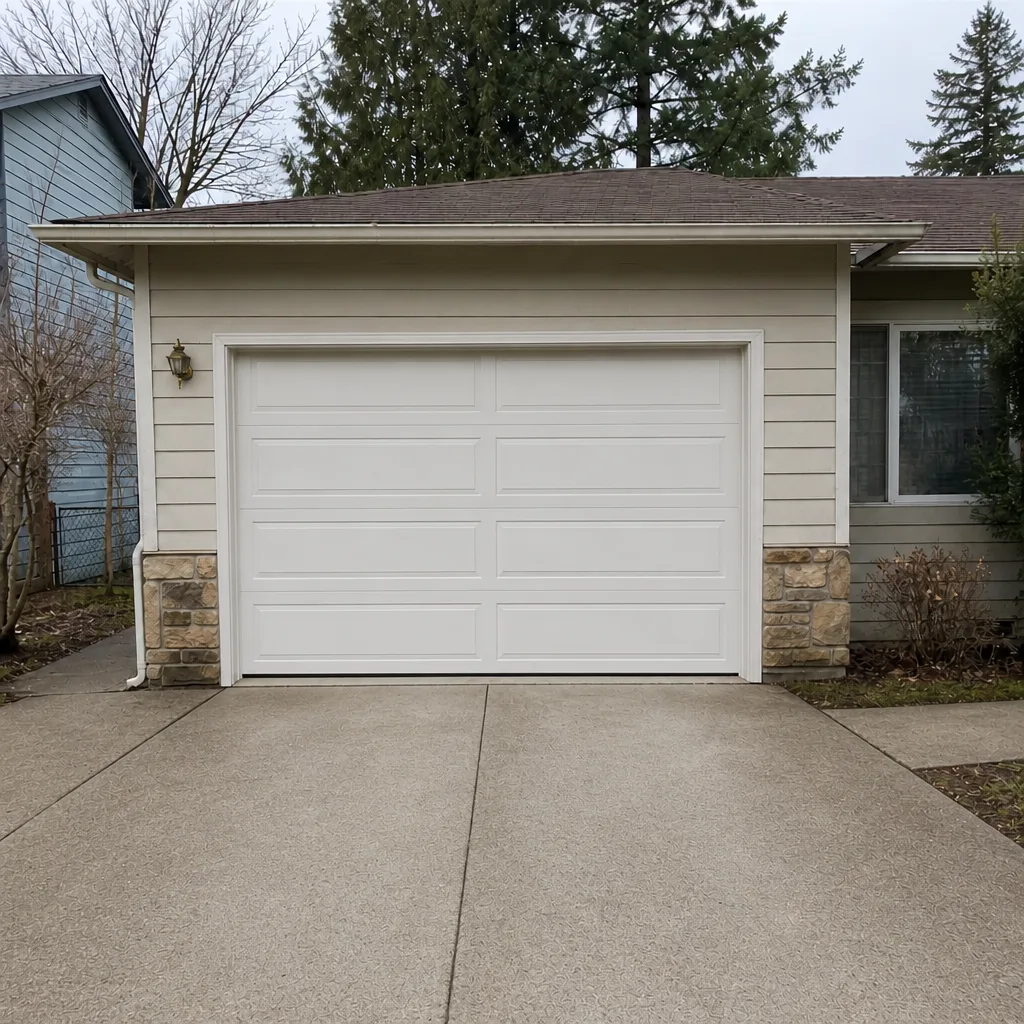 After
When to Call a Professional
Call a professional for anything involving a spring, a cable under tension, an opener that won’t reverse on contact, or a structural change to the door opening. Those are exactly the jobs where the code requirements and the safety risk line up: a UL 325 compliant opener needs to be installed and tested correctly, and a spring under tension is not a repair to attempt. A specialist also knows the permit question without guessing. Auburn Garage Door Repair Pros offers free estimates in Auburn – call (877) 792-5887. The written estimate sets the final price, quoted and agreed before any work starts, and our technicians have up to 10 years of experience with the brands most Auburn homes have.
Frequently Asked Questions
Usually not, if the replacement is the same size and material in the same opening – that’s a repair. You do need one when you’re changing the opening, altering framing, adding a new door, or changing the door size. Call the City of Auburn building department with your address and scope to be sure.
An opener replacement on existing hardware is generally treated as maintenance and typically needs no separate building permit, but the installation must meet UL 325 entrapment protection requirements. A new opener installed without working safety sensors is out of compliance even if it runs. Call (877) 792-5887 for an exact quote on a compliant install – estimates are free.
The inspector verifies the door and opening against the approved plan, checks the opener and safety devices meet UL 325, and – on an attached garage – checks the IRC R302 fire separation. Have the permit posted, the sensors tested, and the framing accessible if rough inspection is required. The inspector is checking code compliance, not cosmetics.
You can, but a buyer’s inspector will likely flag it, and the fix usually falls on you before closing. The clean path is to permit the work and get it inspected before you list, so the sign-off goes with the sale. Call us for an inspection prep and a scope of any fixes – estimates are free.
UL 325 requires the opener to detect an obstruction and reverse or stop, and the photoelectric safety sensors are the primary device that does it. Modern LiftMaster and Chamberlain openers require the sensors to be installed and wired to report back to the unit. A door that closes with the beam broken is not compliant and is a real hazard around children and pets.
The written estimate sets the final price, quoted and agreed before any work starts, so the number you agree to is the number you’re charged. A mid-job discovery of rot or compromised framing is a separate scope item we’ll price with you before touching it. Call (877) 792-5887 for a free estimate – no surprises once the door is on the rail.
The Bottom Line
Auburn treats the line between a garage door repair and a garage door installation as a scope question. Same door, same opening, same material: repair, no permit. New opening, size change, framing work, or a change in operation: permit, inspection, and a compliant install. The two code points homeowners miss most are UL 325 entrapment protection on the opener and IRC R302 fire separation on an attached garage, and both come up at a buyer’s inspection. Get the permit before you start, keep the sign-off with your records, and use a specialist who knows the brands and the code.
Written by the team at Auburn Garage Door Repair Pros.