Last updated November 21, 2026
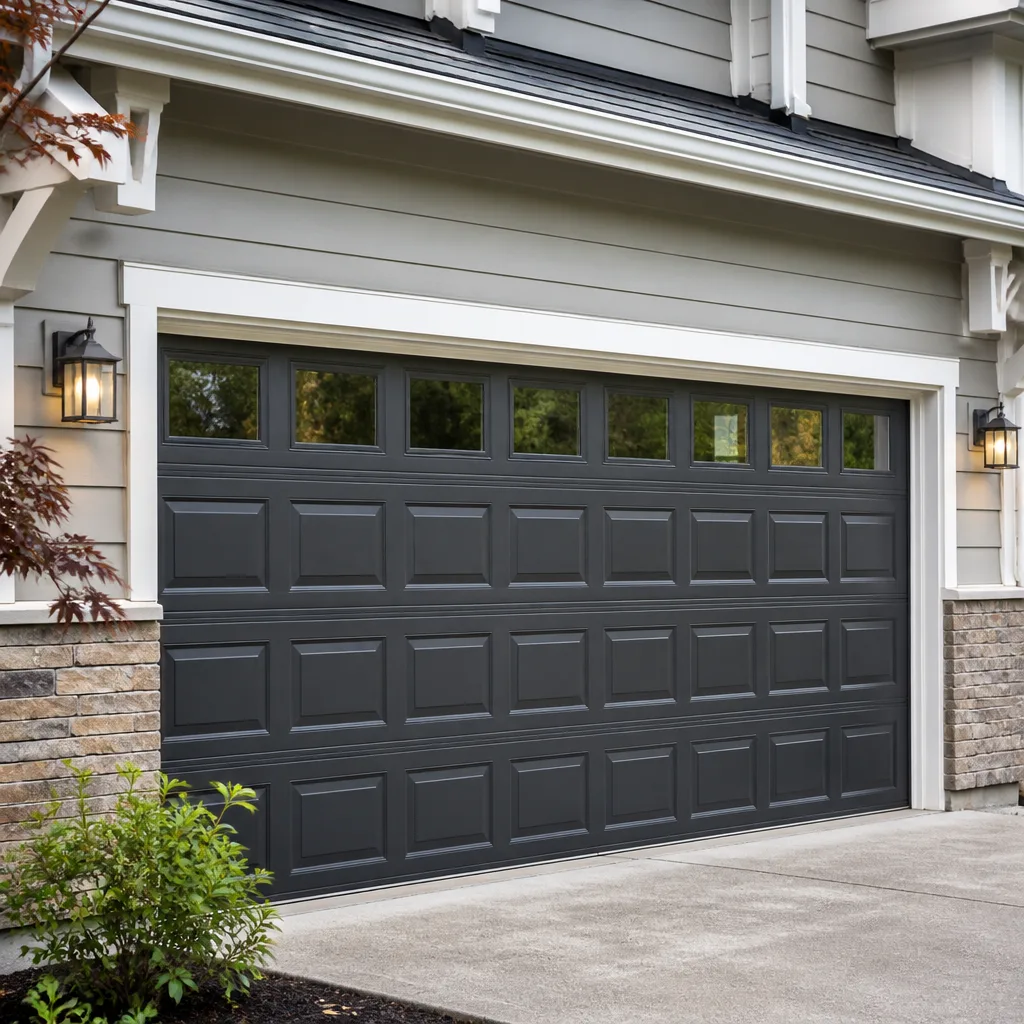 Raised-panel steel
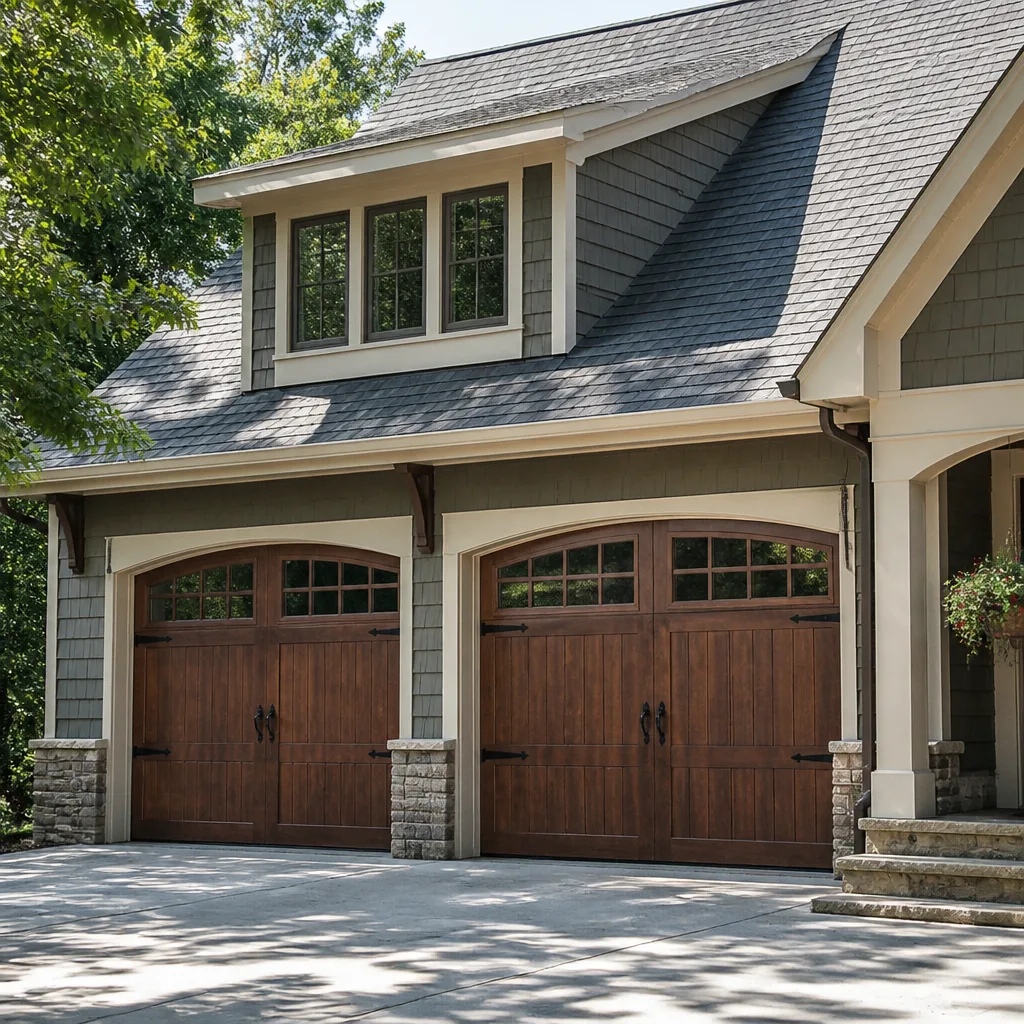 Carriage house
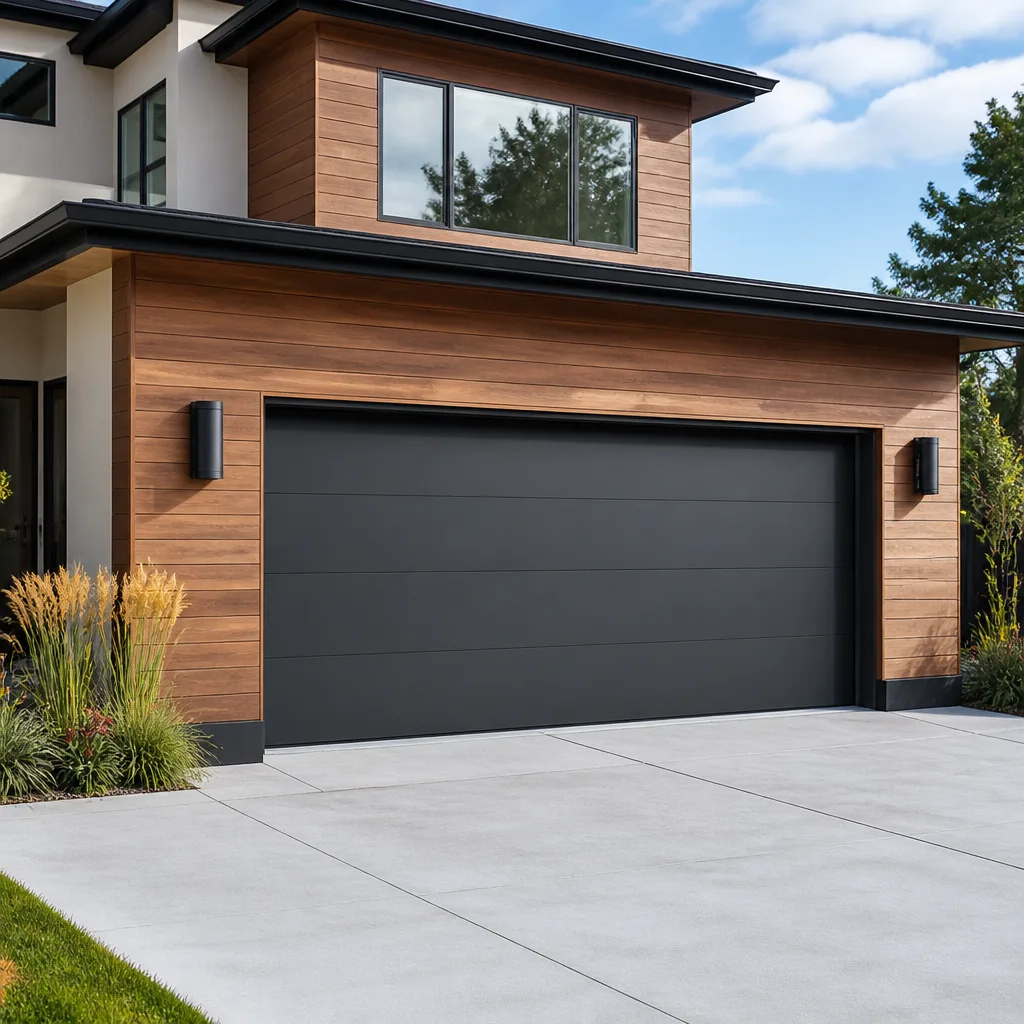 Modern flush
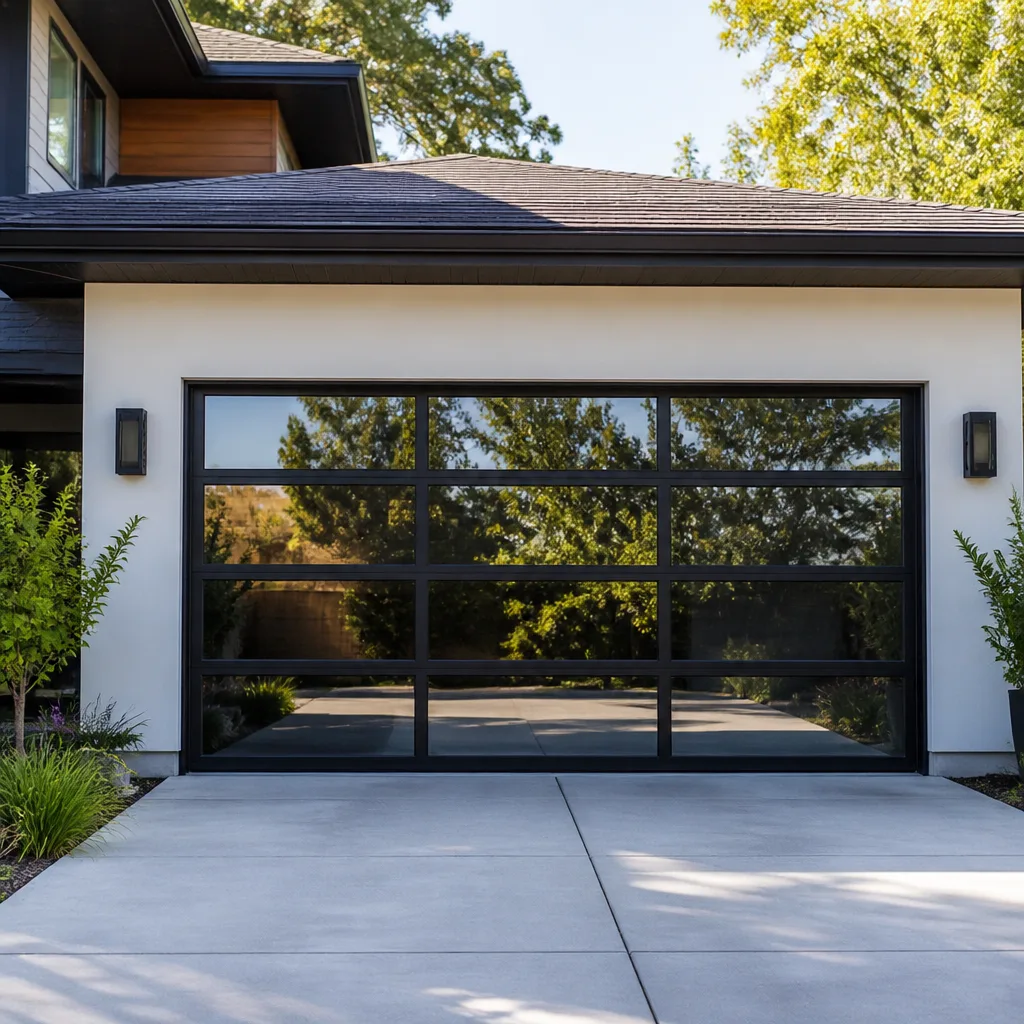 Full-view glass
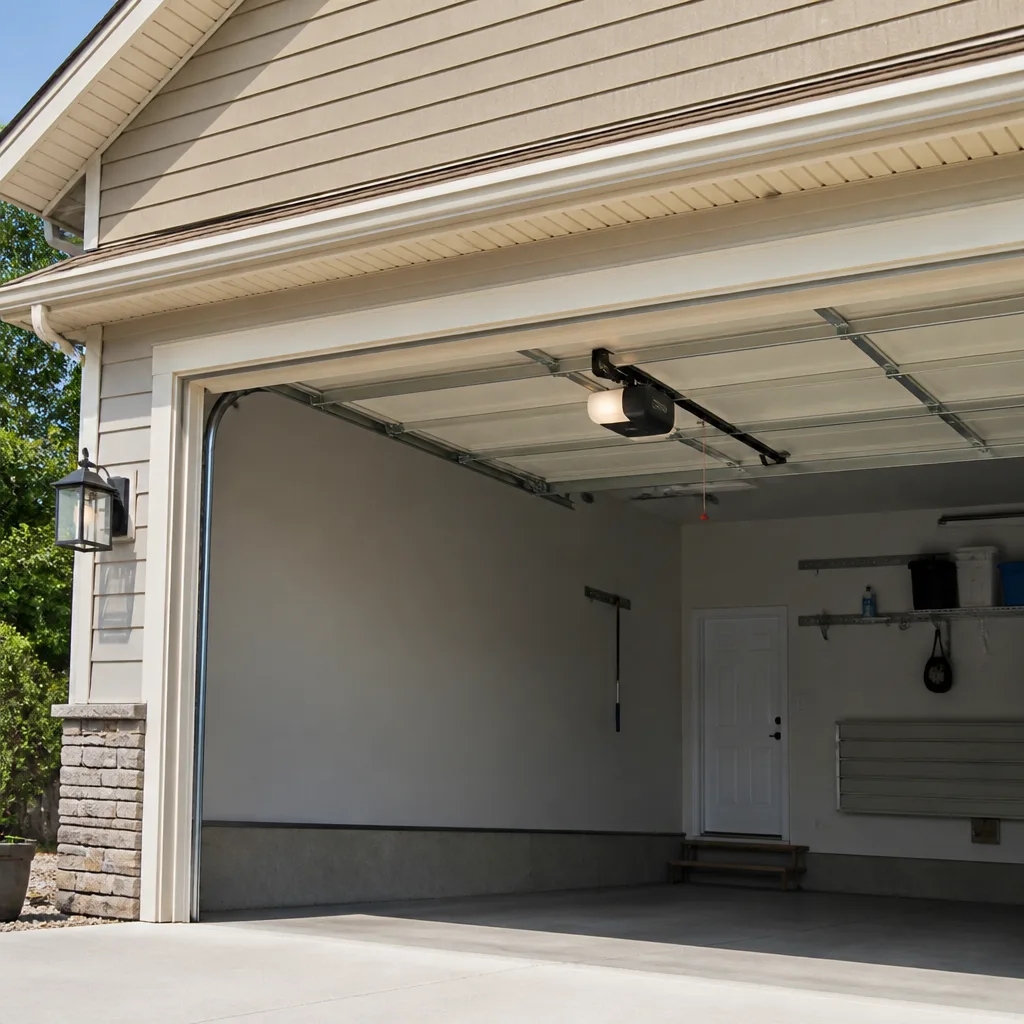 LiftMaster openers
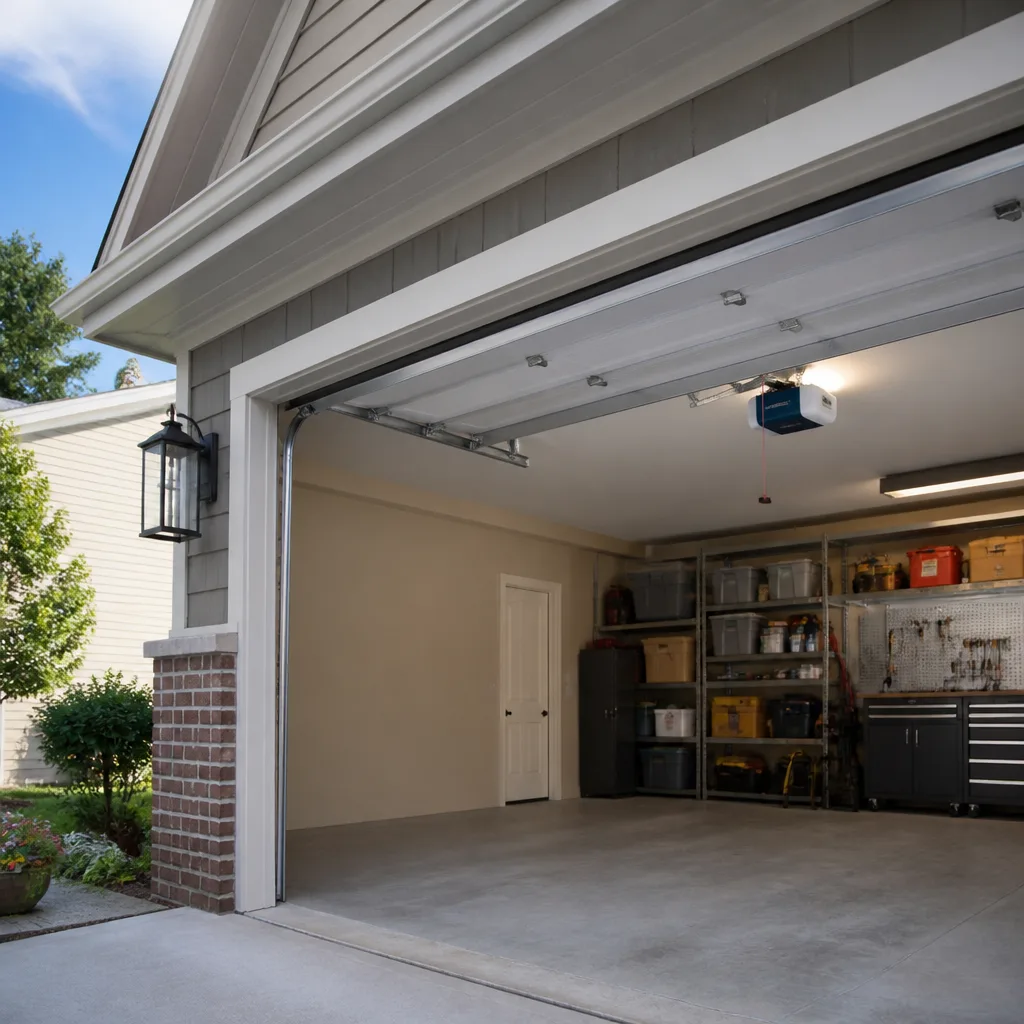 Chamberlain openers
Full 25-point door and opener safety check with every visit - springs, cables, rollers, tracks, and your LiftMaster or Chamberlain opener included
You get a price before we start. It does not change when the pro arrives.
Get your free estimateHow to Hire a Garage Door Contractor in Auburn: A Step-by-Step Guide
Most people hire a garage door contractor the way they hire a plumber: whoever answers the phone first and quotes a number that sounds reasonable. That works fine for a running toilet. It’s the wrong approach for a torsion spring holding several hundred pounds of tension, or an opener that has to be matched to a specific door weight and track geometry.
The gap between a dedicated garage door specialist and a general handyman with a business card shows up months later, not on the invoice. It shows up as the wrong spring gauge, a door that slams, or a motor that burns out early. This guide walks you through five questions that separate real specialists from improvisers, how to verify licensing and insurance in Washington, how to read an estimate line by line, and what labor and parts warranties actually cover. By the end you’ll know exactly what to ask a contractor in Auburn before you schedule anything.
Quick Answer
To hire a garage door contractor in Auburn, ask five technical questions before scheduling: what brand systems they work on, how they size a replacement spring, whether they handle springs and openers in-house, how they diagnose an opener that won’t respond, and what their written estimate includes. Verify the contractor’s Washington registration, bonding, and insurance through the state before any work begins, and insist on a written estimate with itemized parts and labor. A dedicated specialist answers all five without hesitation; a general handyman deflects.
Styles & brands we work with
- Raised-panel steel
- Carriage house
- Modern flush
- Full-view glass
- LiftMaster openers
- Chamberlain openers
Table of Contents
- The Five Questions That Separate Specialists From Handymen
- Licensing, Bonding, and Insurance in Washington: What They Cover and How to Verify
- Why Brand Fluency Matters: LiftMaster, Chamberlain, Genie, and Raynor
- How to Read a Written Estimate Like a Professional
- Labor Warranty vs. Manufacturer Warranty: Why You Need Both
- Spring Work and Safety: What a Qualified Contractor Does Differently
- What Auburn’s Wet Climate Means for Your Door and Hardware
- When to Call a Professional
The Five Questions That Separate Specialists From Handymen
You can learn more from five questions than from any review site. Ask each one before you schedule, and listen for how quickly and specifically the person answers. A specialist talks in details. Someone guessing talks in generalities.
- Which brands do you work on regularly? A dedicated garage door contractor works across multiple manufacturers. Listen for names like LiftMaster, Chamberlain, Genie, and Raynor. A vague “we work on all of them” from someone who can’t name two suggests the answer is really “whatever’s in front of me.”
- How do you size a replacement spring? The answer should mention door weight, wire gauge, and cycle life, plus the difference between torsion and extension springs. Anyone who says “we just match the old one” hasn’t thought about it. The old spring may have been wrong to begin with.
- Do you handle springs, openers, and installs yourself, or do you subcontract? One company handling the whole job means one diagnosis, one estimate, one call if something’s off. A handyman who refers the hard parts out leaves you coordinating three people for one door.
- How do you diagnose an opener that won’t respond? A specialist asks about the wall button, the safety sensors, the remote, and the door balance before touching the motor. Someone who jumps straight to “you need a new opener” is selling, not diagnosing.
- What’s in your written estimate? The right answer names specific line items: parts, labor, and tax. The wrong answer is a single dollar figure over the phone with no idea what it covers.
If a contractor gets defensive about any of these, that’s your answer. The technicians at Auburn Garage Door Repair Pros answer all five without a pause, and so should anyone you call in Auburn.
Licensing, Bonding, and Insurance in Washington: What They Cover and How to Verify
Washington requires contractors to register with the state, carry a surety bond, and hold general liability insurance. Those three things protect you in ways that aren’t obvious until something goes wrong.
The registration confirms the business is legally allowed to operate as a contractor in Washington and has paid the required fees. The surety bond is a small pool of money you can claim against if the contractor fails to perform or violates the contract. It’s not a big payout, but it’s there for consumer protection. The general liability insurance covers property damage the contractor causes while working, which matters when a heavy door panel gets damaged or a vehicle in the driveway is hit by falling hardware. Workers’ compensation insurance covers the contractor’s employees if they’re injured on your property, and it protects you from being pulled into a claim.
Here’s how to verify all of it in under two minutes:
- Look up the contractor on the Washington State Department of Labor & Industries contractor verification page. You can search by business name or registration number.
- Confirm the status is “active” and that the trade listed matches garage door work.
- Check that the insurance and bond information on file is current, not expired.
- Ask the contractor for a certificate of insurance and compare the policy dates and company name to what the state shows.
This is a two-minute check that filters out a surprising number of people operating without proper coverage. Any contractor who hesitates to give you their registration number is telling you something. For residents in Auburn and throughout south King County, the verification habit is worth building into every call, whether it’s for garage door repair or a full new-door project.
Why Brand Fluency Matters: LiftMaster, Chamberlain, Genie, and Raynor
A contractor who only sells one brand of opener or one make of door has a financial reason to steer you toward it. That’s not necessarily dishonest, but it does mean the recommendation isn’t driven purely by what your door and opener setup actually needs.
Brand fluency matters because garage door systems are not interchangeable. A LiftMaster opener has different logic board diagnostics than a Chamberlain, even though the parent company overlaps. Genie’s rail and carriage designs differ from Raynor’s heavier commercial-grade residential systems. A contractor who has worked extensively with all four knows which failure patterns are brand-specific and which are universal. That shortcut saves you diagnostic time and repeat visits.
Specific things a brand-fluent contractor considers:
- Logic board diagnostics. Each brand codes its error signals differently. Reading the code correctly is the difference between replacing a twenty-dollar part and replacing a whole unit.
- Safety sensor compatibility. Sensor types vary, and mixing them with the wrong opener can cause phantom reversals or a door that won’t close at all.
- Door weight and opener rating. Matching a new opener to an existing door requires knowing the door’s actual weight, not just its size. A Raynor panel door with insulation can be substantially heavier than a basic Clopay model of the same width.
- App and Wi-Fi setup. Most modern openers from LiftMaster and Chamberlain connect to home networks and phone apps. General handymen often avoid these because setup troubleshooting takes real familiarity.
Auburn homeowners with newer opener systems should ask specifically about Wi-Fi and app-based controls. If the answer is “we’ll figure it out,” you’re about to pay for someone’s learning curve. Our technicians at Auburn Garage Door Repair Pros work across LiftMaster, Chamberlain, Genie, Raynor, Clopay, Amarr, Wayne Dalton, and Craftsman because we’ve built fluency across the brands most homes actually have installed.
How to Read a Written Estimate Like a Professional
A professional estimate has line items. A vague one-page total with a single dollar figure and no breakdown is a warning sign, because it leaves every detail negotiable after the work is done. Here’s what a solid written estimate looks like for common jobs:
- Spring replacement (per spring): Typically $180 to $340 for one spring; a matched pair costs roughly twice that because springs are replaced together.
- Opener repair or replacement: Typically $150 to $500 depending on whether it’s a repair or a new unit and what brand you choose.
- New door installation: Varies widely by door type, size, insulation, and brand. Expect a written measure and a formal quote, not a phone number.
- Emergency or after-hours service: Ask how emergency rates are structured before you need one.
Every estimate should also spell out:
- The exact parts being used, including brand, model, and gauge or size where relevant.
- Labor broken out separately from parts.
- Whether the price includes hauling away the old springs, door, or hardware.
- Any permit fees, if your city requires one for the work (check with Auburn’s building department on this).
- A clear statement that the price in writing is the price you pay, agreed before work starts.
That last point is the one to nail down first. The second question after “what’s the problem?” should be “what’s the all-in written price before anyone starts.” The written estimate is the price. Not the phone quote, not the verbal ballpark.
Labor Warranty vs. Manufacturer Warranty: Why You Need Both
Two warranties should be on the table for any garage door work: the manufacturer’s warranty on the parts, and the contractor’s warranty on the labor. They cover different things and both matter, especially in a wet climate like Auburn’s.
The manufacturer warranty covers defects in the parts themselves. Springs, openers, panels, and hardware all come with coverage from the brand. A LiftMaster opener has a warranty period that differs by component; a torsion spring may have a cycle-life warranty. These are useful when a part fails prematurely, but they don’t help if the part was installed incorrectly.
The labor warranty is the contractor’s own guarantee on their workmanship. If a spring fails because it was torqued wrong, or an opener is miswired, or a sensor is misaligned, the labor warranty is what gets someone back out to fix it. Without a stated labor warranty, you have manufacturer coverage for a defective part that was installed badly, and no coverage for the installation itself.
Ask both of these questions up front:
- How long is the labor warranty, and does it cover spring tension and opener installation errors specifically?
- What’s the manufacturer’s warranty period on the specific parts being installed?
- What happens if the same problem returns within the warranty window?
In Auburn’s climate, where moisture is constant through fall and winter, hardware failures tend to surface within the first heavy-wet season. A solid labor warranty protects you across that window. Ask the question, get the answer in writing, and keep it with your estimate.
Spring Work and Safety: What a Qualified Contractor Does Differently
Torsion spring work is the most dangerous job in this trade, and it’s where the difference between a specialist and a handyman hurts the most. A torsion spring is wound to hold several hundred pounds of tension. If it releases unexpectedly during installation or adjustment, the stored energy can cause serious injury. Cables and drums under load are just as dangerous.
A qualified contractor:
- Uses the correct winding bars and follows the manufacturer’s torque and tension spec, not a guess.
- Checks the door’s actual weight and matches the spring gauge and cycle rating to it.
- Replaces springs as a matched pair when the door is built for it, because mismatched springs wear unevenly.
- Inspects cables, drums, and end plates while the door is open, since a failing spring often stresses these parts.
- Tests balance, travel, and safety reverse before considering the job complete.
A handyman may skip the weight check and simply match the old spring, which fails to account for the door drifting out of spec over the years. That’s how a door that worked fine comes back with the wrong spring tension, uneven travel, or a spring that breaks early. Our garage door spring repair work is built around precision and safety because this is the exact job that punishes shortcuts.
If you’re facing a broken spring right now, don’t try to wind, cut, or unhook the spring yourself. Call a professional. The tension is not manageable by hand, and a mistake is genuinely dangerous.
What Auburn’s Wet Climate Means for Your Door and Hardware
Auburn sits in the Green River Valley, west of the Cascades, which means long wet seasons, moderate temperatures, and plenty of moisture hitting exterior hardware. Garage doors face that moisture head-on, so a contractor who works regularly in this climate knows what to look for.
Practical things that affect garage door systems here:
- Steel hardware and fasteners. Unpainted or low-grade steel gets surface rust quickly. A contractor working in Auburn should look at hinges, rollers, and track bolts, not just the spring.
- Wood door maintenance. A wood door on a south-facing wall holds up much better than one on a shaded north side, where moisture lingers. Valley homes with trees nearby often face more fungal growth on lower panels.
- Lubrication schedules. A dry garage door in summer still needs lubrication before the wet season returns. Rollers, hinges, and springs all benefit from routine lubrication to keep water and grit out of the moving parts.
- Track and threshold drainage. Water pooling at the door bottom, or a threshold that sits below the finish grade, adds wear to bottom seals and door panels over time.
- Seasonal balance checks. Cold snaps make metal contract, and doors that were marginally balanced in fall may drag or slam in winter.
When you’re hiring a contractor in Auburn, ask what they look for on a wet-climate inspection. A specialist will have a real answer. Someone who works in this region only occasionally won’t.
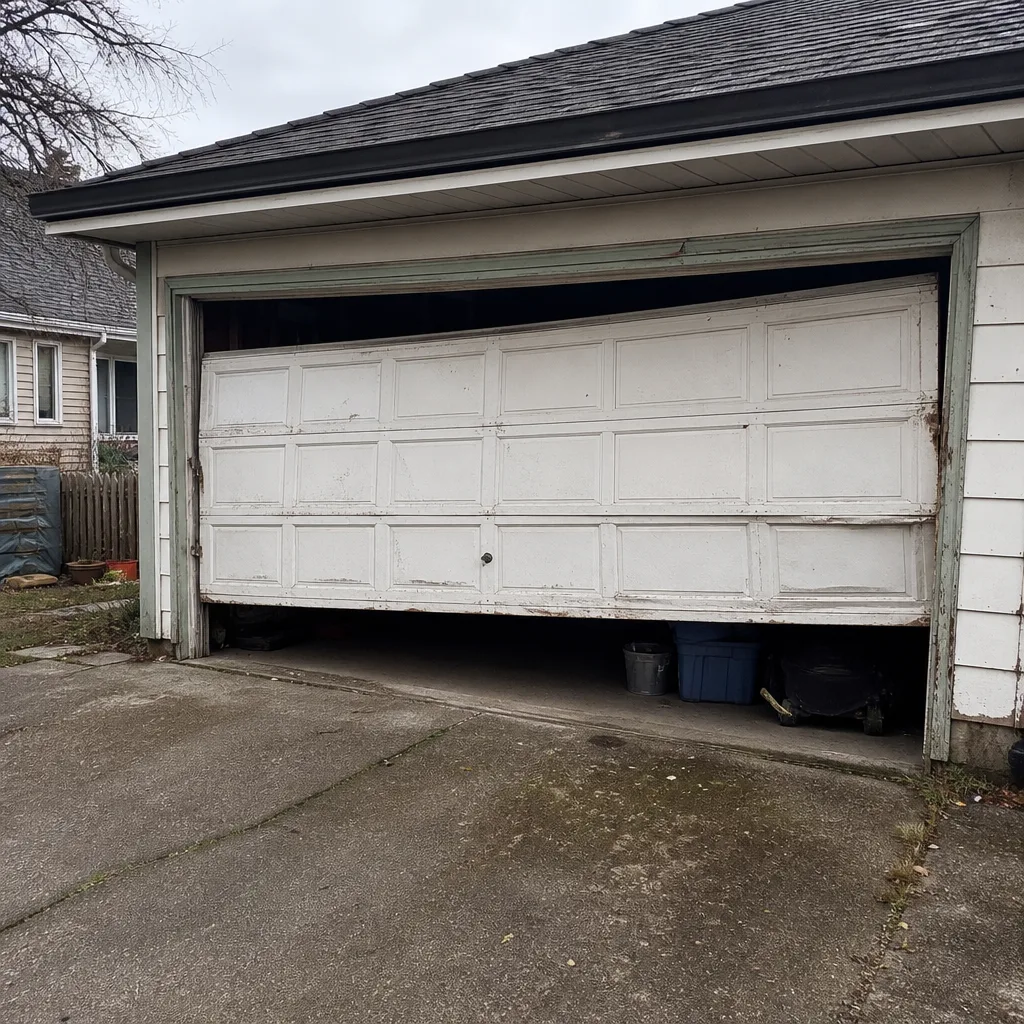
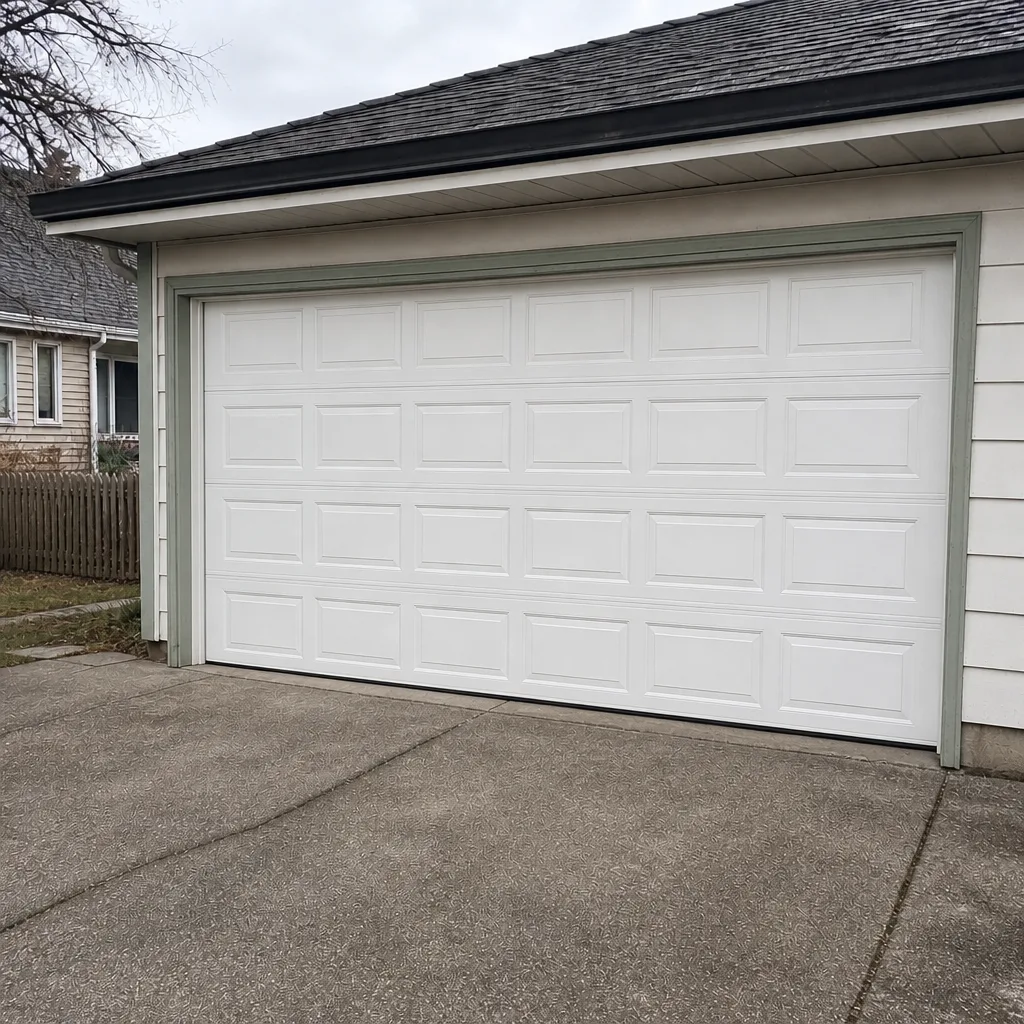
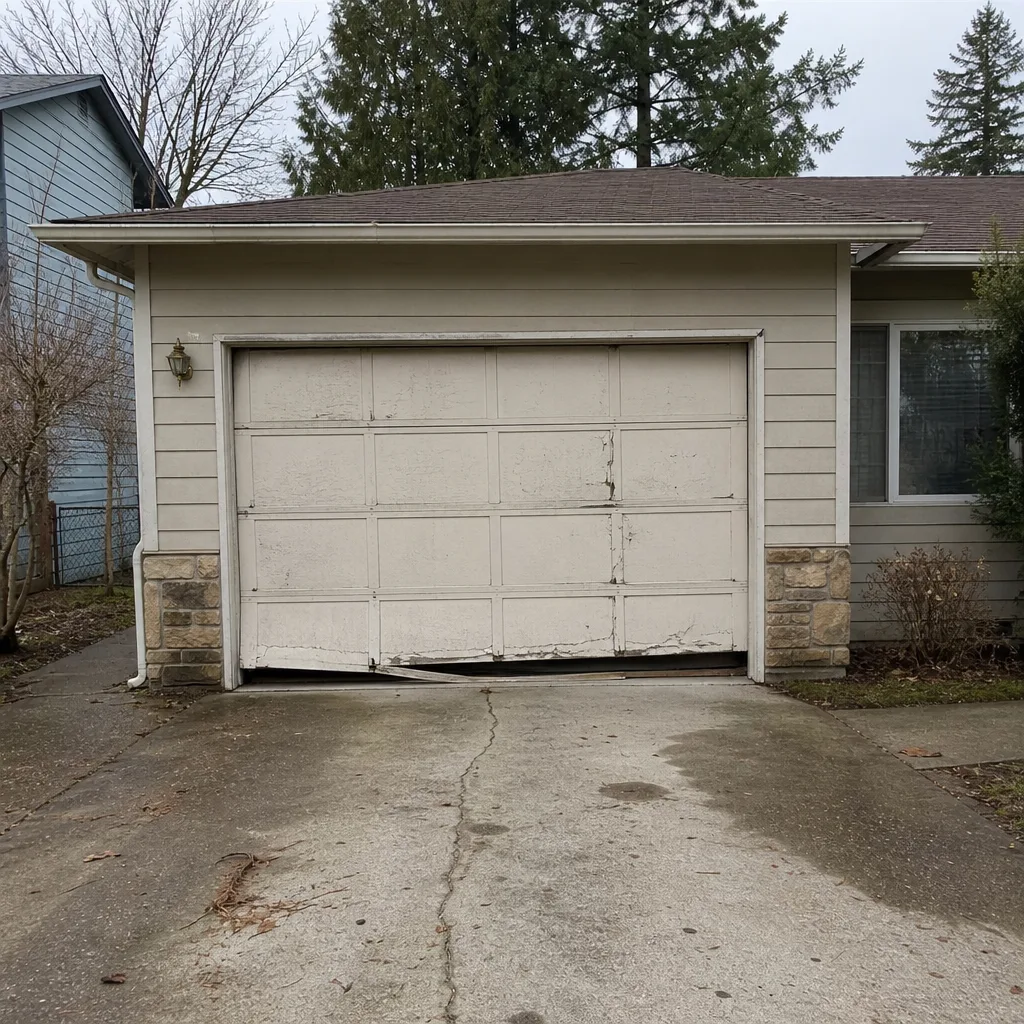
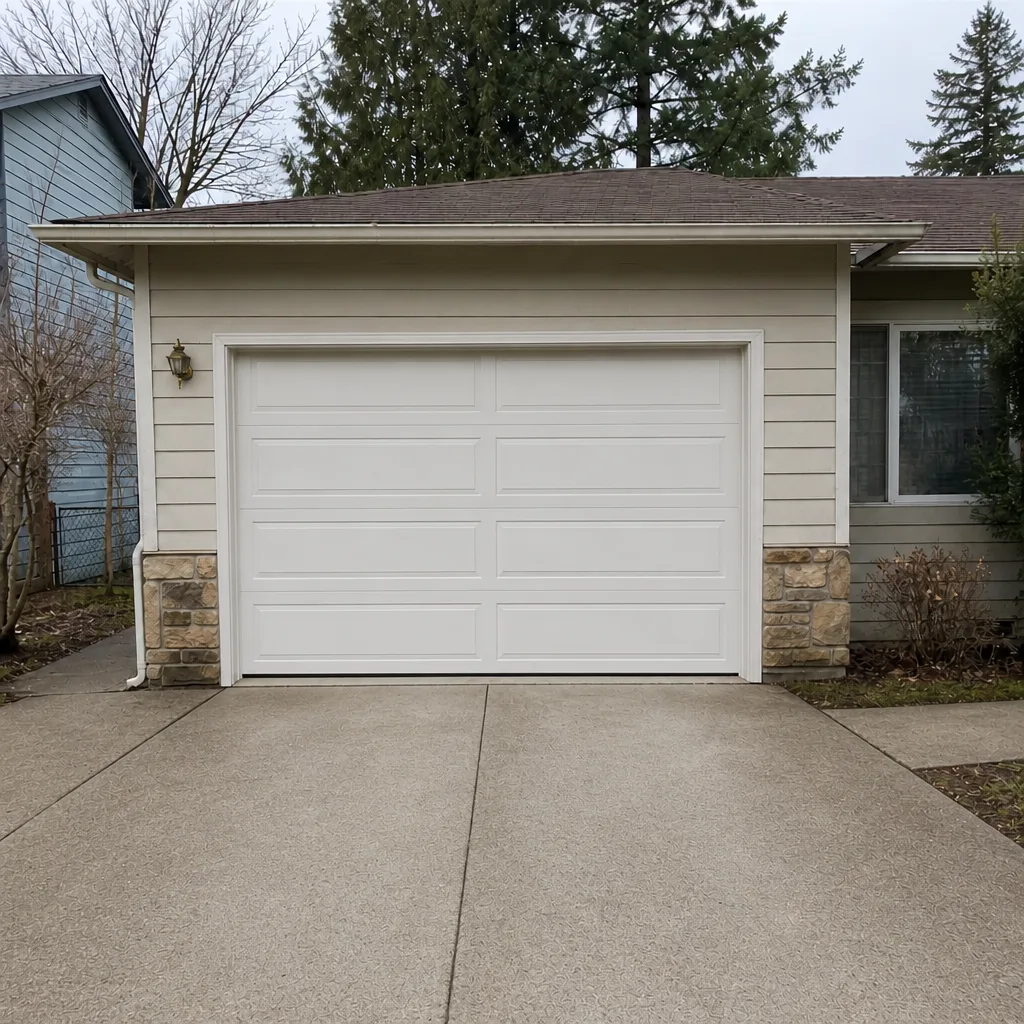
See the difference
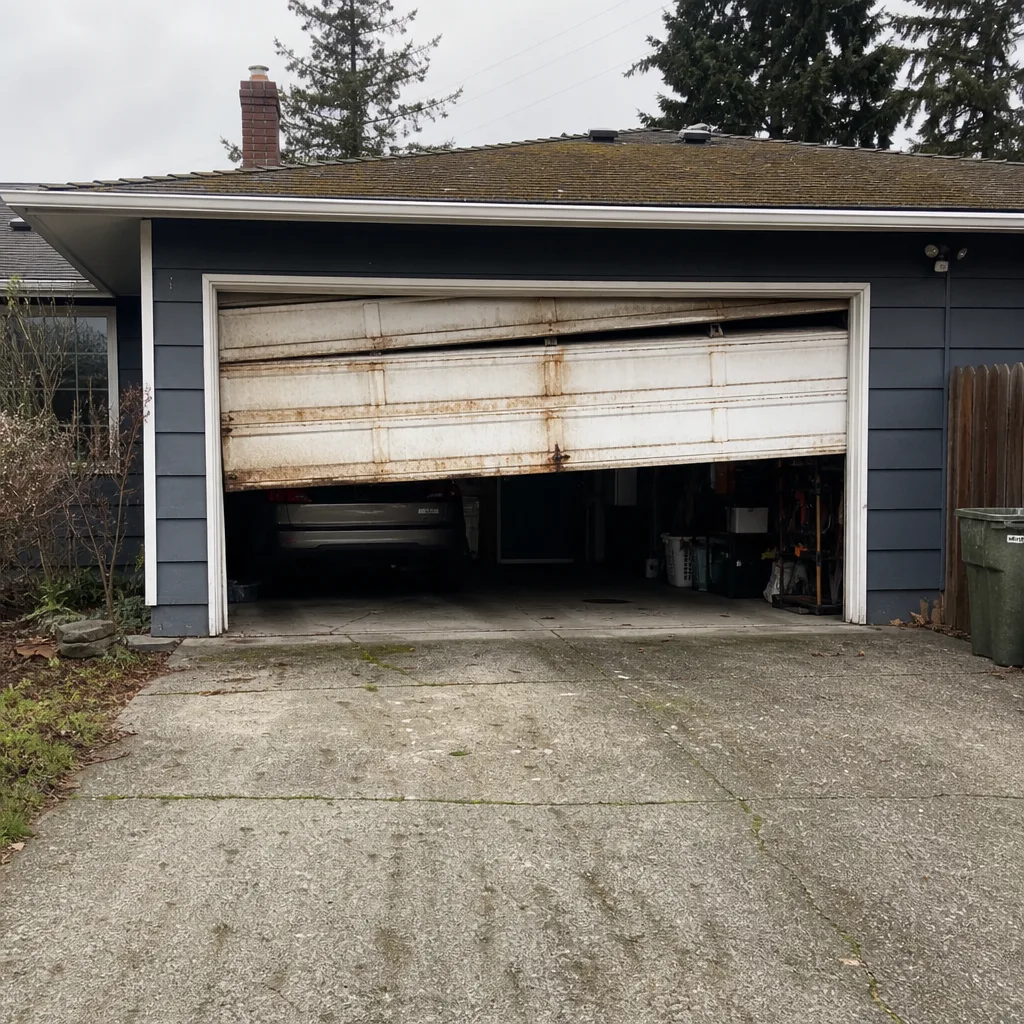 Before
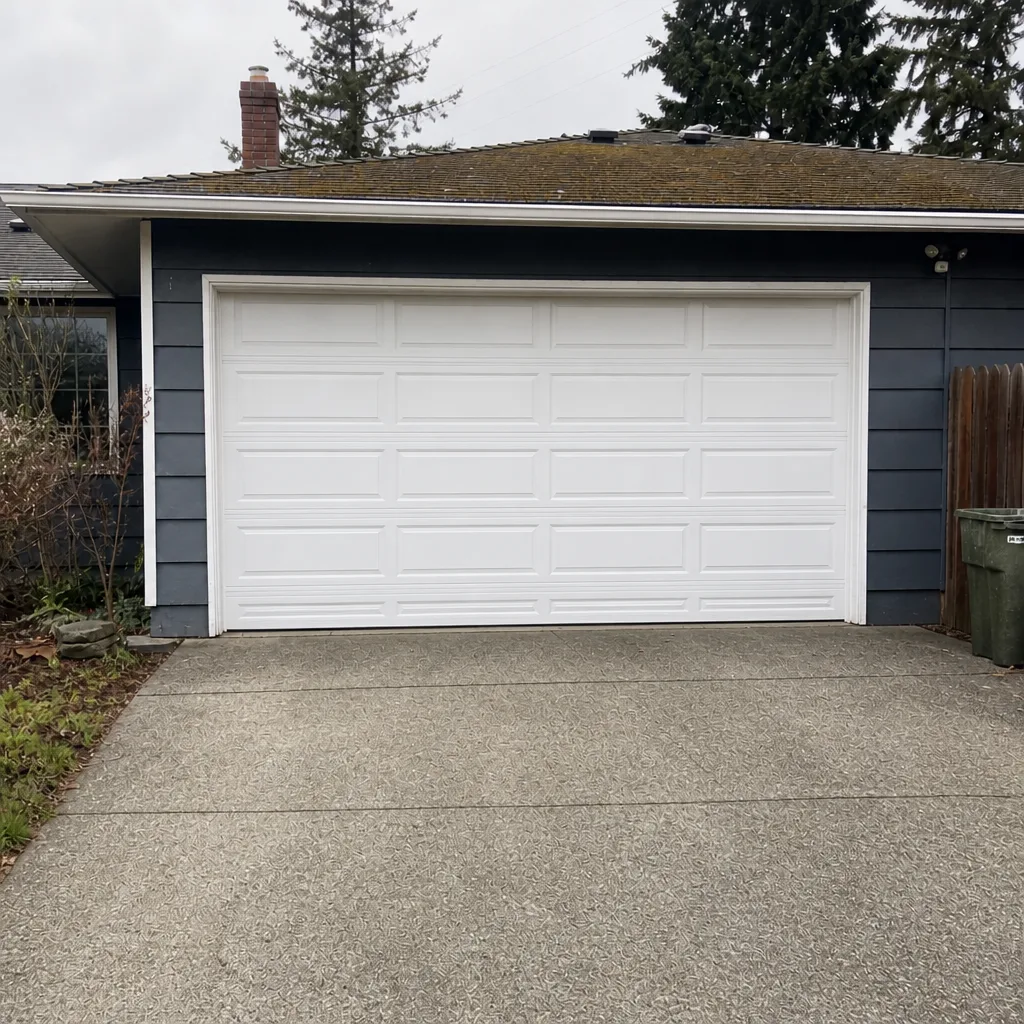 After
 Before
 After
 Before
 After
Common Mistakes to Avoid
- Accepting a phone quote as the final price. Phone quotes are ballparks. The written estimate is what matters, and it should be signed off before any work begins.
- Hiring the cheapest bid without asking what’s included. A low price often hides a low-grade spring gauge, mismatched replacement parts, or labor that skips the balance check.
- Letting a one-brand contractor pick the part for you. If a contractor only sells Genie openers, you’re going to get a Genie recommendation regardless of what your door and wiring actually need.
- Skipping the state registration check. It takes two minutes on the L&I site and filters out contractors who aren’t properly registered or insured.
- Ignoring the labor warranty. Manufacturer coverage on parts won’t help if the install was wrong. Get the labor warranty in writing.
- Trying to save money by skipping the safety reverse test. If a door doesn’t reverse under obstruction, that’s a hazard, not a cosmetic issue. Skip nothing that affects safety.
- Assuming a contractor who “does everything” is an expert at garage doors. A general handyman can install a new opener, but spring work, opener diagnostics, and door balance all require specific, brand-level training. This is the exact mistake that produces wrong-size spring installs and doors that fail again within weeks.
When to Call a Professional
Some jobs are clearly DIY territory: a remote that needs fresh batteries, a lightbulb in the opener, a manual wipe-down of the track. Others are not. Call a professional when a spring breaks, when the door is stuck halfway and won’t move, when the opener runs but the door doesn’t respond, when the door reverses for no clear reason, or when the cables look slack, kinked, or off the drums. Call when the door won’t stay balanced halfway up, when you hear grinding or popping, or when the opener’s safety sensors won’t stay aligned after one attempt to adjust them.
In Auburn, our team handles all of the above, from garage door opener repair to emergency service for a door that’s trapping a vehicle or leaving the house unsecured. Auburn Garage Door Repair Pros offers free estimates in Auburn – call (877) 792-5887 to get scheduled.
Frequently Asked Questions
Spring repair in Auburn typically costs $180 to $340 for a single spring; a matched pair, which is usually what’s replaced together, runs about twice that. The written estimate sets the final price and should be agreed before work begins. Call (877) 792-5887 for an exact quote – estimates are free.
Yes, emergency and same-day service is standard for most dedicated garage door contractors. If your door is stuck, your spring is broken, or your opener has failed, call (877) 792-5887 and describe the issue so you can be booked appropriately.
Not if you’re working with a proper written estimate. A professional contractor diagnoses the issue, writes a line-item estimate, and you agree to that price before work starts. If the diagnosis reveals additional parts during the repair, that should be communicated and approved, not added silently to the bill.
The local professionals we connect you with are state-registered, bonded, and insured as Washington requires. You can verify any contractor’s registration and insurance through the Washington State Department of Labor & Industries website before scheduling.
In most cases, both. Springs are matched for even load, so replacing one worn spring next to a newer one causes uneven tension and can cause the new spring to wear out faster. A qualified contractor checks the door’s weight and recommends based on that, not on trying to save a few dollars.
Ask which brands they work on regularly, and listen for specific names. A dedicated contractor should be able to talk confidently about systems like LiftMaster, Chamberlain, Genie, and Raynor, and about the specific diagnostic quirks of each. If the answer is vague, that’s the signal to keep looking.
The Bottom Line
Hiring a garage door contractor in Auburn comes down to five questions asked before you schedule, a two-minute state registration check, and a written estimate you can actually read. A dedicated specialist answers technical questions with detail, works across multiple brands, quotes line-by-line, and offers both a labor warranty and a manufacturer warranty on the parts. A handyman holding a business card deflects on all four. Take the time to ask, verify, and get it in writing, and you’ll avoid the wrong-spring callback that happens when someone guesses.
When you’re ready to have a specialist look at your door, Auburn Garage Door Repair Pros offers free estimates across Auburn and the surrounding area. Call (877) 792-5887 to schedule, or explore Auburn Garage Door Repair Pros. Our technicians have up to 10 years of experience and work on the brands most homes actually have installed.
Written by the team at Auburn Garage Door Repair Pros.