Last updated November 21, 2026
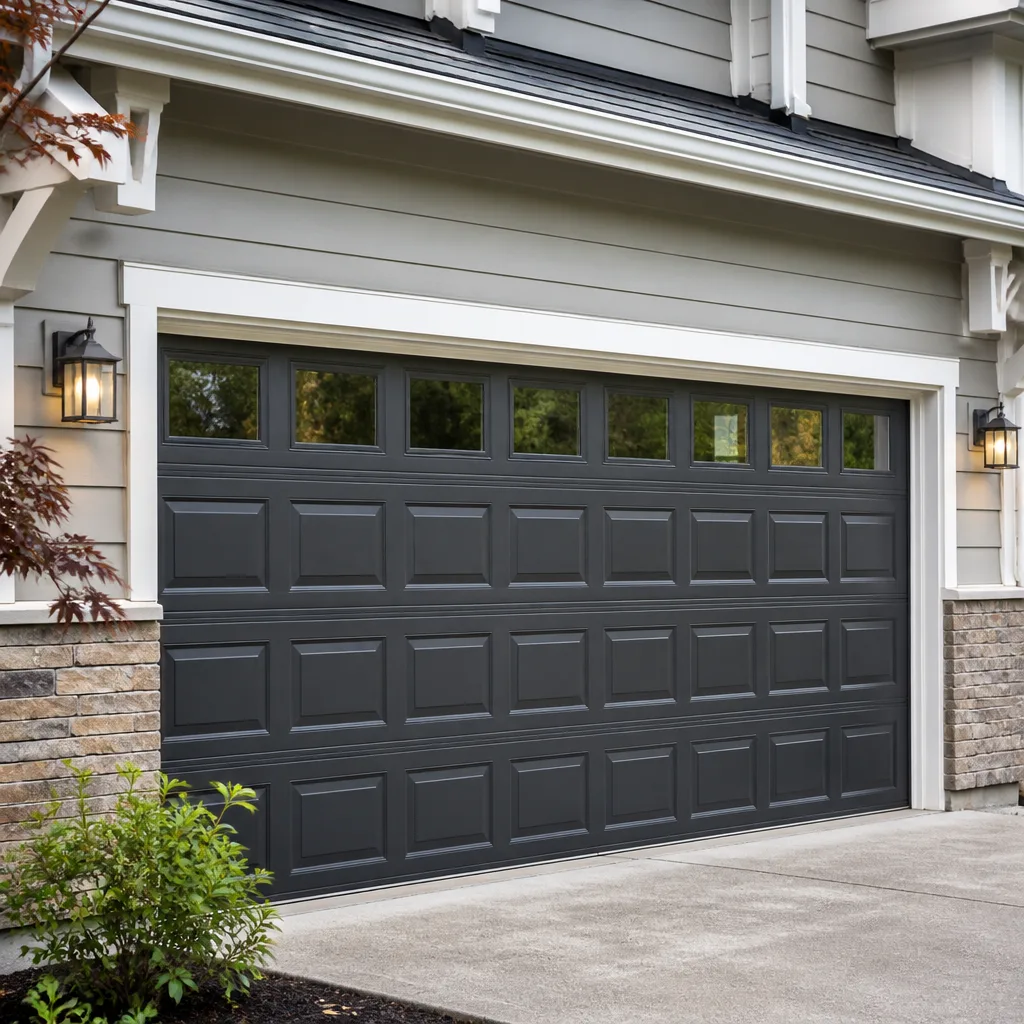 Raised-panel steel
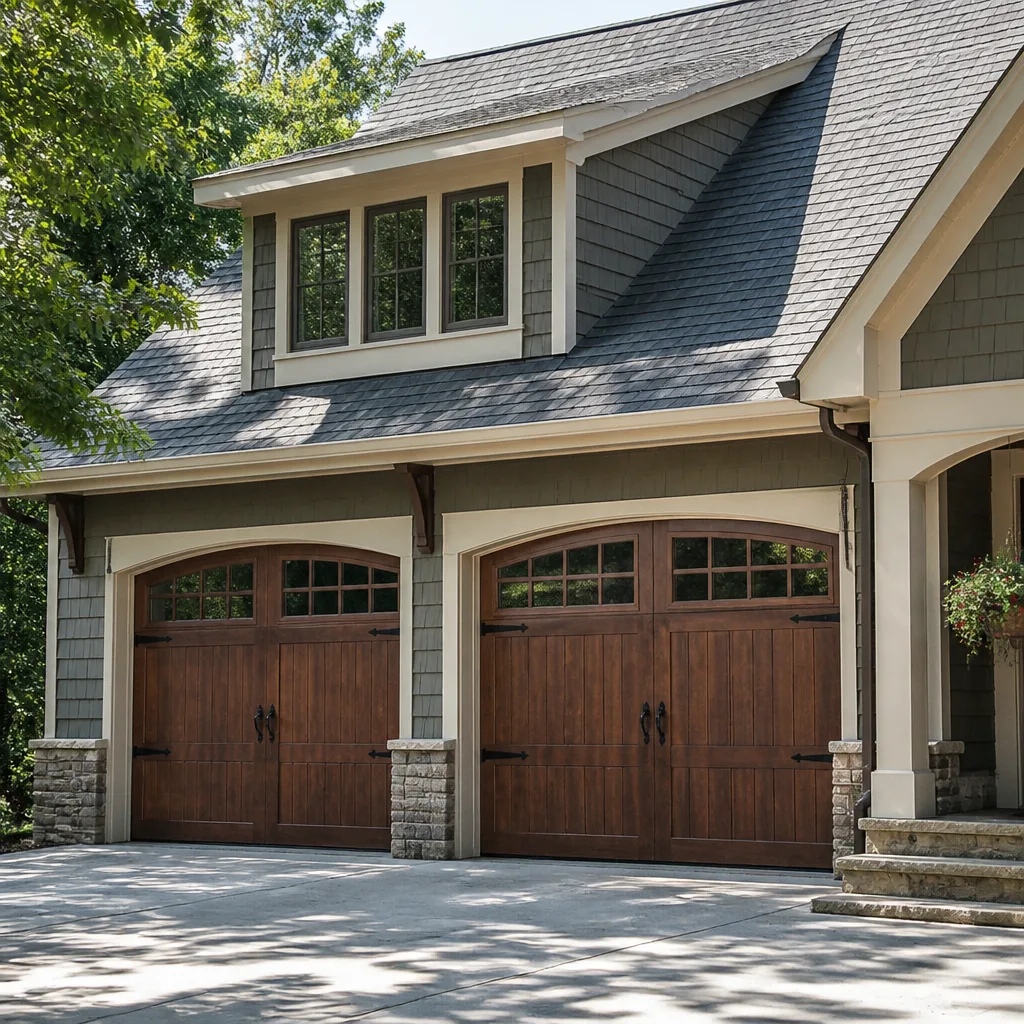 Carriage house
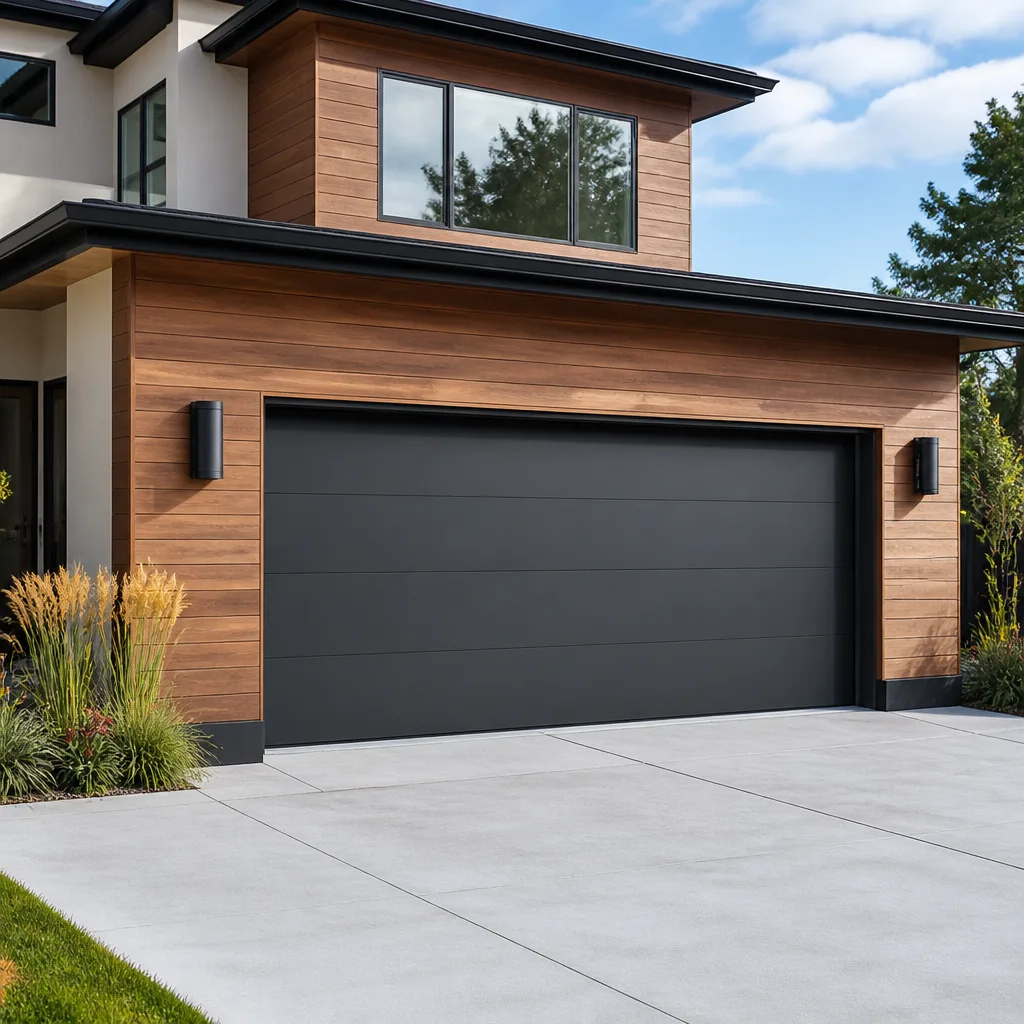 Modern flush
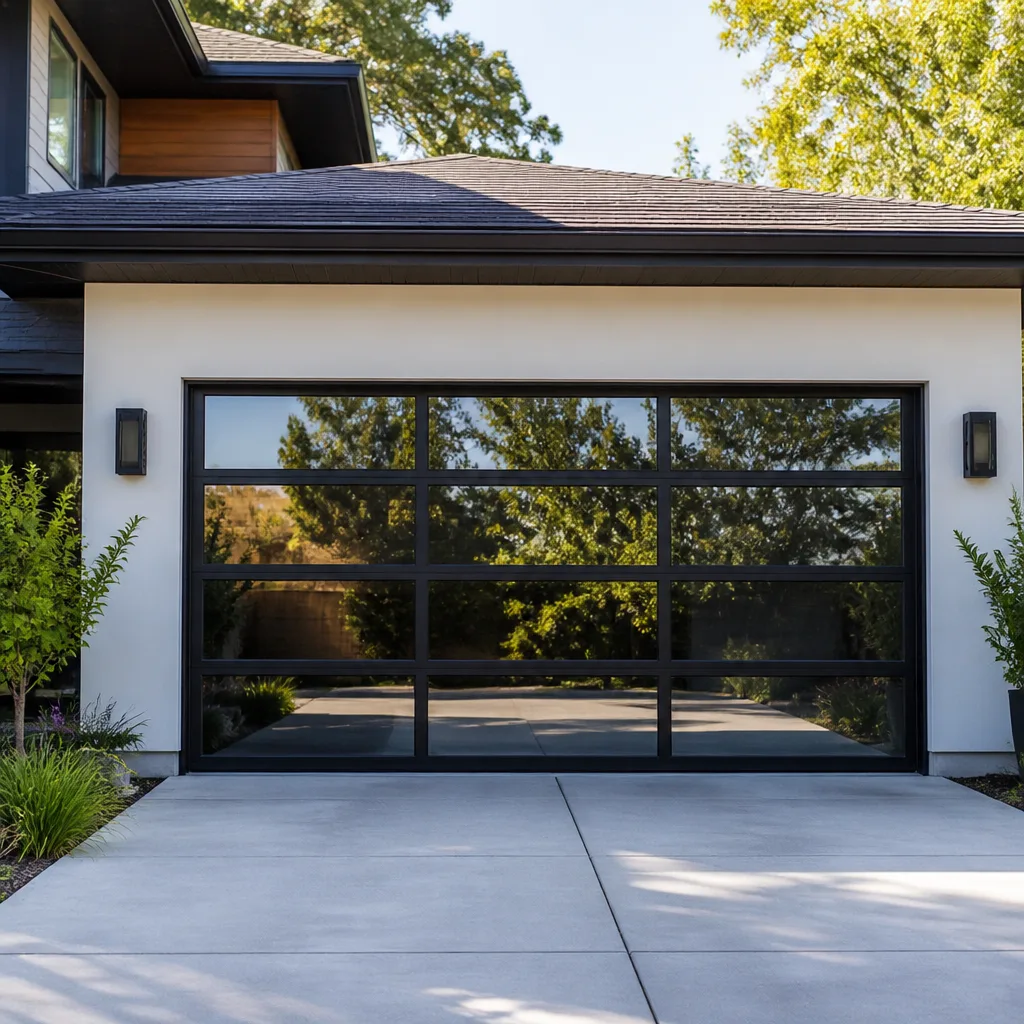 Full-view glass
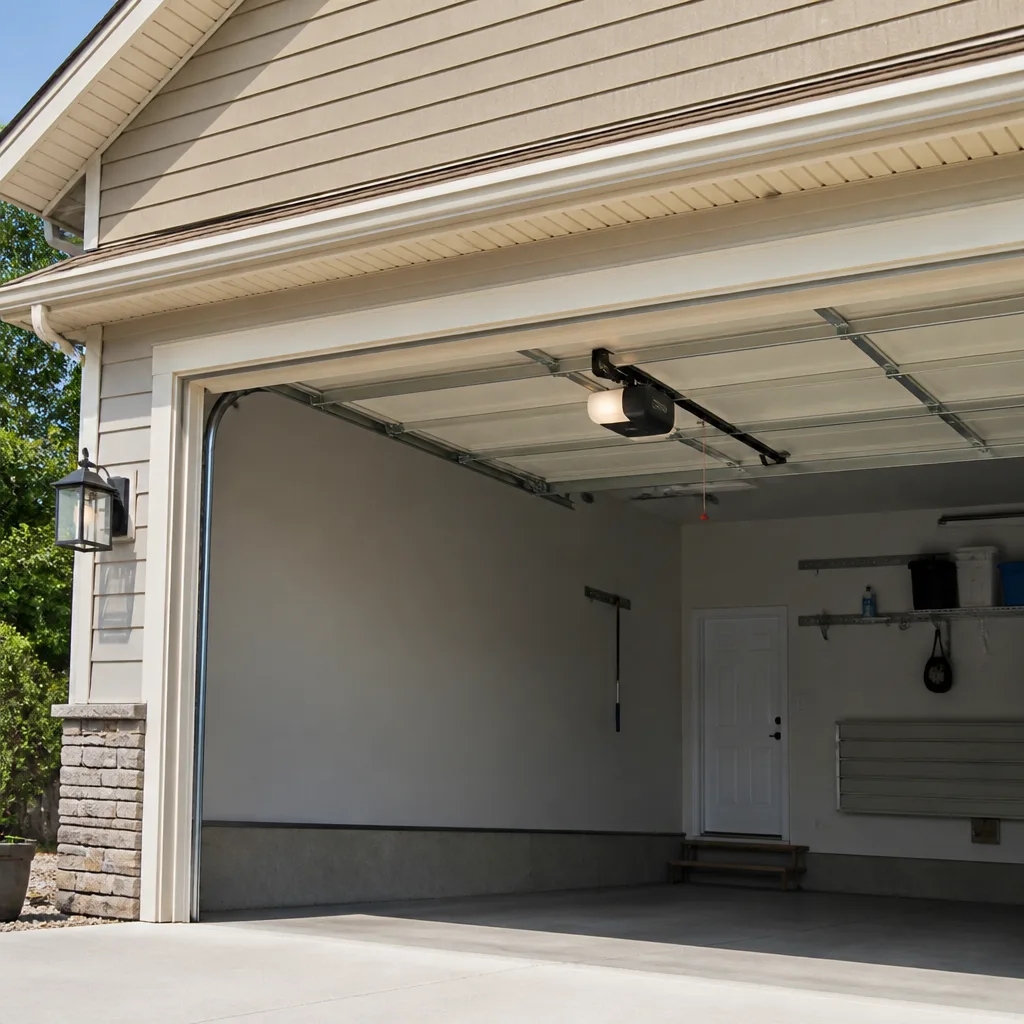 LiftMaster openers
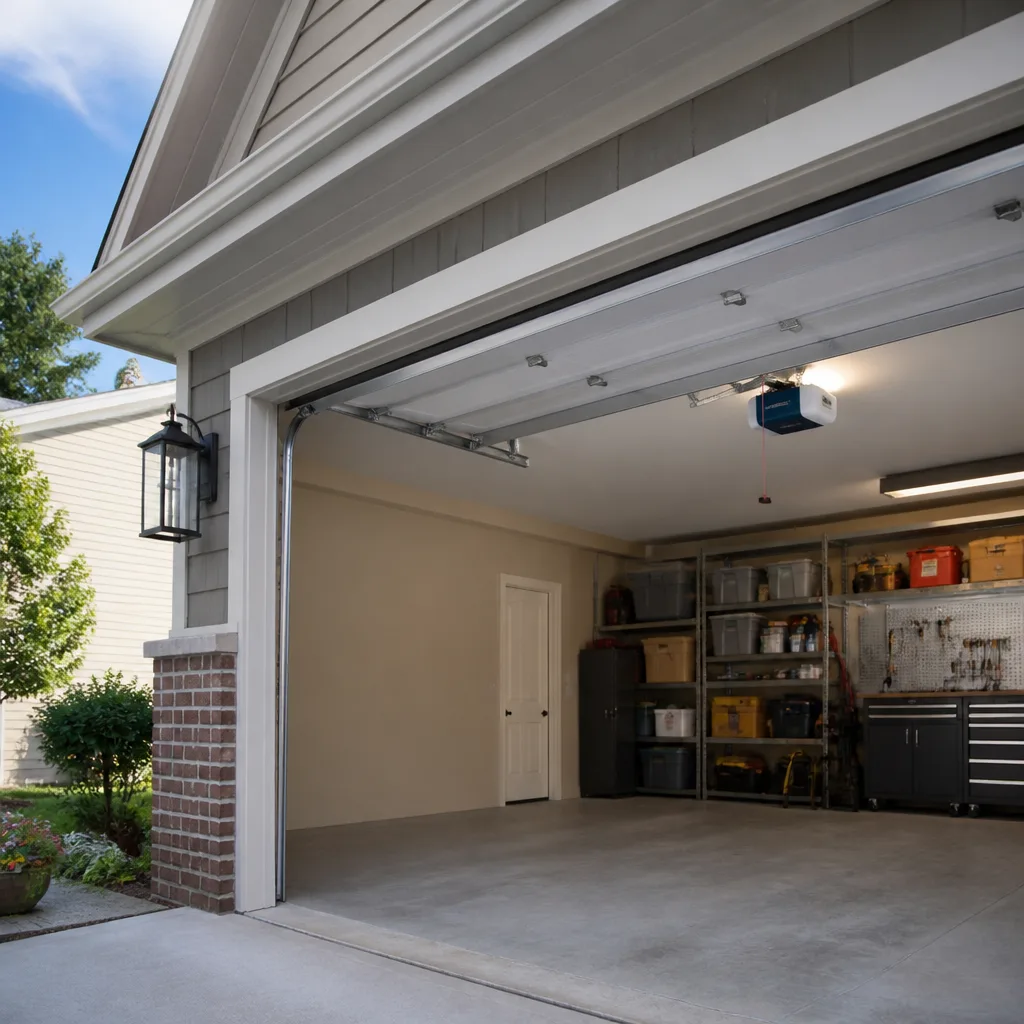 Chamberlain openers
Full 25-point door and opener safety check with every visit - springs, cables, rollers, tracks, and your LiftMaster or Chamberlain opener included
You get a price before we start. It does not change when the pro arrives.
Get your free estimateGarage Door Repair Maintenance Checklist for Auburn Homeowners
Most maintenance guides tell you to “inspect your springs.” That advice is useless if you don’t know what a spring about to fail actually looks like. In our experience across Auburn, the single biggest reason homeowners call us for emergency service is a broken torsion spring, and the failure almost never comes out of nowhere. A torsion spring that’s close to the end of its life usually shows visible warning signs weeks before it snaps. A monthly visual check takes about 90 seconds and can catch those signs while the door still works and the repair is still routine.
This checklist is built around the failure modes our technicians actually diagnose most often in Auburn homes. You’ll learn what a worn spring looks like up close, which lubrication points matter in a wet Pacific Northwest climate and which get gummed up, how to test your safety reverse without tools, and how to log findings so a technician can solve an intermittent problem on the first visit. No guesswork, no generic checklists you’ve seen a dozen times.
Quick Answer
A garage door maintenance checklist for Auburn homeowners should cover four things every month: a visual spring inspection, a balance test with the door disconnected, a safety-reverse and photo-eye test, and targeted lubrication of the hinges, rollers, and tracks (not the springs). Add seasonal checkpoints for post-winter rust, summer heat expansion on steel panels, and fall weatherstrip wear. If anything looks marginal, document it and call (877) 792-5887 for a free estimate before a small issue becomes an emergency.
Styles & brands we work with
- Raised-panel steel
- Carriage house
- Modern flush
- Full-view glass
- LiftMaster openers
- Chamberlain openers
Table of Contents
- What a Failing Torsion Spring Actually Looks and Sounds Like
- Where to Lubricate in Auburn’s Wet Climate (and Where Not To)
- How to Test Auto-Reverse and Photo-Eyes Without Tools
- Seasonal Checkpoints for Auburn: Winter Rust, Summer Expansion, Fall Weatherstrip
- The Balance Test That Predicts Most Opener Problems
- How to Log Findings So a Technician Diagnoses Faster
- Common Mistakes to Avoid
- When to Call a Professional
What a Failing Torsion Spring Actually Looks and Sounds Like
Most Auburn homeowners only think about their torsion spring after it snaps. But a torsion spring announces its failure weeks ahead of time if you know what to look for. The key is understanding what “end of life” looks like versus what “abrupt failure” looks like, because the two are different, and only one gives you a warning.
A torsion spring is the horizontal coil mounted on the shaft above the door. When you look at it with the door fully closed, you should see a tight, even coil of wire with no visible gaps on the winding. Here’s what a spring that’s within roughly 500 cycles of failure tends to look like:
- A visible gap in the coil. One or two turns of the wire have stretched apart by more than about a sixteenth of an inch. That gap is where the wire is about to break. A spring with no gaps is not a guarantee, but a spring with an obvious gap is a near-certainty that failure is close.
- Rust along the wire. Pacific Northwest humidity works into the coil and rust pits the steel. A rusty spring is a weaker spring.
- A door that feels heavier than it used to. If you can lift the door by hand (with it disconnected) and it takes noticeably more effort than last year, the spring has lost tension and is approaching the end.
- Uneven opening speed. The door starts slow and finishes fast, or vice versa. That’s a spring that isn’t counterbalancing evenly anymore.
A spring that snaps without warning usually does so because the wire had an internal defect that no visual inspection could catch. That’s rare, but it happens. The point of the monthly visual check isn’t to catch every failure. It’s to catch the roughly 90% that give you a warning.
Safety note: torsion springs are under extreme tension, even when the door is closed. Never attempt to unwind, adjust, or replace one yourself. A torsion spring can cause serious injury in a fraction of a second if it releases unexpectedly. This is a job for a trained technician with the right winding bars and torque knowledge, which is exactly the kind of work we do every week. For dedicated help, see our garage door spring repair page.
Where to Lubricate in Auburn’s Wet Climate (and Where Not To)
Lubrication advice you find online is usually written for a dry climate. Auburn is not dry. Our wet winters and humid springs change which points matter and which get over-lubricated into a sticky mess that attracts dirt and debris. Here’s the version that actually applies to Auburn homes.
What to lubricate, and with what:
- Hinges: one small drop of garage-door-specific lubricant (not WD-40, not motor oil) at each hinge pivot. Once every three months is plenty. The hinges at the top and bottom of the door work hardest, so start there.
- Rollers: a light film on the bearing, not the wheel itself. Nylon rollers need very little. Steel rollers benefit from a touch more. Don’t soak them; over-lubrication is the more common mistake in a wet climate.
- Track curves: the curved section where the vertical track meets the horizontal track is where the rollers take the most load. A thin wipe of lubricant there reduces wear without attracting grit.
- Lock and handle: if you have a manual lock, a graphite or dry lubricant once a year keeps it moving.
What not to lubricate:
- The torsion springs themselves. We see this a lot in Auburn: a homeowner sprays the springs thinking they’re helping. Springs are meant to be dry. Lubricant on a spring attracts grit that gets worked into the coil and accelerates wear. Leave them alone.
- The straight vertical and horizontal track surfaces. The rollers should run on a clean track. Lubricating the track surface itself turns it into a dust magnet in our wet climate.
- The opener rail. Unless your specific opener manual says otherwise, the rail should stay dry. Grease on the rail collects debris and can confuse the travel limits.
Our technicians work on LiftMaster, Chamberlain, Genie, Craftsman, and other major opener systems every week, and the ones we see fail prematurely most often are the ones where someone over-lubricated a component that shouldn’t have been touched. When in doubt, less is better.
How to Test Auto-Reverse and Photo-Eyes Without Tools
Your garage door has two independent safety systems, and both can fail in ways you won’t notice until it matters. Testing them takes about two minutes and requires nothing but your hands and a small object. Here’s what a clear pass looks like versus a marginal result you should write down.
Testing the photo-eyes
The photo-eyes are the two small lenses near the bottom of the tracks, one on each side. They shoot an invisible beam across the opening, and the door should not close if that beam is broken.
- Start with the door open and the opener powered on.
- Look at both lenses. Most models have a small LED. Steady light on both sides means the beam is aligned. Blinking or no light means the beam is broken, misaligned, or the lens is dirty.
- Wipe both lenses with a dry cloth. Auburn’s wet climate leaves a film on outdoor-facing lenses more than you’d expect.
- Press the wall button to close the door, and while it’s closing, pass your hand (or a broom handle) through the beam. The door should reverse immediately and go back up.
What a marginal result means: the door reverses, but only after a delay of a second or more, or only if you block the beam with something solid rather than your hand. That’s a sign the beam is misaligned or the sensor is failing. It’s still working, but it’s not reliable. Log it and get it checked.
Testing the auto-reverse (pressure) function
The auto-reverse is the secondary safety system that makes the door reverse if it hits something while closing.
- With the door open, lay a two-by-four or a similar solid board flat on the ground under the middle of the door.
- Press the button to close the door.
- The door should strike the board and reverse back up within a couple of inches of contact. If it simply stops and stays down, or if it struggles against the board before reversing, that’s a failure or a marginal result that needs attention.
What to do with a failure: don’t keep operating the door and hope for the best. A door that won’t auto-reverse is a genuine hazard, especially in a home with kids or pets. Stop using the automatic opener, use the manual release if you need to move the door, and get a technician out. This is one of the few checks on this list where a failure means “call today, not next week.”
Seasonal Checkpoints for Auburn: Winter Rust, Summer Expansion, Fall Weatherstrip
Auburn has four distinct seasons, and each one stresses a different part of your garage door. A maintenance routine that ignores seasonality will miss the failures that happen in the gaps.
Post-winter: rust inspection
Our winters are wet and our springs are humid, and that’s exactly the environment that rusts hinge pivots, roller bearings, and the bottom bracket area. By March, take a few minutes to:
- Look at every hinge pivot for orange-brown discoloration.
- Check the bottom brackets where the cables attach, especially if water pools at your garage floor.
- Run a finger along the bottom edge of the door. If you feel rough, pitted paint, moisture has been sitting there.
- Look at the track surface near the ground for rust streaking.
Surface rust on a hinge pivot is treatable. Rust on a cable or a bearing is a replacement. If you’re not sure which you’re looking at, take a photo and call us for a free estimate.
Summer: heat expansion checks on steel panels
Steel doors expand in summer heat, and that expansion can reveal problems that were invisible all winter. Watch for:
- Popping or creaking as the door warms up in the afternoon. Some noise is normal; new, loud popping is a sign a hinge or panel joint is binding.
- Visible panel separation at the seams. If the panels pull apart more than a fraction of an inch, the hinges are wearing unevenly.
- A door that binds or hesitates in the middle of the day but runs smoothly in the morning.
Fall: weatherstrip assessment
The weatherstrip along the bottom of the door and around the jambs takes a beating in our wet climate. Before the rainy season, check:
- Whether the bottom seal still contacts the floor across its full width. A gap lets water and cold air in.
- Whether the seal feels soft and pliable or hard and cracked.
- Whether you can see daylight under the door with it closed.
A dry, cracked weatherstrip is a cheap replacement and a big help against moisture creeping into the garage. Left alone, it lets water pool along the bottom panel where rust is hardest to stop.
The Balance Test That Predicts Most Opener Problems
If your opener is straining, overheating, or failing inconsistently, the problem is usually not the opener. It’s the door. A door that isn’t counterbalanced properly forces the opener to do work the spring should be doing, and openers fail under that load. The balance test tells you in 60 seconds whether the door is doing its share.
Do this safely: only run the balance test with the opener disconnected and the door fully closed to start. Never put your fingers in the path of a moving door.
- Close the door fully.
- Pull the manual release cord (the red handle hanging from the opener rail). This disconnects the door from the opener.
- Lift the door by hand to about halfway (waist height). Then let go.
- A well-balanced door stays where you put it, at any point in its travel.
- A door that drops slowly to the ground has springs that have lost tension.
- A door that rises on its own has springs that are too tight.
What this predicts: a door that fails the balance test today will wear out your opener within weeks or months. The opener runs hot, the motor gears wear, and eventually the opener quits. That’s why we diagnose opener problems by testing the door first. If the door is unbalanced, a new opener will fail the same way the old one did. We work on LiftMaster, Chamberlain, Genie, and Craftsman opener systems, and we see unbalanced doors behind most of the “opener keeps dying” calls we get. If yours is showing symptoms, our garage door opener repair page covers the next steps.
If the balance test fails, re-engage the opener before you use the door again, and don’t try to adjust the springs yourself. That’s the job that belongs to a specialist.
How to Log Findings So a Technician Diagnoses Faster
Intermittent problems are the hardest garage door issues to solve, because by the time a technician arrives, the door is behaving. A simple log changes that. When you write down what you see and hear over time, the technician sees the pattern before the first visit and can bring the right parts and spend the visit on the actual repair instead of the diagnosis.
What to log, every month:
- The date and the result of each check. “Balance test: stays put” or “Balance test: drops slowly.”
- Any new sound, described in your own words. “Loud pop when the door first starts up in the afternoon” is more useful than “weird noise.”
- Any marginal result from the safety tests. A delay on the auto-reverse, a blinking photo-eye LED that clears after a wipe – all of it goes in the log.
- Any visible change in the springs. A photo of the coil with a coin or a ruler held next to a gap is worth more than three paragraphs of description.
- The weather conditions when a symptom appeared. “Popped twice during the hot week” tells a technician something a bare symptom description doesn’t.
What makes this useful is the history. One marginal test on one day is noise. The same marginal result three months running is a trend. When a homeowner in Auburn calls us with thirty days of notes, even brief ones, we can usually narrow the diagnosis to the right system (springs, opener, track alignment, sensor failure) before we arrive. That saves you a visit and often saves you a return trip.
A note about brand: if your door or opener is a specific brand like Amarr, Wayne Dalton, or Raynor, write the brand and model in the log if you can find it. Even a rough identifier helps because we keep the right parts for those specific systems on hand rather than improvising a fit. Knowing the brand in advance also lets us bring the right service manual for the specific failure mode.
See the difference
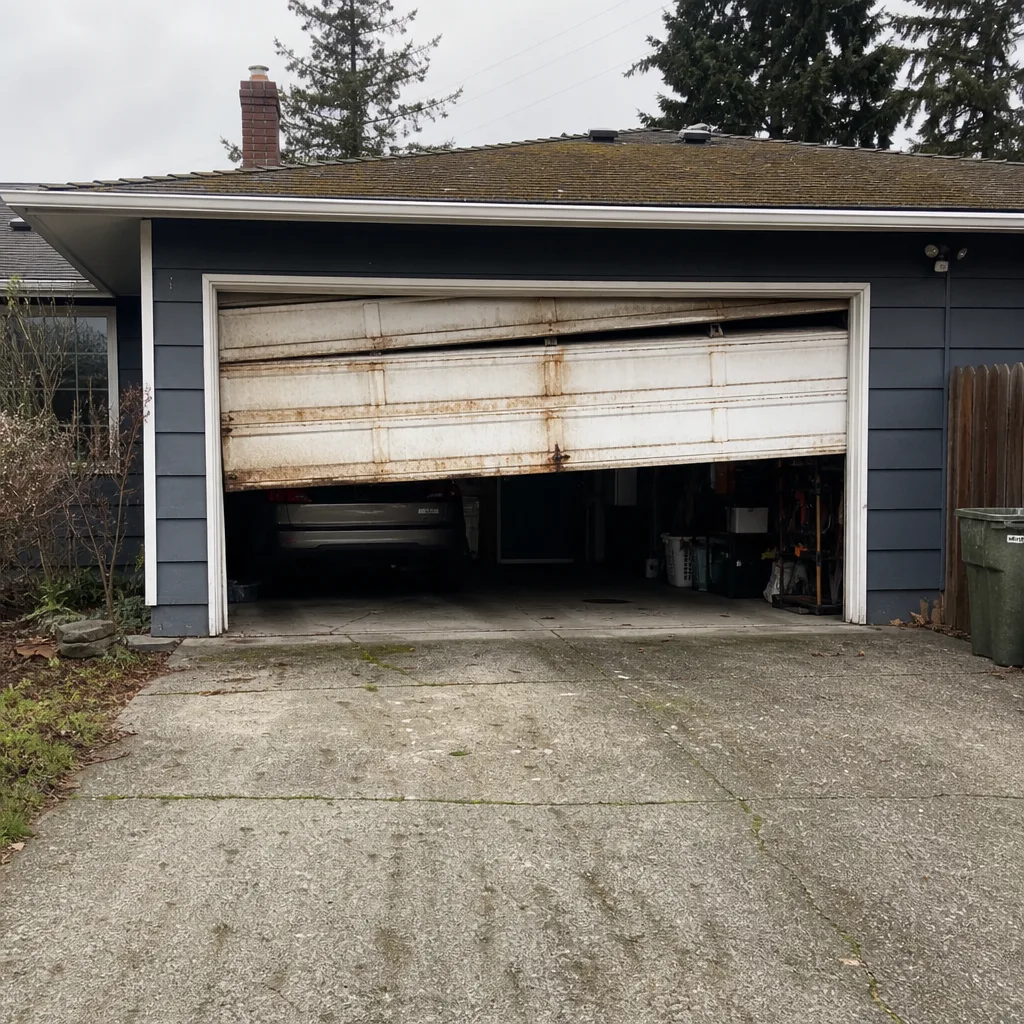 Before
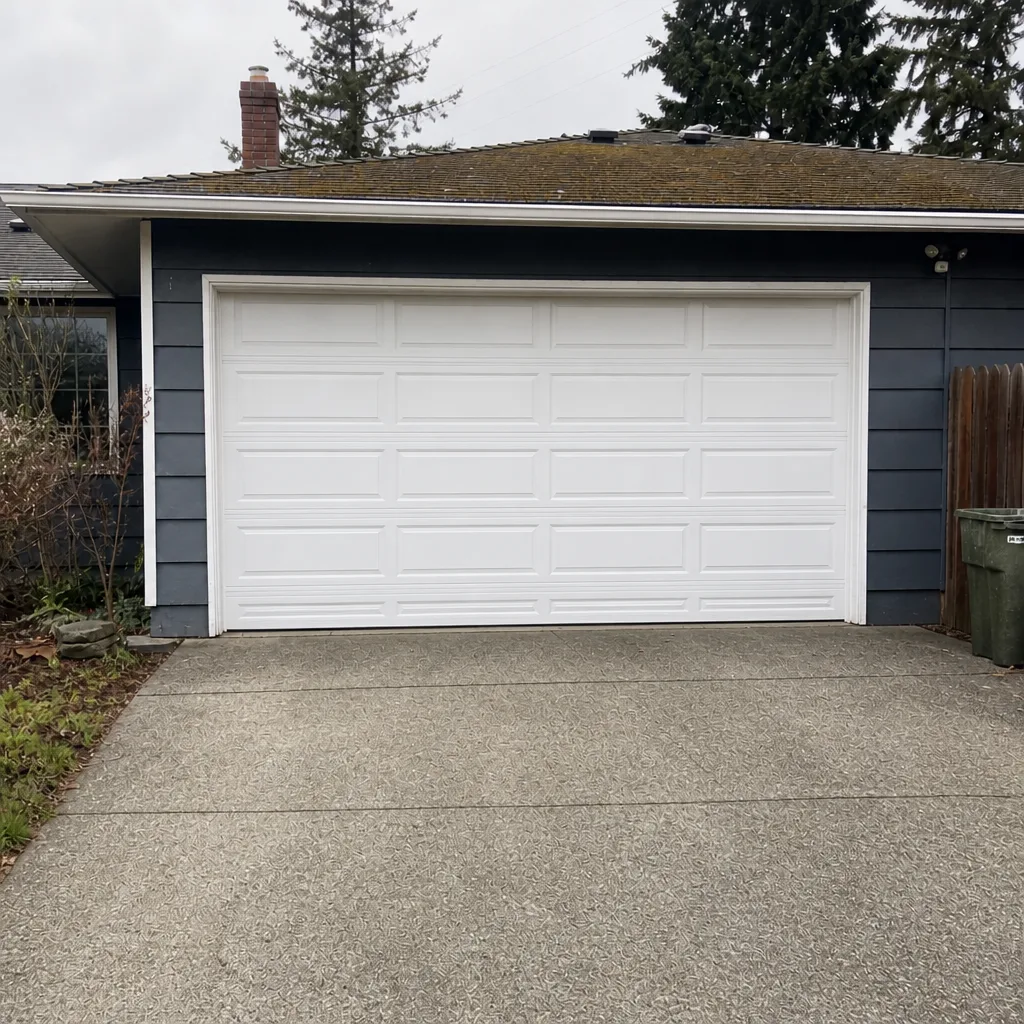 After
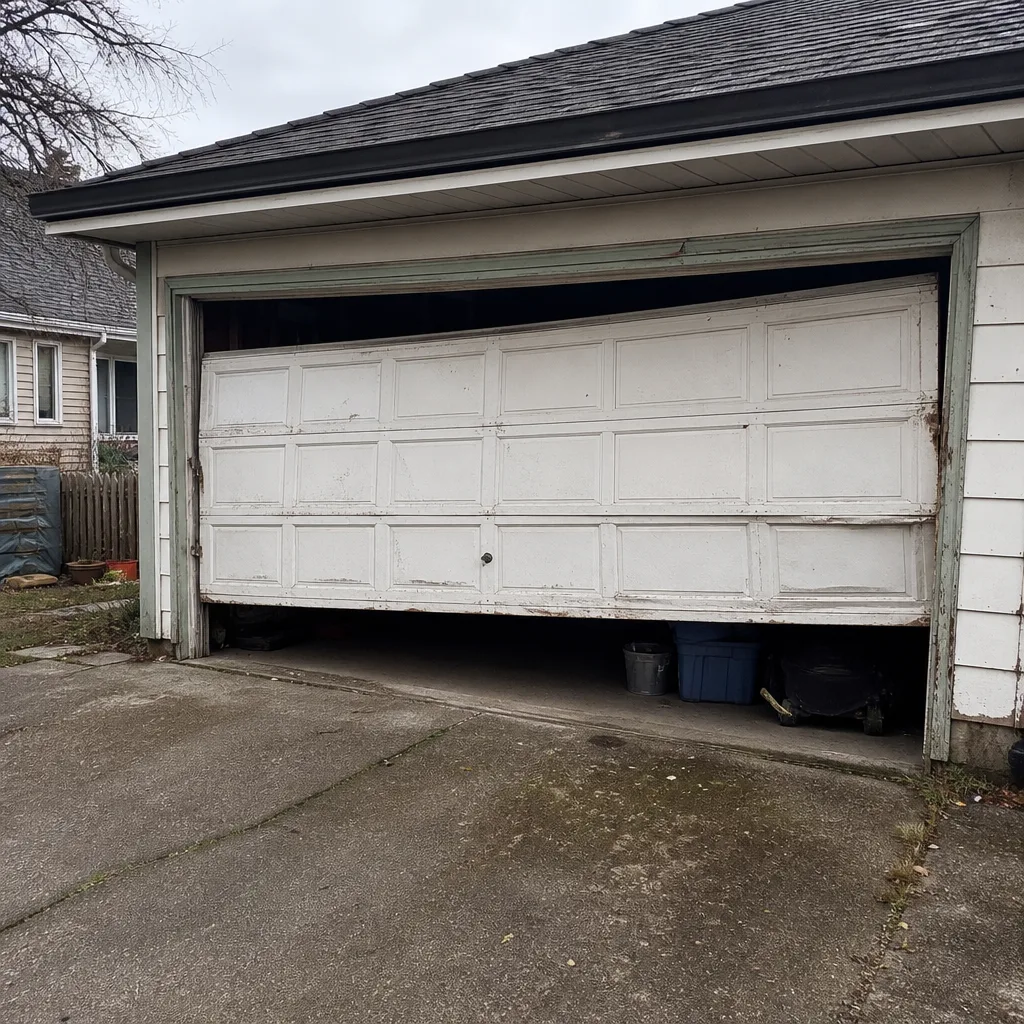 Before
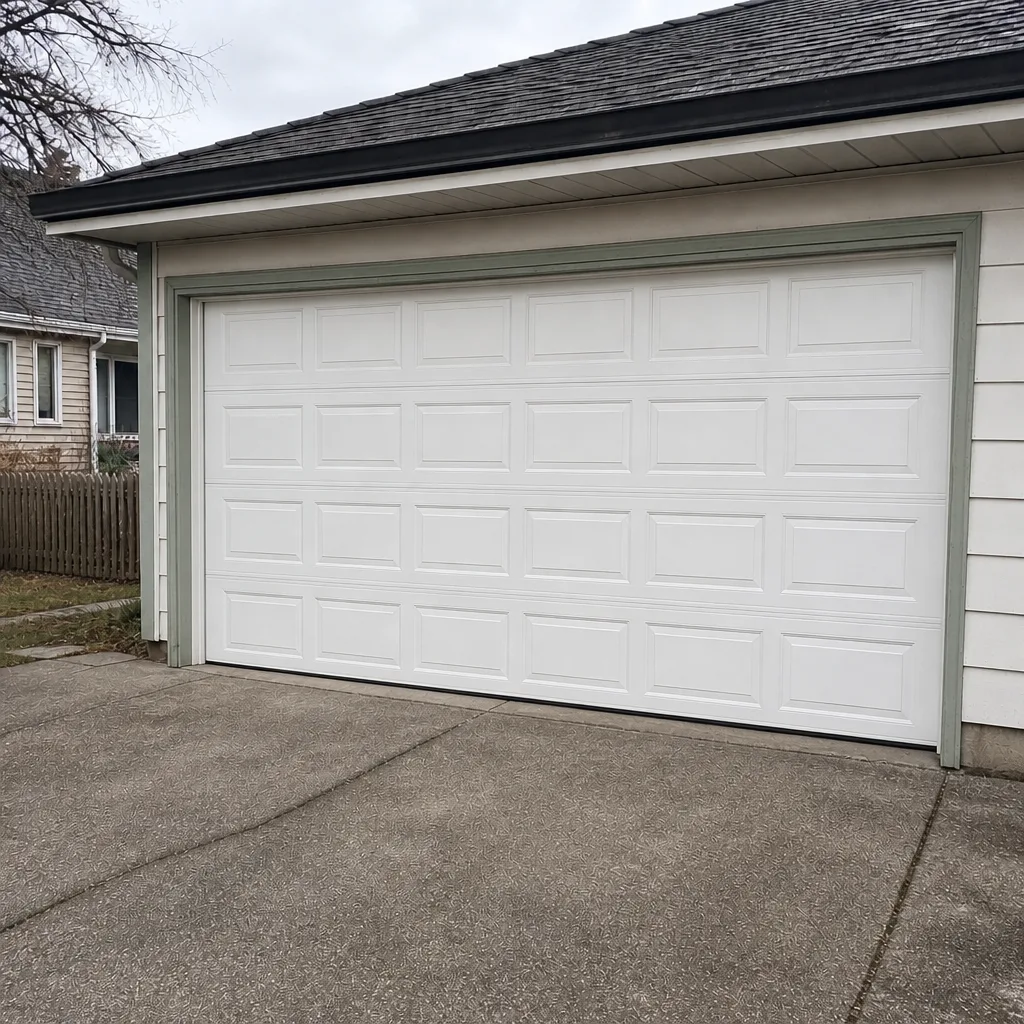 After
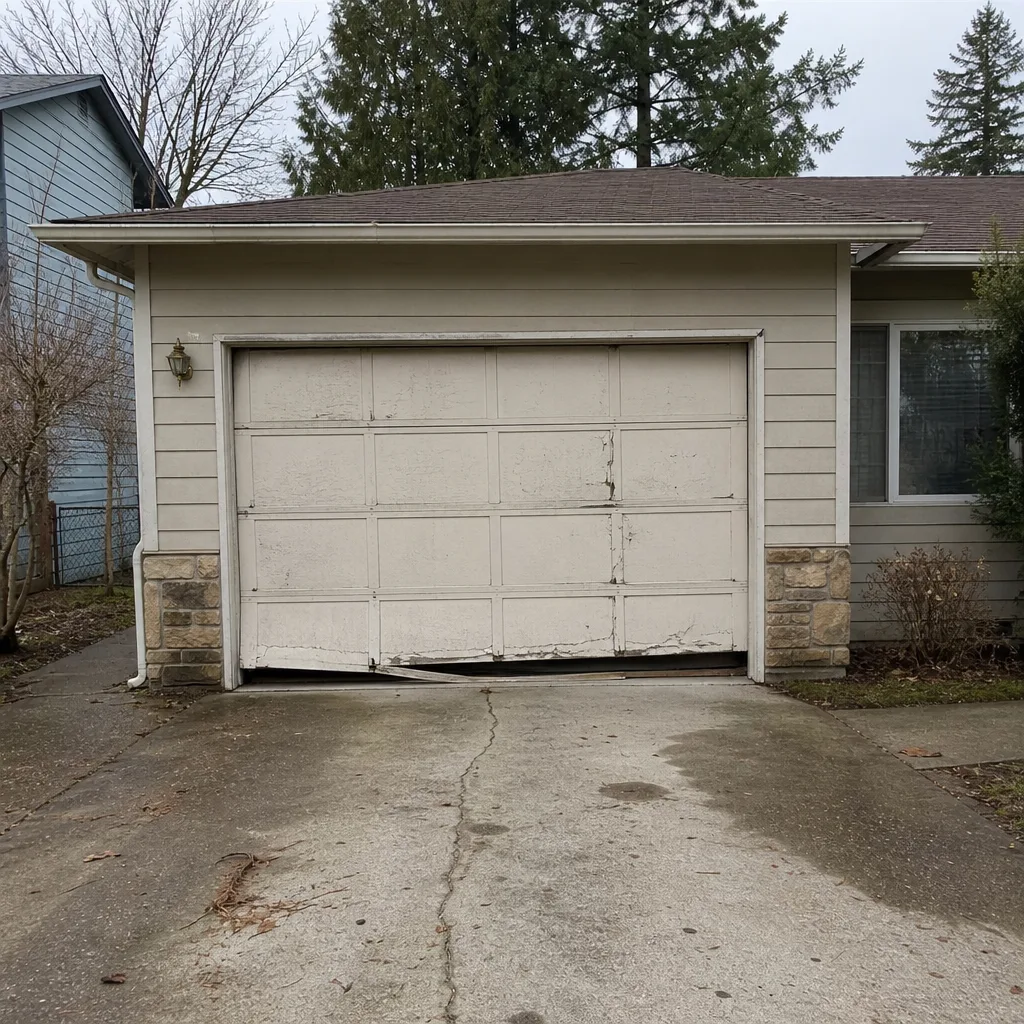 Before
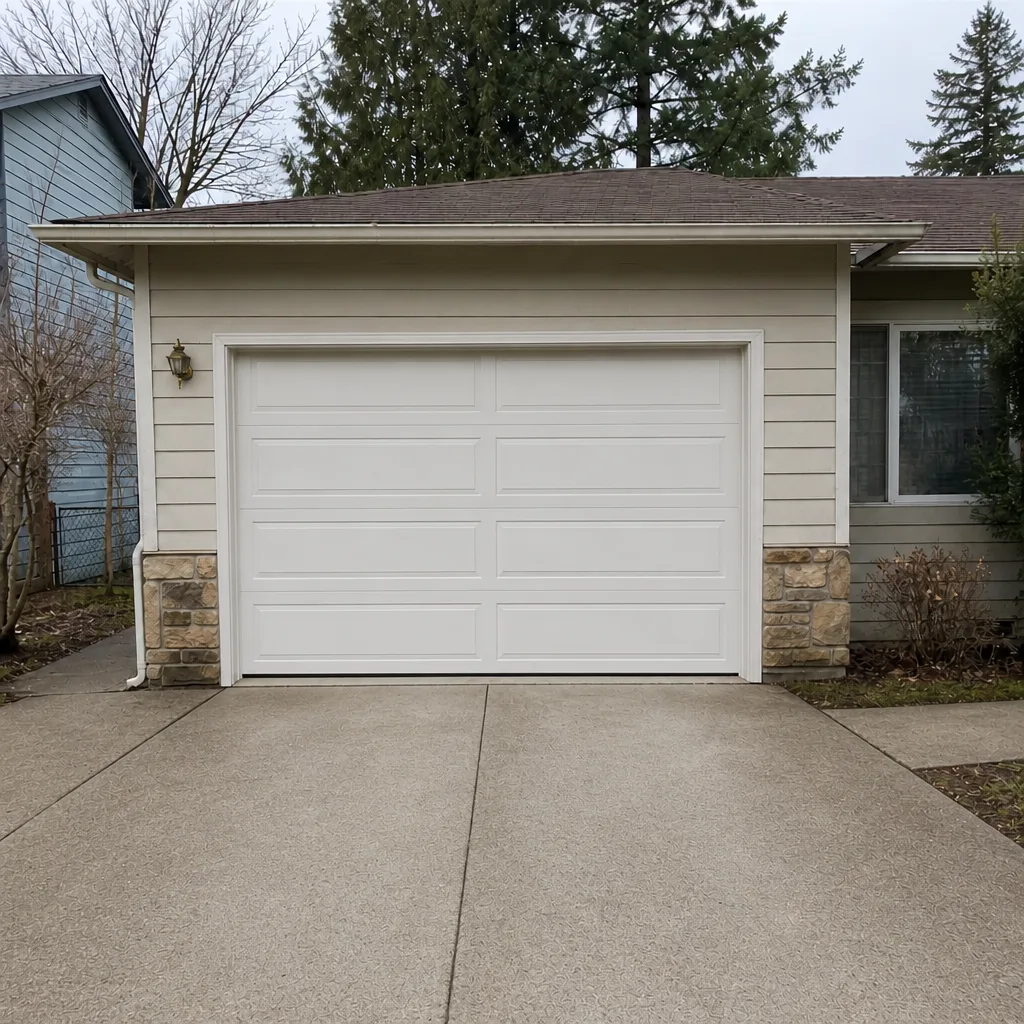 After
Reading the Warning Signs: A Quick Diagnosis Table
The symptoms most Auburn homeowners report map to a small set of root causes. Here’s how we triage it before we arrive.
- Door won’t move at all, opener hums: usually a broken spring (opener is trying to lift a door it can’t), or a stripped drive gear in the opener. Both are technician jobs.
- Door opens a few inches and reverses: most often a photo-eye misalignment or a travel-limit setting. Photo-eye is a homeowner fix (wipe and align); travel limits need a technician.
- Door drops fast or slams shut: a spring that’s lost tension or broken. Don’t run the door. This is a genuine safety issue.
- Door opens crooked: a broken spring on one side, or a cable off a drum. Not a DIY fix.
- Loud popping or grinding: worn rollers, dry hinges, or a failing opener gear. Diagnose by listening to when the sound happens (start, middle of travel, end).
- Opener remote only works up close: usually a battery or logic board issue, occasionally an antenna or environmental interference.
If two or more rows apply, treat it as a technician call. For a full breakdown of what each symptom implies, our garage door repair page covers every scenario we handle.
Common Mistakes to Avoid
- Lubricating the springs. We’ve said it already, but it’s the most common mistake we see in Auburn. Springs should stay dry. Lubricant attracts grit that accelerates wear and shortens spring life.
- Testing the auto-reverse with your hand or foot. The only reliable test is a solid object like a board. Using your hand risks injury if the door doesn’t reverse, and using a soft object gives a false pass.
- Ignoring a “small” gap in the spring coil. That gap is the wire’s weakened point. A home with a gapped spring is a home that’s likely to call us for an emergency repair. Catching it in the routine check turns a Sunday emergency into a scheduled maintenance call.
- Replacing the opener without testing the door. A new opener on an unbalanced door fails the same way the old one did. Always run the balance test before you blame the opener.
- Over-tightening a track to “fix” a rattle. Track adjustments are small and precise. Overtightening one bolt throws the whole door out of alignment and causes premature roller wear.
- Skipping the winter rust check because the door “looks fine.” Rust starts at the hinge pivots and bearings where you can’t see it from a distance. A close look each March catches it before it becomes a replacement.
- Not writing anything down. A symptom you can’t describe to a technician is a symptom that costs extra time to diagnose. A short log pays for itself.
When to Call a Professional
Some maintenance you should do yourself: the monthly visual check, the lubrication, the safety tests, the weatherstrip review. Some work should never be a DIY project. Call a professional when:
- You see a gap, rust, or visible damage on either torsion spring.
- Your balance test fails or the door slams or drops on its own.
- The auto-reverse test fails and the door doesn’t back off a solid object.
- Your door opens crooked or stops halfway.
- Your opener reverses or stalls for no clear reason, even after a safety-test pass.
- Your cable is off its drum, loose, or frayed.
Anything involving springs, cables, and the torsion assembly is a job for a trained technician. Auburn Garage Door Repair Pros is a garage door specialty company, and we offer free estimates in Auburn. We work on the garage door systems our neighbors actually have: LiftMaster, Chamberlain, Genie, Clopay, Amarr, Wayne Dalton, Craftsman, and Raynor. From a snapped spring to a full new door, you get one call, one company, one point of contact. Call (877) 792-5887 for a free estimate.
Frequently Asked Questions
Do a visual check once a month, and a full careful inspection after every winter. Monthly checks mean you’ll catch the vast majority of springs that show visible warning signs – a gap in the coil, rust along the wire, or a door that’s suddenly heavier. Our technicians have up to 10 years of experience, and the springs we replace are almost always ones that showed a warning. Call (877) 792-5887 for a free estimate if anything looks off.
No – not because it’s dangerous to spray them, but because springs should never be lubricated at all. In Auburn’s wet climate, lubricant on a spring attracts grit that works into the coil and accelerates wear. Lubricate only hinges, rollers, and the track curves with a garage-door-specific lubricant. If you’re not sure what’s safe to touch, call (877) 792-5887 for guidance.
A failing torsion spring often makes a series of small popping sounds as the wire begins to crack, then a single loud bang when it finally breaks. A spring that’s close to failure may also make the door sound “heavier” at the start of travel, with a creaking or groaning noise from the torsion shaft. If you hear any of these, stop using the door and call (877) 792-5887 for a free estimate.
Lay a solid board or a two-by-four flat on the ground under the middle of the door, press the close button, and watch. A working door reverses back up within a couple of inches of touching the board. If it stops and stays down, or if it has to push hard before it reverses, the auto-reverse is failing and needs professional attention. Call (877) 792-5887 to schedule a diagnosis.
Because the opener usually isn’t the root cause – the door is. An unbalanced door forces the opener motor to work much harder than it should, and a new opener on an unbalanced door fails the same way the old one did. Run the balance test first (disconnect and lift the door halfway; it should stay put). If it sinks or rises, the springs are the real issue. Call (877) 792-5887 for a free estimate on the actual fix.
We service LiftMaster, Chamberlain, Genie, Clopay, Amarr, Wayne Dalton, Craftsman, and Raynor – eight of the most widely installed residential garage door and opener brands. If your system is one of those, we bring brand-specific knowledge and the right parts for the repair rather than improvising a fit. Call (877) 792-5887 with your brand and model and we’ll confirm what’s needed.
The Bottom Line
A maintenance checklist that works is one that tells you what to look for, not just what to check. The 90-second monthly routine in this guide – spring inspection, balance test, safety-reverse test, and targeted lubrication – catches nearly every failure mode before it turns into an emergency. Add the four Auburn seasonal checkpoints and a brief written log, and you’ll give any technician a running head start on a fast diagnosis. If your checks turn up anything, whether it’s a gap in the coil or a door that won’t reverse, call (877) 792-5887 for a free estimate from a garage door specialist. Our technicians have up to 10 years of experience, and we handle the full scope under one roof, from garage door spring repair to installation, so you don’t end up chasing a referral. For everything else we do, start with Auburn Garage Door Repair Pros.
Written by the team at Auburn Garage Door Repair Pros.